Author: admin

  • 5 delicious recipes with Peruvian Choclo

    5 delicious recipes with Peruvian Choclo

    Corn is one of those versatile ingredients that can be used in countless preparations, whether salty or sweet. Its flavor and characteristics make you never tired of eating it in any situation.

    Corn, or Choclo, has been one of the basic ingredients in the daily diet of Peruvians for thousands of years. In Peru, there are more than 30 varieties in all colors and sizes.  Here we present some of the most common recipes that use the Peruvian choclo as the main ingredient!

    Sims 4 Challenges

    1. Corn with cheese

    Ingredients

    • 1 fresh Peruvian choclo
    • 0.10 ounces of star anise
    • Sugar to taste
    • 9 ounces of queso fresco

    Preparation

    • Bring the water to a boil with the sugar and anise.
    • Place the corn in the boiling water and let it cook for 45 minutes over low heat.
    • Serve with queso fresco.

    2. Roasted corn or salty field

    Ingredients

    • 7 ounces Peruvian choclo
    • 1 cup of vegetable oil
    • Salt to taste

    Preparation

    • In a frying pan, add the oil and cook the corn over low heat, stirring all the time. Once some of the beans start to pop, remove the pan from the heat.
    • When the corn is cooked, place it on a paper towel to absorb any oil residue.
    • Serve the cooked corn in a bowl, add salt to taste and that’s it!

    Check out: D’ONOFRIO HELADO COPA K-BANA

    3. Pastel de Choclo (corn pudding)

    Ingredients

    • ⅓ cup vegetable oil, divided
    • 1 pound of minced meat
    • 2 chopped onions
    • 2 garlic cloves, minced
    • 1 tablespoon tomato paste
    • ½ cup beef broth
    • ½ cup raisins
    • 3 hard-boiled eggs, roughly chopped
    • ½ cup sliced ​​black olives
    • 4 cups of Peruvian choclo kernels
    • ½ cup of water
    • ¾ cup unsalted butter, melted
    • 5 tablespoons of sugar
    • Salt and pepper
    • 5 eggs, whites, and yolks separated
    • 1 egg yolk combined with 2 tablespoons of water
    • ¼ teaspoon anise

    Preparation

    • In a frying pan, heat 1/4 cup of oil on high heat. Add ground beef and cook for 10 minutes. Transfer to a bowl.
    • In the same pan, heat the remaining oil, add the onion and garlic, and cook, stirring several times, until translucent.
    • Add tomato paste and meat broth or water, cook for 5 minutes and return the meat to the pan.
    • Add raisins, hard-boiled eggs, and olives. Stir and turn off the heat. Reserve.
    • Preheat the oven to 350ºf. In a blender or grain grinder, process the corn kernels with milk and melted butter. Add sugar, salt, pepper, and egg yolks. Transfer to a bowl and stir with a wooden spoon until the mixture looks very smooth.
    • Beat the egg whites until they are firm, and add to the corn mixture.
    • Have a rectangular baking sheet ready. Pour half of the corn mixture into the skillet, top with the cooked meat, and top with the rest of the corn.
    • Spread the surface of the corn with the mixture of egg yolk and water, sprinkle with anise, and bake for 45 minutes or until golden and firm.
    • Serve with yellow chili sauce, huancaína sauce, or salsa Criolla.


    Check out: D’ONOFRIO BONBONS BOMBONES 

    4. Pepian de choclo

    Ingredients

    • 1/2 kilos of Peruvian choclo kernels
    • 1/2 kilos of chicken, (thigh, breast)
    • 1 chopped onion
    • 1 tablespoon garlic, minced
    • 1 tablespoon of yellow chili pepper, (Manzano pepper)
    • 1 tablespoon chili pepper, green (jalapeño pepper)
    • 2 tablespoons coriander, chopped
    • 1 tablespoon of pepper
    • 1 tablespoon of cumin
    • Enough oil
    • To taste of salt

    Preparation

    • The chicken is chopped to the size you want and seasoned in a bowl with salt, pepper, cumin, garlic, if you wish you can make it from chicken or pork. It is marinated while the oil is heating.
    • It is fried to seal the meats and set aside in a bowl.
    • In the same oil that the prey has been fried, add the finely chopped onion, garlic, cumin, pepper, and ground red or yellow chili that sauté well. When the dressing is well refried, add the fried prey to finish cooking.
    • The shelled corn is liquefied with ½ cup water (or broth) for each corn; once blended it is stored in a bowl to wait for the chicken, hen or pig to be cooked.
    • Once the dams are tender, add the blended corn, cook it until the corn is cooked, which at the same time thickens, for which reason it is necessary to continue adding water or broth; stirring constantly so it doesn’t settle to the bottom of the pot and burn.
    • When the corn is cooked and thickens, add the chopped cilantro, stir and taste the salt, Turn off the heat and serve with rice.

    5. Cornbread

    Ingredients

    • 1 cup of polenta
    • 1/4 cup of Oil
    • 1 3/4 cup of fresh milk
    • 2 Eggs lightly beaten
    • 2 tablespoons of brown sugar
    • 1 teaspoon salt
    • 2 teaspoons of baking powder
    • 100 g grated Parmesan cheese
    • 1 cup of flour
    • 1/2 cup of Peruvian choclo

    Preparation

    • Combine polenta, flour, Parmesan cheese, baking powder, salt, and sugar in a bowl. Reserve.
    • Lightly beat the eggs with the milk and oil, and gradually pour over the polenta mixture.
    • Stir well until all the ingredients are integrated and obtain a smooth texture. Add the corn and mix.
    • With a teaspoon of oil, grease a 20 by 11-centimeter mold and pour the preparation.
    • Bake in a preheated oven at 200 ° C for about an hour, until the surface is golden brown.
    • Remove from the oven, unmold and serve in slices.


    Check out: INCA’S FOOD – FROZEN CAIGUA

  • Vegan Peruvian recipes that you’ll want to try

    Vegan Peruvian recipes that you’ll want to try

    Nowadays it’s more common to find restaurants, stores and even recipe books specialised for vegans.

    Having dietary limitations doesn’t mean you can’t enjoy the same flavors that meat based dishes have. And if you like exotic food from Peru this might mean a challenge, but not anymore!

    We took the time to find the best vegan Peruvian recipes that you can prepare at home with simple ingredients, once you try them all you’ll add them to your regular meals. 

    Peruvian Quinoa Stew


    Like any good stew, this vegan Peruvian recipe manages to fill your belly and satisfy your cravings.

    Peruvian quinoa stew ingredients are super easy to get. With a bit of onion, garlic, celery, carrots, peppers, carrots, zucchini, tomatoes and lots of the best Peruvian seasonings like ají amarillo paste; the only thing that can bring out the flavor in this mix is the healthy and delicious quinoa.

    This quick meal can be prepared in no time and left to cook for about 15 minutes, when you finish placing the table your stew will be hot and ready to be devoured. Who said vegan Peruvian recipes have to be complicated?   

    Zesty vegan Peruvian recipes: Ceviche de Mango (Mango Ceviche)

    Not because the main star of a dish is meat (or in this case, seafood) it means it’s the only way to eat it.

    The deliciousness of ceviche can be enjoyed thanks to none other than mango! Replace fish and any seafood with this fresh, exotic fruit mixed with chopped onion, lime juice, cilantro and some fine chilli to add some spice.

    The lightness and zest of this recipe is perfect for an entree or a light dinner.

    Arroz Tapado

    Arroz Tapado is without a doubt one of the most popular dishes in and outside of Peru.

    While the original recipe es pretty popular and filled with flavor, vegans don’t have to miss out on the amazing ingredients found in it.

    Normally, Arroz Tapado consists of meat over a bed of rice, then it’s covered with more rice and seasoned with cilantro and onion.

    To turn this into a vegan Peruvian recipe the only thing you need to do is to replace the meat with cooked mushrooms, you can season them like you would do with the meat or you can cook them to taste.

    Some people also like to add boiled eggs to the recipe but if you don’t eat them it can just go with ‘shrooms. 

    Check out:  AJI ROCOTO PEPPER

    ‘Lomo’ Saltado Risotto

    There are two main changes in this recipe in comparison to the original (which, if you’d like to learn, you can find it here).

    Traditionally Lomo Saltado is made up of beef loin cooked with several ingredients such as potatoes, tomatoes, ají amarillo paste, onion and Sillao Kikko (soy sauce) and it’s served with a side of white fluffy rice and french fries.

    Now, as the title tells you, this is not only a delicious vegan Peruvian recipe, it traded the side of rice for a creamy and mouth-watering risotto.

    Instead of being meat based, this recipe becomes a “fake Lomo” with a little help from portobello mushrooms. 

    Sims 4 Challenges

    Vegan Peruvian recipes for Tamalitos Verdes

    Tamales are an absolute delight all over Latin America, they are enjoyed filled with chicken, pork meat of beef. But just because you’re a vegan doesn’t mean you can’t enjoy the addictive taste of Tamalitos Verdes.

    This is one of the vegan Peruvian recipes that takes a while to prepare, but we assure you it’s worth every minute.

    The main ingredients of Tamalitos Verdes are corn grains, cilantro leaves or cilantro paste (which you can get here), onion and fresh, dry corn leaves to wrap the tamales. If you want to check the full recipe click here. 

    Vegan Papa a la Huancaina

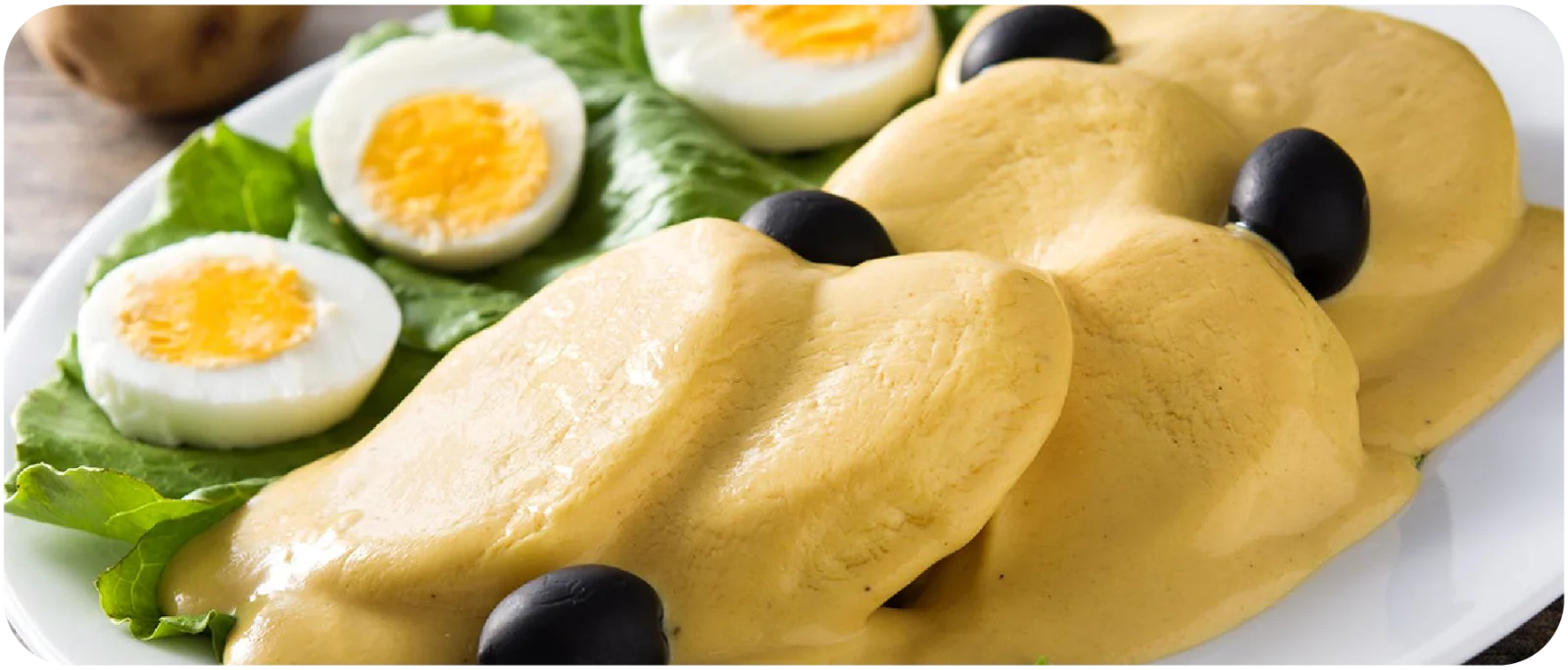
    It’s very likely you’ve heard of Papa a la Huancaina. It is considered one of the most popular dishes in Peru; and although it has no meat in it, it does have a creamy, gooey cheese sauce dripped all it’s boiled potatoes.

    Creating vegan Peruvian recipes can be as simple as preparing a sauce that instead of cheese has seeds, vegetables and other spices. Vegan Papa a la Huancaína has nothing on other decadent, creamy Peruvian dishes! 

    There you have it, some of the most popular vegan Peruvian recipes (that actually turn out to be the most popular Peruvian recipes altogether). Give them a try and make some adjustments to the recipes as you like!


    Vegan Peruvian recipes are some of the most delicious and nutritious you’ll ever taste. These dishes are full of flavor and perfect for anyone looking to create a vegan diet that is both healthy and delicious. Whether you’re new to veganism or want to explore some new recipes, these Vegan Peruvian dishes will be sure to please.

    Check out: Peruvian Food

    Ceviche Recipe 

    In Peru, ceviche is more than a dish – it’s a way of life. This popular seafood dish is made by marinating raw fish in citrus juices, and the acid “cooks” the fish. Ceviche is typically served with fresh herbs, onions, and peppers and is a delicious and healthy appetizer or main course.

    Ceviche is the most popular seafood dish that originates from Peru. The container comprises raw fish or seafood “cooked” by being marinated in citrus juices. Ceviche is served with onions, tomatoes, and sometimes cilantro. It is made by marinating raw fish previously prepared with citrus juices (typically lemon juice and lime), herbs, onions, and peppers.

    Aji de Gallina

    Originating in the Andes Mountains of Peru, Aji de gallina is a spicy chicken dish popular all over South America. The word is made with shredded, cooked chicken mixed with a creamy, yellow sauce made from Peruvian ají Amarillo peppers, milk, Parmesan cheese, and bread crumbs. Aji de gallina is often served with rice and potatoes.

    The Peruvian recipe for aji de gallina is similar to other dishes made from the same ingredients — chicken, cheese, and a creamy sauce. The ajó Amarillo pepper is a scorching chili pepper that grows in the mountains of Peru.


    Check out: INCA’S FOOD AJI MIRASOL 7.5 OZ.

    Papa a la Huancaína 

    Papa a la Huanca is a traditional Peruvian stew with beef heart, tripe, and blood. It is typically served with potatoes, rice, and aji Amarillo sauce. The dish is believed to have originated in the Huanca region of Peru. In the Huanca Region of Peru, the word is “Papa a la Huanca” or “Papa a la Chola.” It is lot to be believed to have originated in the city of Huancayo.

    Benefits of Papa a la Huancaína 

    Papa a la Huanca is a traditional Peruvian dish with boiled potatoes, served with a Huancaína sauce. This dish has many benefits, including high protein and fiber and low fat and calories. Papa a la Huanca is also a great source of vitamins C, B6, and potassium.

    This dish is also made with potatoes and yuca. Huanca na is a typical Peruvian sauce with onion, garlic, chile pepper, and other spices. Huanca na is served with papas a la huanca and other dishes such as ceviche or carne asada.

    Lomo Saltado 

    Lomo saltado is a dish that originated in Peru and is made with sliced beef, onions, tomatoes, and french fries. The meat is usually marinated in soy sauce and garlic before being cooked. The dish is traditionally served with rice and can be garnished with either parsley or cilantro.

    This dish was a staple in my home growing up. I loved it because it was easy to make and cooked in only 20 minutes. My mom would make the beef, add the sauce and cook the onions, then mix everything before throwing in the sliced potatoes and french fries.


    Check out: ARE YOU LOOKING FOR PERUVIAN FOOD NEAR YOU?

    Arroz con Pollo 

    Arroz con pollo is a dish that originated in Spain but has become popular worldwide. It is made with rice, chicken, and vegetables and can be served either as a main course or as a side dish. Arroz con pollo is a healthy, hearty meal that is both easy and affordable to prepare.

    It combines traditional Italian chicken and rice casserole flavors with a few Spanish twists.

    This recipe is vegetarian, so it can be enjoyed by those who follow a vegan diet. It is also gluten-free, but you will need to use gluten-free flour. This dish is also shallow in fat, so it is an excellent option for those on a diet.

  • Are you looking for Peruvian food near you? Kosmos Peru is your answer!

    Are you looking for Peruvian food near you? Kosmos Peru is your answer!

    No one has been able to deny that Peru has delighted us more than once with its incredible dishes, and its cuisine is a source of pride in its culture.

    Their meals stand out for their variety, originality of flavours, and colourful dishes. Its exquisiteness is the result of a fusion of cultures, based on its roots. The history of Peruvian cuisine dates back to the Incas and other pre-Inca cultures with corn, potatoes, and spices.

    Most of its dishes have the presence of various types of chili peppers such as yellow, red, and hot peppers. Later, with the arrival of the Spanish, the use of chicken, pork, and lamb was introduced.

    But this is not all, during the following years, Arabs, Italians, and Japanese have also contributed to Peruvian culinary art. Seafood, fish, and noodles were incorporated to create the most delicious and original dishes.

    Today Peruvian gastronomy is undoubtedly much more than just an art, it is an authentic cultural manifestation, which given its characteristics, has been established as a powerful tourist attraction for the entire country and its people.

    Check out: INCA’S FOOD AJI ROCOTO PEPPER VIDRIO

    This is where the culinary magic begins

    There are hundreds of restaurants that open their doors in the United States inviting us to enjoy their traditional food, as well as locals and street vendors. There is no shortage of options so that you cannot enjoy their dishes.

    Even if you are several kilo-meters from Peru, in the United States you can get the most famous Peruvian food near you and get those products in our store, Kosmos Peru.

    Kosmos Peru is located in the city of Newark, Delaware. The company was formed in 2011 with the main idea of ​​distributing a wide variety of Peruvian food near you and offer products to satisfy the high demand in the market.

    Currently, our store has a delivery service. If you order our products through the website, you will be able to receive your Peruvian food delivery and delight yourself with the cuisine of this great culture of which we are so proud.

    Our company is recognized for its excellent customer and shipping service where our top priority has always been to guarantee a fast and efficient shipment to our customers. Since we opened our doors to the market we always try to provide security, confidence, and warmth to all of our customers.

    These are the products you can find in Kosmos Peru

    Food changes everyone’s spirits and Peruvian cuisine is no exception. The worst days for a Peruvian can be fixed with an appetising stew, that’s why it’s great that you have access to the best Peruvian food near you with the products of.

    Kosmos Peru. A bowl of rice with chicken, some beans with dry or a ceviche, can be the solution to end a gray day. This is the power of Peruvian cuisine, and it has the same effect with a foreign visitor.

    The spirits of the Peruvians improve when they feel the aroma of the delicious dishes. You don’t need to go to a five-star restaurant to enjoy a good plate of food when you have Peruvian food near you. Homemade food or food from the markets can delight even the most demanding palate.

    Our product offering includes sweets, canned goods, drinks, typical frozen and packaged ingredients to prepare your Peruvian dishes with all the traditional flavour, as well as a series of spices, kinds of pasta, and sauces that will help you enhance the flavour of any dish you want to prepare so that it stands out with a different touch!

    With our varied offer of products, you can bring the flavour of the different regions of Peru to your dishes: coast, jungle, and mountains, all those flavours come together, also, in a geographical place with direct access to the Pacific Ocean and its benefits (fish, mollusks, and crustaceans of all kinds) and fertile land with different heights full of variety.

    Check out: INCA’S FOOD OLLUCO PICADO EN LATA

    Peruvian food gives you many possibilities

    On the coast we have the tiradito, the stretcher, and the mussels a la chalaca; in the highlands, the Peruvian Andes, we find potatoes a la huancaína or ocopa; and in the jungle, juane, inchicapi and tacaco with jerky. It doesn’t matter if you don’t know what they are, dare to try them and you’re sure to love them.

    It is no secret to anyone that Peru boasts of its gastronomy. So true is this that an online survey showed that Peruvians feel more identified with their food than with their national symbols.

    And it is that Peru offers everything to make you fall in love: from its impressive landscapes and the wonderful architecture of its ruins to the years of history and influence that they obtained from different parts of the world, and today it is reflected in the variety of its incomparable gastronomy, making it one of the tastiest and internationally recognized.

    Do you dare to prepare a new recipe with an excellent Peruvian touch? In our blog, you can find much more information about the ingredients we offer and various recipes of Peruvian dishes that will become the next protagonists of your table.


    Peruvian cuisine is a mixture of indigenous Andean, Spanish, and African influences that has resulted in a diverse and flavourful cuisine. Dishes can be pretty spicy, but most Peruvians enjoy their food hot and fresh. Here are six essential facts about Peruvian food.

    Peruvian food is often fiery hot due to the addition of chili peppers. Many dishes include potatoes, corn, or quinoa as the main ingredient; these are usually simmered in chicken or beef stock with spices like garlic, cumin, and oregano. Peruvians eat their main meals with aji Amarillo, a yellow paste made from dried and ground chili peppers.

    Aji is usually served as a condiment with dishes like ceviche and anticucho. The most popular meats in Peru are pork, chicken, and beef. Peruvians also eat quinoa (a grain often used as a substitute for rice), beans, corn, and potatoes. Most Peruvian food is prepared with fresh ingredients.

    Check out: INCA’S FOOD HUACATAY – BLACK MINT

    Explain some of the staple foods in Peruvian cuisine. 

    Peruvian cuisine is a great melting pot of flavors and ingredients from all over the world. Staples of Peruvian cuisine include potatoes, corn, and chili peppers. Peruvians also enjoy a wide variety of seafood, including ceviche, a dish made from fresh raw fish cured in citrus juices.

    https://sims4challenges.com/

    Another popular dish is Lomo saltado, strips of beef stir-fried with onions, tomatoes, and fries. Peru is also home to the famous Inca Trail, which leads to the ancient city of Machu Picchu.

    Some popular Peruvian dishes include ceviche, papa a la huancaína, and lomo saltado. Some popular Peruvian dishes include ceviche, papa a la huanca na, and lomo saltado. Peru is also home to the famous Inca Trail, which leads to the ancient city of Machu Picchu.

    Describe some of the tremendous popular dishes in Peruvian cuisine. 

    While Peruvian cuisine has many unique dishes, some of the most popular include ceviche, Lomo saltado, and papa a la huancaína.

    Ceviche is made from fresh raw fish or seafood marinated in lime juice and chili peppers. Lomo saltado is a dish made from beef stir-fried with onions, tomatoes, and Peruvian spices. Papa a la huancaína is a potato dish topped with a creamy sauce made from cheese, milk, and ají Amarillo peppers.

    Check out: PERU FOOD RECIPE: CHUPE DE CAMARONES – SHRIMP SOUP

    List some of the traditional accompaniments to Peruvian dishes.

     Peruvian cuisine is a melting pot of flavors and traditions, with influences from Spain, Italy, China, Japan, and Africa. While the cuisine is diverse, some traditional accompaniments are common to Peruvian dishes. These include white rice, black beans, and corn.

    Additionally, most meals are served with a variety of sauces, including aji Amarillo (a yellow chili pepper sauce), aji panca (a red chili pepper sauce), and huacatay sauce (made with black mint). Some of the more popular dishes include arroz con pollo, a chicken and rice dish; ceviche de Pescado, a fish dish; and antojito, a cold vegetable dish.

  • Best And Unique Peruvian Food Recipe Causa Norteña

    Best And Unique Peruvian Food Recipe Causa Norteña

    Peruvian food is filled with contrasting flavors, exotic ingredients and nutritious elements that create a balanced diet. We can find the perfect example of all this in Peruvian stews, and one delicious stew is the Causa Norteña. This colourful recipe is created with different tubers like potatoes, sweet potatoes and yams, corn and its very characteristic salty fish. 

    Keep reading to find out more about Causa Norteña and the whole recipe to create this delicious dish. 

    What we know about Causa Norteña

    If you’re not familiar with Peruvian gastronomy, we should tell you upfront that Causa is one of the most popular dishes in the country, thanks to potatoes being such an essential food in Peru.

    Causa is so traditional that it even dates back to the 1700’s, and over time many variations of the original recipe was invented according to the ingredients people had at hand.  

    Causa Norteña, also known as Causa Ferreñefana, has been around in the Northern Peruvian region for the last decades, already being a part of the food culture.

    This recipe for Causa Norteña takes about a day and 30 minutes to prepare and another 25 minutes to cook, and with the ingredients provided it should serve for about 4 big portions. 

    You may like: MUST HAVE PERUVIAN CHRISTMAS FOOD

    Ingredients for Causa Norteña

    • 1 large fillet of salty fish or cod fish
    • 1 ½ white potatoes
    • ½ kg of white, large onions (1.1 lb)
    • ½ kg of sweet potatoes or yuca (1.1 lb)
    • ½ kg of yams or camote (1.1 lb)
    • 2 large yellow corn cobs
    • 1 large green plantain banana (boiled)
    • 6 large green peppers
    • 4 large garlic cloves minced or garlic powder (you can get garlic powder here)
    • 1 tablespoon of ají panca paste (you can buy ají panca paste here) (15 ml)
    • 3 tablespoons of vegetable oil (45 ml)
    • 1 cup of white vinegar (235 ml) 
    • Salt to taste
    • Pepper to taste

    Preparation

    • One day before you prepare this recipe for Causa Norteña, take the salty fish fillet and soak it in plenty of water. This will make the fish to lighten its salty taste a bit. 
    • Take the white potatoes and boil them in water until they’re tender enough. Take them out of the water and mash them with a fork until it forms mashed potatoes. Add some pepper, vegetable oil and just a bit of salt, remember the fish by itself is salty enough. 
    • Take the yams and slice them in medium size slices, then put them on a pot filled with water and boil on medium temp. 
    • Take the sweet potatoes and slice them in medium size slices, put them on the same pot where the yams are and let them cook.
    • Take the green plantain and slice it in medium size slices, put them on the same pot where the other ingredients are to cook.
    • Cut the yellow corn cobs in 1” pieces and toss the corn pieces into the same pot to cook until they become tender. 
    • Chop the white onion in thick pieces.
    • Prepare a dressing using the white onion pieces, the garlic either minced or in powder, ají panca paste, vinegar and some pepper. 
    • After soaking for a day, take the salty fish fillet and cook it on water. When the fish is done take a medium skillet and pour vegetable oil, set on high temp. Fry the fish for a couple of minutes.
    • When the fish is starting to fry, add the seasonings you made with onion, garlic, ají panca, etc.
    • To serve, place a bed of mashed potatoes in the center of a plate, and then carefully place the salty fish fillet along with the onion sauce. 

    You may like: WHAT YOU SHOULD KNOW ABOUT HUACATAY

    You can enjoy your Causa Norteña with side dishes you prepared with sweet potatoes, yams, corn pieces and green plantains sliced and boiled.

    The ingredients mentioned above are part of the classic recipe, and if you want extra flavor you can also boil some eggs or even pour some fresh olives on your dish.

    The strong taste of all the ingredients is a delicacy that needs to be shared with friends and family on a filling dinner. 

    If you enjoy complex recipes with exotic flavors you have to prepare this recipe, it will wow everyone who tries it and it will leave you wanting more Peruvian food!

    Read More: WE DRINK PINEAPPLE QUINOA DRINK

  • Delicious Peruvian Recipe Tacu tacu

    Delicious Peruvian Recipe Tacu tacu

    With the stress of daily routine, there’s not always time to have a complete and good-looking meal, but you desperately try not to fall in the “fast food trap”.

    If you’re looking for something that’ll take you no time to cook and with ingredients that are very easy to find, Tacu tacu is the answer to your problems. 


    Where does Tacu tacu come from?

    Tacu tacu actually has a pretty interesting story that reminds us how a country’s gastronomy is always defined firstly by the people’s way of living.

    Supposedly, Tacu tacu has its origin in the humblest regions of the country, where people (mainly of African descent) would take all their leftovers and mash them together so that nothing went to waste.

    This meal looks like a big tamale or maybe a pancake, and even though it’s considered a ‘last minute idea’ recipe it is beloved by Peruvian culture. 


    One of the main things to remember when making Tacu tacu, is that the ingredients will have better adhesion if they are at least a few hours ‘old’.

    This means you can cook them ahead even a couple of days before so that they’ll ‘stick together’ nicely when mashing them up.


    Be patient when making this meal because it takes a little practice to get them in the right consistency, but when you master it, it will be totally worth it.

    Keep reading to learn this easy recipe that will take you no longer than an hour to make. This Tacu tacu recipe serves roughly 2-4 portions. 

    Ingredients for Tacu tacu

    • 2 cups of Lima beans, canary beans or pinto beans. They must be cooked, drained and slightly stir-fried. You can get beans here. 
    • 2 cups of white rice, steamed or cooked. You can get the rice here. 
    • 1 medium red or yellow onion, finely chopped.
    • 2 garlic cloves, finely chopped or minced. You can also use garlic paste like this one. 
    • 1 tablespoon of ají amarillo chopped. You can also use ají amarillo paste like this one.
    •  3 tablespoons of vegetable or canola oil.
    • 3 tablespoons of olive oil. 
    • ½ teaspoon of dried oregano.
    • ½ cu of water or chicken stock.
    • Ham concentrate.
    • Salt to taste.
    • Pepper to taste. 

    Preparation

    • Place a pan with a bit of vegetable oil and put it on medium heat. After mincing or chopping  the onion, throw it and caramelize it for about three minutes. 
    • Add garlic or garlic paste, oregano and the ají amarillo paste and let cook for 5 minutes or until the onion is done. 
    • Rinse and cook the beans with water or a little chicken stock for 5 minutes. Once the beans are done mash them with a potato masher and form a paste with it. 
    • Add the ham concentrate and the rest of the seasonings to the garlic and onion mix. Stir constantly and let it slowly form an even paste. 
    • In a separate pan, cook the rice or steam it. Once the rice is done combine it with the mashed beans and mix them until it looks uniform.


    •  Add the sauteed mix to the rice and bean mixture and mix well. Add olive oil to the pan once again and turn the heat on medium. 
    • Pat the mix and shape it by hand, creating big portions like pancakes. A recommended size is 5 inches diameter. 
    • Take each one of the portions or pancakes and place them on the pan on medium heat, moving them constantly. Remember to flip the pancake after 2 minutes or when you see the sides slightly brown colored but the insides or the center part still looks ‘mushy’. 
    • Serve them over a bed of steamed rice with the brownest side up. You can drizzle them with Creole sauce or olive oil and with a side of fried egg or fried bananas.


    Tacu tacu can be served by its own like a quick and filling lunch or it can be a side dish of plates like fried fish, seared steak, fried eggs or eggplant.


    You can also play with the toppings of this dish, trying sauces like ají amarillo sauce (which you can get here). Don’t be afraid to play with the ingredients, remember that’s exactly how this meal was born!

  • Peruvian Recipe Pan de Anís (Anise Bread Rolls)

    Peruvian Recipe Pan de Anís (Anise Bread Rolls)

    When we think of Peruvian food, we think of steamy soups and filling stews or meaty dishes; but the truth is there’s much more you can find in this amazing country.


    It may surprise you but Peru has delicious recipes of bread that you can easily make at home and enjoy with your family or friends.


    Pan de Anís is a very popular snack or side dish with strong family connections and here’s why. 

    Read More: BEST AND UNIQUE PERUVIAN FOOD RECIPE CAUSA NORTEÑA

    Pan de Anís to feed your soul 

    If there’s one thing that brings us back to our childhood is food, and remembering grandma or mom in the kitchen cooking a delicious batch of Pan de Anís is a feeling everyone will try to replicate.

    That’s why we bring you an easy recipe for anise bread rolls, this recipe has a preparation time of 3 hours and a cooking time of just 30 minutes. It serves about 25 rolls. 

    Ingredients for Pan de Anís

    • 1 ½ (1 oz) tablespoons of anise seeds. 
    • 1 ½ (6.75 oz) cups of water. 
    • 1 ½ (.25 oz) teaspoons of yeast.
    • ⅓ (1.5 oz) cups of white sugar.
    • ¼ (1.13 oz) cup of vegetable oil. (You can also use butter)
    • 2 ¾ (12.3 oz) cups of bread flour.
    • 2 (9 oz) cups of all-purpose flour.
    • 1 ½ (.25 oz) teaspoons of salt. 
    • 1 large egg.
    • 1 (.5 oz) tablespoon of water. 

    Preparation

    • Take a small pot and fill it with the 1 ½ cups of water. Place the anise seeds inside and turn on low heat. Once the water is boiling, remove the pot from the heat, cover and let cool until it’s lukewarm. 
    • Take a bowl that can work with a mixer and add the 1 ½ teaspoons of yeast, the ⅓ cups of white sugar and anise seed water that you just boiled including the seeds. Let everything rest in the bowl for about 5 minutes. 
    • Add 2 cups of all-purpose flour, the ¼ cups of vegetable oil or melted butter and the 1 ½ teaspoons of salt to the bowl from the previous step and start mixing on low speed until the ingredients are well blended. If your mixer has a dough hook attachment it’s best that you use it. 
    • While mixing, slowly add the 2 ¾ cups of bread flour to the bowl, and continue to knead. 
    • Knead the dough for another 5 minutes (if you don’t have the dough hook attachment you can knead by hand) until the dough is smooth, elastic and it pulls away smoothly from the sides of the bowl. If you notice the dough is still a little sticky, add a couple more tablespoons of all-purpose flour. 
    • Take the dough from the bowl and place it in another oiled bowl. Let the dough rise for approximately one hour.
    • Punch down the dough and start separating it into golf ball sized pieces, it should be about 1.2 oz per piece. Roll each of the pieces into a ball, cover them with plastic wrap and let them rest for about 5 minutes. 
    • Flatten each of the dough balls into a slightly oval shape using a rolling pin. Each piece should be about 3 inches wide and 4 or 5 inches long. Roll the dough up into a spiral starting from one of the ends of the oval. Place the rolls on a baking sheet. 
    • Preheat your oven to 375 degrees (high temp). Take a small bowl or plate and crack the egg. Mix the egg with 1 tablespoon of water and when it’s completely mixed bush the tops and sides of the dough rolls with the egg mixture. Let the dough rolls rise in a warm place for about half an hour. 


    • Place the dough rolls cooking sheet in the oven and bake them for 12 to 25 minutes or until they are golden brown and soft but crispy. Once they’re out let them cool down for 10 minutes, serve warm or at room temperature. 


    Check out: NOUGAT SAN JOSE – TURRON 500 GR.

    Once you Pan de Anís rolls are ready, you can serve them as a side dish of a hearty meal, as a snack or even for breakfast with a fresh fruit jam.

    This sweet bread is best accompanied by coffee, tea or milk, so it’s perfect to serve to family and kids. What are you waiting to try this amazing recipe? 


  • Recipe: Mondonguito a la Italiana

    Recipe: Mondonguito a la Italiana

    There are meals that were created to be enjoyed in a family setting, when the table is full and the noise is loud.


    Peruvian food has hundreds of recipes that describe this feeling perfectly.

    A very popular recipe is Mondonguito a la Italiana, which can be considered by many a variation of the traditional Peruvian Cau Cau. (You can learn this recipe here)  

    Check out: LOS ANDES FOODS TEQUEÑOS STD P.C. 12 UNID

    The origin of Mondonguito a la Italiana

    Like many recipes in modern Peruvian cuisine, Mondonguito a la Italiana has its beginnings thanks to immigrants.

    In the late XIX Century, Italians arrived at Peru and started spreading some of their most popular dishes; but they had to adapt to what they could find.

    This resulted in meals such as the one you’ll learn to cook here. 

    This recipe has a preparation time of 25 minutes and a cooking time of approximately an hour, and it serves 6 portions. 

    Ingredients for Mondonguito a la Italiana

    • ½ kg of Mondonguito beef (tripes and stomach in cubes) (1 pound approx) 
    • 200 gr. of green peas, washed (7 oz approx)
    • 1 kg of medium size white potatoes, washed and skinless, ready to fry 


    • 1 large raw carrot
    • 1 big red tomato, skinless
    • 1 big onion, raw
    • 2 tablespoons of minced garlic cloves or garlic powder (you can get it here.
    • 2 tablespoons of vegetable oil or olive oil
    • 1 laurel leaf (optional for decoration)
    • Parmesan grated cheese to taste
    • Salt to taste
    • Pepper to taste
    • White, fluffy cooked rice as a side dish 

    Preparation

    • The first and probably most important step of this recipe is to wash the Mondonguito thoroughly scraping with a knife all of the excess sebum you find in the beef.
    • Once the Mondonguito is clean take a large pot and place it inside with plenty of water and salt. Bring the pot to a boil and turn down the heat when the meat is soft but it doesn’t shred apart easily. 


    • Take the Mondonguito out off the pot and slice it 2 inch pieces. Place the pieces in a bowl and set aside. 
    • Take a medium size pot with water and salt and bring it to a boil, then add the carrots and peas and let it pre-cook for 20 minutes. After this, stir the vegetables and rinse them with cold water. 
    • Cut the carrot in julienne and set aside in a bowl along with the green peas. 
    • Take the potatoes, washed and skinned, and chop them in long and thin pieces. Place them in a bowl full of cold water until it’s time to fry them. 
    • Take the tomato and onion and cut them julienne (from the longest side).
    • Take a large skillet and pour vegetable oil or olive oil, put it on high heat for about a minute.
    • When the skillet is hot, place the onion finely chopped and the garlic minced or garlic paste. Wait until the onion turns transparent and then add the tomato, the Mondonguito beef and the laurel leaf, along with salt and pepper to taste. Let the mix fry up for a couple of minutes. 
    • Add the carrots and green peas. Add just a bit of water to the skillet to cover the ingredients. Cover up the skillet and let it on medium heat and check regularly so that the mix doesn’t dry up. The dish must have just a bit of juice. 
    • Take a medium skillet and pour vegetable oil or olive oil on high heat, pour the potato slices to fry them. Place them over a paper towel to absorb the grease. 
    • Check the meal’s flavor and add more seasoning if necessary. Turn off the fire and add the potatoes. Let the mix sit for a while so that the potatoes absorb the flavor.     

    Check out: KOSMOS GOURMET PANCA PEPPER PASTE

    One of the most classic ways to accompany the Mondonguito a la Italiana is with a side of white, fluffy rice.

    You can even place a bed of rice and then add the Mondonguito on top for a more gourmet presentation.

    To top this meal, just sprinkle as much grated Parmesan cheese as you like and let it melt with the heat of the dish. 


    This recipe is perfect for a family gathering, with the delicious ingredients and an unexpected Italian twist you’ll charm everyone who tries it. 


  • Recipe: Arroz Chaufa Charapa

    Recipe: Arroz Chaufa Charapa

    Peruvian food is a wonderful combination of local ingredients and international food that came along with different cultures. One of the most influential cuisines for Peru for the past 100+ years has been the Asian cuisine.


    There are hundreds of dishes that can be considered adaptations of Chinese gastronomy, and many popularly known Peruvian recipes would’ve never happened if it weren’t for Chinese culture and ingredients. 

    One of the most delicious merges is the Arroz Chaufa Charapa, a smoky and strong flavored dish. This recipe is a variation of the traditional Arroz Chaufa with exotic ingredients such as cecina (dried pork) and Amazonian chorizo.


    Keep reading to learn how to make this delicacy and wow your guests on your next dinner.

    Check out: ALACENA CHILI PEPPER CREAM TARI

    The History of Arroz Chaufa Charapa

    An interesting fact about this recipe is that its name actually comes from a mispronunciation of the Chinese word chǎofàn, which is actually the meal Arroz Chaufa takes its inspiration from.

    With the arrival of Chinese immigrants came many of the main ingredient of this recipe, such as ginger, soy sauce and of course the Chinese onion.  

    To cook a tasty Arroz Chaufa Charapa you’ll need a large skillet (if you have a wok type of skillet it’s even better), the preparation time is 15 minutes and cooking time 20 minutes, and this recipe serves 6 portions. 


    Ingredients for Arroz Chaufa Charapa

    • 4 cups of white fluffy rice, rinsed and ready for cooking
    • 400 gr of pork dried meat (cecina) (14 oz approx)
    • 400 gr of Amazonian chorizo (pork sausage) (14 oz approx)
    • 4 large eggs
    • 2 tablespoons of Sillao Kikko soy sauce (you can find it here)
    • 1 teaspoon of kion ginger, grated or chopped finely
    • 2 cups of Chinese onion finely chopped
    • 1 tablespoon of sesame oil
    • 2 tablespoons of vegetable oil or olive oil
    • 4 large green, ripe bananas (keep in mind that these are not regular bananas, look for the plantain type)
    • Salt to taste
    • Pepper to taste

    Check out: INCA’S FOOD YELLOW HOT PEPPER

    Preparation

    • Chop the pork dried meat or cecina into small square pieces. Slice the Amazonian chorizo in 1 cm thick slices and chop the Chinese onion as finely as you can.
    • Crack the eggs in a bowl and mix them well using a fork, season with salt and pepper to taste and set aside.
    • Rinse and cook the white rice, trying to leave it as fluffy and firm as you can.
    • Take a large skillet, add 1 tablespoon of vegetable oil or olive oil and put on medium heat. Once the skillet is hot enough throw the Amazonian chorizo slices, letting it fry and release its natural grease for about a minute.
    • Add the pork dried meat (cecina) and fry for another 4 minutes until it turns a golden brown color. Take the meat from skillet and set aside. 
    •  Using the same skillet add more oil and add the eggs. Use a spatula to scramble the egg in pieces as small as you can manage. Once the egg is done take it from skillet and set aside.
    • Again take the same skillet and pour the remainders of the olive oil or vegetable oil and all of the sesame oil and let it heat well. Pour the kion ginger grated or chopped and a few seconds later add the white rice and the Sillao Kikko soy sauce.


    • Fry the mix for a few minutes constantly stirring to avoid the rice from sticking to the skillet and to make sure all of the flavors left in the skillet are properly absorbed by it. 
    • Once the rice looks brown from completely absorbing the Sillao Kikko soy sauce, add the pork dried meat or cecina, the Amazonian chorizo slices and the egg. Stir well and check the flavor, if you feel something is missing season to taste.
    • Take the skillet from the fire, add the chopped Chinese onion and stir well one last time. Let the dish rest for a couple of minutes before serving.  


    The best way to serve Arroz Chaufa Charapa is to peel and slice the plantain bananas and fry them a bit in a medium skillet with vegetable oil. The flavor of your dish will be uplifted by the surprising flavor of the bananas on the side, on top or even on a separate plate. 

    Read More: RECIPE: MONDONGUITO A LA ITALIANA


  • Recipe: Peruvian Cuy (Guinea Pig)

    Recipe: Peruvian Cuy (Guinea Pig)

    Coming right from the Andean region of the country, there’s a quirky dish with a huge Afro-Peruvian influence.

    And although it’s a recipe that can also be found in countries like Ecuador, Colombia and Bolivia, Peruvian cuy is a culinary delicacy ready to be enjoyed.

    With its soft texture and spicy texture, guinea pig is very high in protein and low in fat and cholesterol; it has a flavor similar to rabbit. 


    Peruvian cuy (which by the way is named after the sound the animal makes: “kwee”) can be cooked in two different ways:

    Cuy chactado, which means deep-fried with spices; and cuy al horno, which is roasted and served on a stick. We will concentrate on the most known Peruvian cuy chactado. 


    Check out: LOS ANDES FOODS TEQUEÑOS STD P.C. 12 UNID.

    Why is Peruvian cuy so popular?

    You might be wondering “Why do people enjoy Peruvian cuy so much? What is so special about it?” and well, we know it’s hard to understand how this tiny animal can become your meal. 

    Like any other country, Peru has some super exotic dishes that might not be as common as the rest, but it’s still a part of its culture. 

    Peruvian cuy or guinea pig is a meal that is cooked, served and enjoyed mostly on special occasions, or in fancy restaurants ready for adventurous eaters out there.

    If you consider yourself one of those people, keep reading to learn the recipe for Peruvian cuy, a dish typically served with salad and its traditional potatoes. 


    Ingredients for Peruvian Cuy

    • 4 large cuys (also called guinea pigs)
    • 1 clove of garlic full or one tablespoon minced or chopped garlic
    • 2 green or yellow peppers
    • 2 tablespoons of ají panca paste. (You can find it here)
    • 2 tablespoons of ají amarillo paste. (You can find it here)
    • 8 big yellow potatoes boiled and skinned
    • Guinea pigs’ hearts, livers, thoroughly cleaned. (Some recipes also use the cuy’s intestines)
    • 4 hard-boiled eggs
    • 10 scallions
    • 1 tablespoon of crushed and roasted peanuts
    • 1 cup of cooking vegetable oil or margarine
    • 1 ½ teaspoons of cumin powder
    • 1 ½ teaspoon of salt

    Preparation

    • Take the Peruvian cuy or guinea pigs and cut them or quarter them with a big knife. Some people prefer to serve it complete, it’s up to you. Add salt, pepper, cumin and pepper to season the meat. Let it rest for a while.
    • Put some vegetable oil in a pan and turn the fire on high. Put the guinea pig pieces in and fry them until they turn a golden brown color and reach a crispy but not hard texture. Place the meat aside in a warm plate. 
    • In a separate pot, boil the potatoes and peel them. 
    • Take a big skillet and add a bit of vegetable oil. Put the garlic, ají panca, ají amarillo, peppers over high heat and let it cook for a couple of minutes, maximum 5 minutes.
    • Make sure to never stop mixing and scraping the mix to stop it from sticking to the skillet. The mix should reach a nice golden brown color. Set them aside and leave the skillet free for later.
    • Chop the scallions, separating the white bulbs from the green stalks.
    • Add the scallions finely chopped into the skillet with some more cumin.
    • In a separate pan with a bit of oil, place the hearts and livers of the guinea pigs with crushed peanuts. When the meat is fully cooked place it in a food processor or blender and liquefy it. 
    • Take this liver and hearts mix and combine it with the garlic, ají and peppers mix in the skillet once more. 
    • Take the boiled and peeled potatoes and slice them in thick slices. Place them over the plate like a bed. 
    • Placed the cooked (fried) Peruvian cuy in pieces over the bed of sliced potatoes. Drizzle the sauce over the meat and potatoes.
    • Let the dish rest for 10 minutes and serve.


    Check out: INCA’S FOOD CANNED YELLOW HOT PEPPER


    Who said you need to travel the world to try the most amazing and exotic dishes? Gather your ingredients, follow our recipe and enjoy this mouth-watering Peruvian dish on a family dinner. Discover the truly delicious taste that Peruvian cuy hides in every bite.


  • Best Peruvian Recipe Tallarines Rojos con Pollo

    Best Peruvian Recipe Tallarines Rojos con Pollo

    Peru’s food and drinks are among the most delicious and rewarding reasons to travel to South America.Food memories last the longest for us. So while eating our way across Peru, we came across a fantastic array of interesting Peru foods in my head when I sat at my computer, writing this blog.

    Explore the food of Peru here, and you’ll want to plan a trip today to enjoy a culinary journey to the center of South America. Be careful if you’re hungry; you might end this session with a ticket to the airport in your pocket to take you from wherever you are to Peru, where you will be able to experience the culinary scenes in Lima as well as Cusco in your way.

    Pastas are dishes perfect to share with friends and family, they are super filling and a very balanced combination of all the main food groups. On this occasion we’ll talk about the Tallarines Rojos con Pollo, a delicious flat pasta combined with a Peruvian-inspired sauce and full pieces of chicken. 

    Visit Sims 4 challenges 

    The origin of Tallarines rojos con Pollo

    One of the most important things you should know about Peruvian food is how it has been influenced by several cultures from all over the world.

    Tallarines rojos con pollo, in particular, are influenced by the Italian cuisine. We can see this of course in the pasta, which is a traditional meal enjoyed in this European country.

    However, Peruvians gave this dish an exotic spin with ingredients such as carrots, garlic, ají panca paste and tomatoes. 

    If you want to learn how to cook this dish keep reading! The preparation time for Tallarines rojos con pollo is 15 minutes and the cooking time is about 50 minutes, it serves roughly 6 well served portions. 


    Ingredients for Tallarines Rojos con Pollo

    • 500 gr of long, flat noodles, thick or thin (1.1 lb)
    • 5 large-sized tomatoes
    • 3 large-sized red onions
    • 2 medium-sized carrots
    • 8 pieces of chicken with skin 
    • 3 tablespoons of garlic paste (you can buy garlic paste here)(1.5 oz)
    • 5 tablespoons of ají panca paste (you can get ají panca paste here) (2.5 oz)
    • 250 gr of small sized mushrooms (8.8 oz)
    • ½ cup of vegetable oil (240 ml)
    • Laurel, cumin and oregano leaves to taste
    • Salt to taste
    • Pepper to taste


    Preparation

    • First step is to marinate the chicken pieces. Season them with salt, pepper, 2 tablespoons of garlic paste and 2 tablespoons of ají panca paste. Let macerate for about half an hour. 
    • While the chicken is marinating, grate the 2 carrots. Set the grating aside and store. 
    • Take a large skillet and add some vegetable oil, turn the heat high. Put the chicken pieces in and fry them. Take out all the pieces and set them aside. 
    • Using the same skillet, pour a bit more vegetable oil and add the red onions, which must be blended and turned into a paste. When the red onions paste is fried, add a tablespoon of garlic paste and the 3 remaining tablespoon of ají panca. Mix the ingredients well and let cook for a couple of minutes. 
    • Blend the 5 large tomatoes and add them to the skillet to fry. Check the flavor and add salt, pepper and cumin to taste. Let cook for 5 minutes. 
    • Add the grated carrot to the skillet, turn the heat down and let cook for another 5 minutes. 

    zzzzzzzzzzzzzzzzzzz

    • Take a large pot and fill it with water, turn the heat high. Once the water is boiling put the noodles in and cook them until they’re al dente or firm. 
    • Once the sauce from the skillet has reduced, it’s time to add the chicken pieces. Turn the heat low and cover the skillet, if needed, add some water or chicken broth. Add the laurel leaves finely chopped and the small mushrooms. Cook for 10 minutes. 
    • Check the noodles constantly and stir softly, careful not to break them.  Once they’re done, strain them and add a bit of oil and part of the sauce, so that they start impregnating with the flavor and color. Check the flavor and correct if needed. 
    • The best way to serve it is take a deep and large plate and add a serving of noodles, on top of it place a piece of chicken and add sauce to taste. Add some oregano powder or chopped leaves and your Tallarines rojos con Pollo are ready to be enjoyed.  

    If you want to enjoy your Tallarines rojos con Pollo like a true Peruvian family would on their table, the perfect side dish are papas a la huancaína. Check the full recipe for Papas a la Huancaína here. 

    There are some variations of this recipe you can try, for example if you prefer to use tomato sauce to skip a few steps of the process it works just fine. Also, if you consider yourself a meat lover you can use beef instead of chicken, just be sure to adjust the temperatures and of the meat cooking. 


    Since pastas are food that everybody seems to love, Tallarines rojos con pollo is the perfect recipe to make to your kids if they have a hard time finding food they enjoy and that is also healthy. What are you waiting for?