Author: admin

  • Peruvian Christmas Food: 7 Traditional Dishes You Must Try

    Peruvian Christmas Food: 7 Traditional Dishes You Must Try

    Peru, like many Latin American countries, celebrates Christmas with deep devotion, joyful traditions, and of course, an unforgettable feast. Since Christianity is the main religion practiced across the country, Christmas is one of the most important holidays of the year in Peru.

    For Peruvian families, Christmas is not only about decorations, gifts, and prayers. It is also about gathering together on the night of December 24th to share a rich and abundant dinner before midnight. Once the clock strikes twelve, families hug each other, exchange presents, say prayers, and celebrate the birth of Jesus with warmth and gratitude.

    One of the most special parts of this celebration is the food. A traditional Peruvian Christmas dinner table is filled with comforting, flavorful, and festive dishes that blend local ingredients with influences from Spain, Italy, France, Africa, and even China. This mix of cultures has helped shape Peru into one of the most exciting food destinations in the world, and Christmas dinner is one of the best examples of that culinary richness.

    If you want to discover the most popular Peruvian Christmas food and the dishes that make this holiday so special, keep reading.

    What Is Traditional Peruvian Christmas Food?

    Traditional Peruvian Christmas food is a delicious combination of savory main dishes, creamy side dishes, sweet breads, desserts, and warm drinks. Most families prepare a large dinner on Christmas Eve, often centered around roasted turkey or another festive meat, accompanied by purees, salads, rice dishes, panettone, and hot chocolate.

    What makes Christmas food in Peru unique is the way international holiday classics are adapted using Peruvian tastes, ingredients, and cooking traditions. The result is a holiday menu that feels both familiar and distinct.

    Why Food Is So Important at Christmas in Peru

    Christmas in Peru is a family-centered celebration. Relatives gather at home late in the evening, often staying up until midnight to celebrate together. While many countries focus their big meal on December 25th, in Peru the main Christmas feast usually happens on the night of December 24th.

    Food plays a central role in the celebration because it brings everyone together. The preparation itself is often a family activity, with different relatives helping in the kitchen, setting the table, and preparing recipes that may have been passed down for generations.

    The meal is meant to feel generous, festive, and comforting. It is a time to serve dishes that are rich, flavorful, and made with care.

    Stuffed Turkey: The Star of the Peruvian Christmas Table

    When people think of Peruvian Christmas food, stuffed turkey is usually the first dish that comes to mind. Turkey has become the centerpiece of many Christmas dinners in Peru, just as it has in other parts of the world. However, the Peruvian version often includes local seasonings and ingredients that give it a distinctive flavor.

    Peruvian-style stuffed turkey may be seasoned with ingredients such as garlic paste, orange juice, pisco, soy sauce, pepper, cumin, and other spices. These ingredients help create a juicy, flavorful bird with a golden roasted finish. Some families stuff the turkey with seasoned bread, ground meat, vegetables, or fruit, while others prefer to serve the stuffing separately.

    The turkey is often roasted slowly to allow the flavors to fully develop, making it the highlight of the Christmas Eve dinner.

    Apple Puree: A Classic Sweet Side Dish

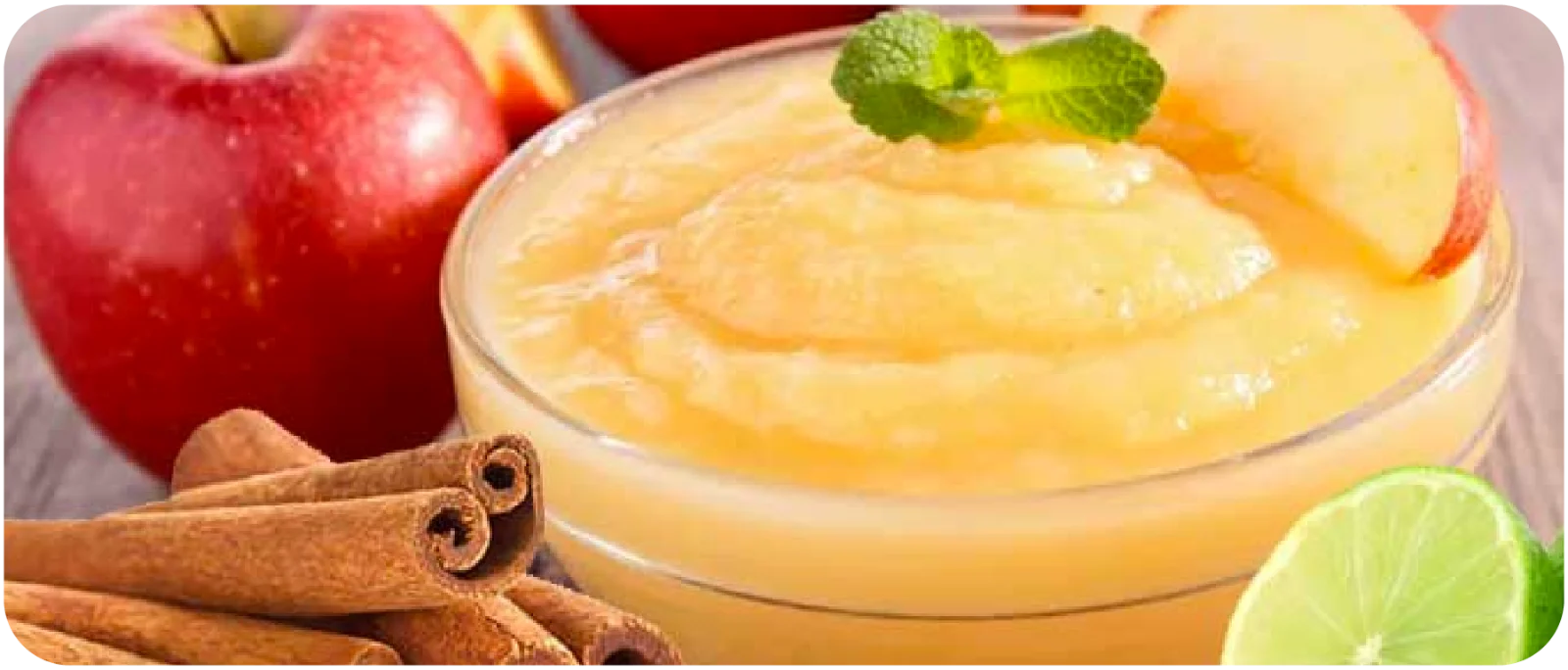
    Apple puree is one of the most traditional side dishes served with Christmas turkey in Peru. Its natural sweetness balances the rich, savory flavor of roasted meat and adds a soft, smooth texture to the meal.

    This puree is usually made with green apples, butter, cinnamon, and sometimes a bit of sugar, depending on the sweetness of the fruit. It is one of those side dishes that many people associate specifically with Christmas, making it feel extra special during the holiday season.

    How to Make Apple Puree

    Apple puree can be made by steaming, baking, or simmering apples on the stove. A simple stovetop method works very well.

    Start by peeling, coring, and cutting the apples into chunks. Place them in a pot with a small amount of water so they can soften gently. Add cinnamon if desired, then cover and simmer for about 15 minutes or until the apples become tender and begin to fall apart. Once cooked, blend them in a food processor or mash them with a fork or potato masher if you prefer a thicker texture.

    Tips for Better Apple Puree

    The type of apple you choose matters. Softer and naturally sweeter apples usually work best for puree. Popular options include Fuji, Golden Delicious, McIntosh, Royal Gala, and Pink Lady.

    You can also customize the flavor with spices such as cinnamon, ginger, vanilla, or star anise. Many people skip added sugar if the apples are already sweet enough, especially when making puree for children.

    Sweet Potato Puree: Creamy, Comforting, and Festive

    Another popular side dish in a Peruvian Christmas dinner is sweet potato puree. If a family wants more variety on the table, or if they prefer a buffet-style dinner, this dish is often included alongside apple puree or in its place.

    Sweet potato puree is creamy, mildly sweet, and incredibly comforting. It is typically prepared with sweet potatoes, butter, sugar, cinnamon, nutmeg, and sometimes orange juice for extra brightness.

    This dish pairs beautifully with turkey and other roasted meats, adding warmth and richness to the holiday meal.

    How to Make Sweet Potato Puree

    To prepare sweet potato puree, peel and cube the sweet potatoes, then steam, boil, or bake them until very soft. Once cooked, blend them in a food processor or mash them until smooth. Add butter, cinnamon, nutmeg, and a little sugar if desired.

    Steaming is often preferred because it preserves both flavor and texture. However, baking can also deepen the sweetness of the potatoes and create a richer taste.

    Storage Tips

    Sweet potato puree stores well in the refrigerator for up to five days. It can also be frozen for several months in an airtight container, making it a practical make-ahead option during the busy holiday season.

    Christmas Salad: A Fresh Balance to a Rich Meal

    A traditional Peruvian Christmas dinner is often rich and hearty, so a fresh salad helps balance the table. One of the most common options is a festive Christmas salad made with fruits, vegetables, and a creamy dressing.

    This salad may include cabbage, carrots, apples, grapes, pineapple, almonds, walnuts, and yogurt or cream-based dressing. The mix of crunchy, sweet, and creamy textures makes it both refreshing and satisfying.

    What makes this salad special is its contrast. It cuts through the heaviness of the turkey, rice, and purees while still feeling festive enough for a holiday meal.

    Christmas Rice: A Flavorful Holiday Favorite

    Christmas rice is another beloved holiday dish in Peru. Though it may sound simple, it is packed with ingredients that give it a rich and celebratory feel.

    This rice dish is commonly prepared with bacon, onion, garlic, cinnamon, nuts such as almonds or pecans, spinach, and colorful peppers. The combination creates a fragrant, savory side that complements roasted meats extremely well.

    Many families look forward to Christmas rice every year because it is not a dish they prepare regularly. It feels special, seasonal, and deeply connected to the holiday atmosphere.

    Panettone: The Sweet Bread Peru Loves at Christmas

    No article about Peruvian Christmas food would be complete without mentioning panettone. Originally from Italy, panettone became deeply rooted in Peruvian Christmas tradition and is now one of the most iconic holiday foods in the country.

    Panettone is a tall, soft sweet bread usually filled with raisins, candied fruit, or dried fruit. It has a light, fluffy texture and a gentle sweetness that makes it perfect for sharing with family and friends.

    Although it is strongly associated with Christmas, many Peruvians enjoy panettone beyond the holiday season as well. During December, however, it becomes almost essential. It is commonly gifted, served at family gatherings, and paired with hot chocolate.

    Tips for Making Panettone

    Making panettone at home requires patience and planning. Since it is a yeast-based bread, the dough needs enough time to rise properly. Measuring ingredients carefully, organizing everything in advance, and following a clear timeline can help make the process easier.

    If you are baking panettone from scratch, it helps to prepare all ingredients ahead of time and work step by step. This bread may take time, but the result is worth it.

    How to Serve and Store Panettone

    Panettone can be sliced thick or thin depending on preference. It is usually served plain, though some people enjoy it lightly toasted or with butter.

    To store it, let it cool completely and wrap it tightly. It can stay fresh for several days at room temperature and can also be frozen for later use.

    Hot Chocolate: The Perfect Christmas Pairing

    In Peru, one of the most cherished Christmas traditions is enjoying a slice of panettone with a hot cup of chocolate. While hot chocolate is not exclusive to Peru, the local cocoa gives it a rich and intense flavor that makes it especially memorable.

    This pairing is a classic part of Christmas Eve and Christmas morning. The warm drink and sweet bread create a comforting combination that many Peruvians associate with family, celebration, and holiday nostalgia.

    Hot chocolate in Peru is often prepared thick, aromatic, and deeply satisfying, making it the perfect finishing touch to a festive meal.

    Other Foods You May Find on a Peruvian Christmas Table

    Although turkey is the most common centerpiece, Christmas menus in Peru can vary from family to family and region to region. Some households may serve roast pork, baked chicken, tamales, or other side dishes depending on local customs and personal preference.

    Desserts and sweets may also appear on the table, especially if the family enjoys a longer late-night celebration. Nuts, candies, fruit, and baked goods are commonly shared after dinner.

    This variety is part of what makes Peruvian Christmas food so special. Each family keeps its own traditions while still honoring the larger spirit of the holiday.

    Peruvian Christmas Food and Cultural Influence

    Peruvian cuisine is famous for its fusion of cultures, and Christmas food reflects that beautifully. The roasted turkey shows European influence. Panettone comes from Italy. Hot chocolate connects to both global holiday traditions and Peru’s own cacao heritage. Ingredients like soy sauce reveal Asian influence, while local fruits, potatoes, and spices keep the dishes rooted in Peruvian identity.

    That blend of cultures is one reason Peru’s holiday food feels so unique. It is festive, comforting, and full of flavor, but it also tells a deeper story about the country’s history and diversity.

    Why You Should Try Peruvian Christmas Food

    Trying Peruvian Christmas food is a wonderful way to experience a different side of holiday tradition. These dishes are not only delicious, but they also reflect togetherness, celebration, and cultural richness.

    Whether you are interested in the roasted turkey, curious about apple and sweet potato purees, or excited to taste panettone with hot chocolate, a Peruvian Christmas menu offers something memorable for everyone.

    It is the kind of meal that leaves you with a full stomach, a warm heart, and a deeper appreciation for how different cultures celebrate the most wonderful time of the year.

    Final Thoughts

    Christmas in Peru is a beautiful celebration of faith, family, and food. From the savory stuffed turkey to the sweet comfort of panettone and hot chocolate, every dish adds something meaningful to the holiday table.

    If you want to add a new culinary tradition to your holiday celebrations, Peruvian Christmas recipes are a wonderful place to start. They are flavorful, festive, and deeply rooted in family tradition.

    By bringing these dishes to your own table, you are not only trying something delicious, but also embracing a holiday experience that is rich in warmth, culture, and joy.

    FAQs About Peruvian Christmas Food

    1. What food do Peruvians eat on Christmas?
    Peruvians usually eat stuffed turkey, apple puree, sweet potato puree, Christmas salad, Christmas rice, panettone, and hot chocolate during Christmas celebrations. These dishes are especially popular on Christmas Eve.

    2. What is the most popular Peruvian Christmas food?
    Stuffed turkey is considered the most popular Peruvian Christmas food. It is often the main dish served at Christmas dinner and is usually prepared with flavorful local seasonings.

    3. When do Peruvians celebrate Christmas dinner?
    Most Peruvian families celebrate Christmas dinner on the night of December 24th. Families gather before midnight, share a large meal, and then exchange gifts once Christmas begins.

    4. Why is panettone popular in Peru at Christmas?
    Panettone became popular in Peru due to Italian influence and is now one of the most traditional Christmas foods in the country. Many families enjoy it with hot chocolate during the holiday season.

    5. What do Peruvians drink at Christmas?
    One of the most common Christmas drinks in Peru is hot chocolate. It is often served with panettone and is considered a classic part of the holiday celebration.

    6. Is Christmas in Peru more important on December 24 or December 25?
    In Peru, the biggest celebration usually happens on December 24th, Christmas Eve. That is when families gather for dinner, prayers, and gift exchanges at midnight.

    7. What side dishes are served with turkey in Peru?
    Popular side dishes include apple puree, sweet potato puree, Christmas salad, and Christmas rice. These sides help create a rich and balanced holiday meal.

    8. What makes Peruvian Christmas food unique?
    Peruvian Christmas food is unique because it combines local ingredients with influences from Spain, Italy, Africa, France, and China. This gives the dishes a special blend of flavors and traditions.

    9. Do all Peruvian families eat turkey at Christmas?
    Turkey is very common, but not every family serves it. Some households may choose roast pork, chicken, or other festive dishes depending on family tradition and personal preference.

    10. Is hot chocolate part of a traditional Peruvian Christmas dinner?
    Yes, hot chocolate is an important part of Christmas in Peru. It is especially enjoyed with panettone and is one of the most loved holiday combinations.

    11. What dessert is common in Peru during Christmas?
    Panettone is the most common Christmas sweet in Peru. Some families may also serve other desserts, fruit, candies, or festive baked goods.

    12. Can I make Peruvian Christmas food at home?
    Yes, many Peruvian Christmas dishes can easily be made at home. Stuffed turkey, purees, Christmas salad, rice, panettone, and hot chocolate are all dishes you can prepare for your own holiday table.

    13. Is Peruvian Christmas food sweet or savory?
    Peruvian Christmas food includes both sweet and savory dishes. The main course and side dishes are usually savory, while panettone and hot chocolate add sweetness to the meal.

    14. What is served after Christmas dinner in Peru?
    After dinner, many families enjoy panettone, hot chocolate, and time together exchanging gifts, talking, and celebrating the holiday.

    15. Why is food so important during Christmas in Peru?
    Food is important because Christmas in Peru is centered around family gatherings, tradition, and sharing. The holiday meal brings everyone together and is one of the most meaningful parts of the celebration.
  • Some delicious Peruvian desserts you must try!

    Some delicious Peruvian desserts you must try!

    Peru has a rich tradition of desserts rooted in its gastronomy. This started with the introduction of sugarcane to America by Spanish conquerors and later the construction of convents and monasteries in Peruvian cities, where Spanish nuns prepared and sold European sweets and local desserts using native ingredients.
    When thinking of Peruvian food, many imagine only savory dishes, yet desserts are beloved as well. Peruvians have a sweet tooth, making their desserts popular and highly regarded in Latin America. After your meal, try a classic Peruvian dessert.

    Each individual or family in Peru has a secret ingredient that makes their favorite dessert unique. Although there are many variations of this basic recipe, there is a specific way to prepare and eat it in Mexico.

    Prepare these delicious dishes carefully, and you’ll be delighted by the results.

    Check out: INCA’S FOOD PURPLE CORN – MAIZ MORADO


    Our 24-hour pantry stocks essentials: condensed milk, sugar, white rice, manjar blanco (dulce de leche), ice cream, butter, plenty of milk, eggs, and major freído (rice pudding). Bring your appetite and kitchen apparel; we’re about to awaken your inner chef!

    There’s nothing better than a tasty, sweet dish to satisfy your sugar craving. For fans of Peruvian cuisine, we’ve handpicked 10 of the most delicious desserts you can try right now.

    Here at Kosmos Peru, we want to show you that Peruvian cuisine plays a leading role not only in its spicy foods but also in its delicious desserts. We hope you will be encouraged to try them.

    Picarones

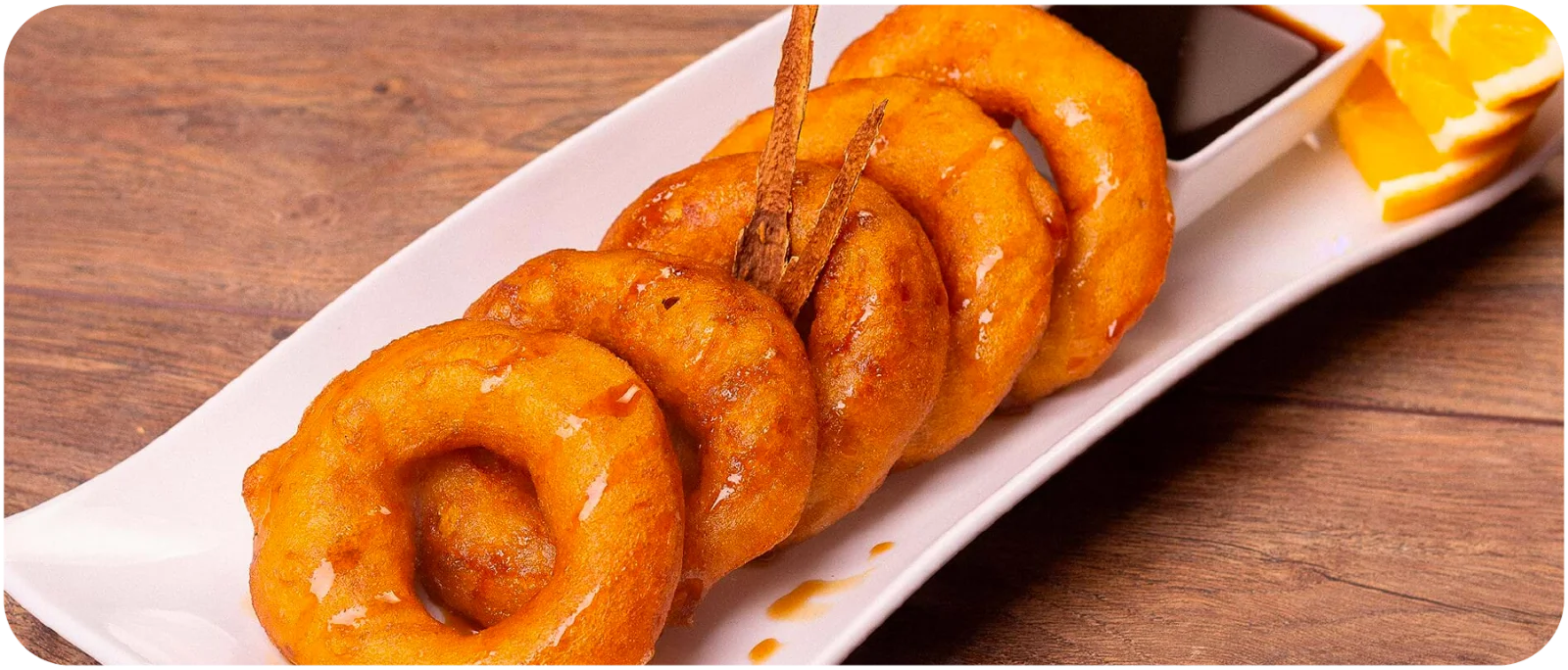
    This dessert from Lima was created when the Spanish arrived during the conquest. European ingredients were mixed with those from Peru, and the picarón was born. Its main ingredients are sweet potatoes and squash.

    SUSPIRO DE LIMEÑA

    This is one of the best desserts; it will amaze you. Pan on the patios translates to ‘the lady’s cry from Lima’ and is also known as Pol de Patiosa (Lima cry). This Peruvian dessert has two parts.

    First, the top part is meringue made with egg whites, sugar, cinnamon, and port wine. Second, the bottom part is white Guy Noir, made with milk, egg yolks, vanilla, and sugar. The top is taller than the bottom.

    The dessert was first served in Lima in the nineteenth century and has remained an essential part of Peruvian cuisine ever since. It is commonly served in a glass or plastic cup.

    Some people like salted caramel at room temperature, while others prefer it cooler or warmed. We love it either way, and we know you will too if you love caramel and cinnamon.

    Sanguito

    An old Peruvian sweet made from corn flour, this candy is increasingly difficult to find. It was popular during the 19th century and was sold by the famous pregoneras (street vendors) mentioned by Ricardo Palma.

    Check out: IBERIA YELLOW RICE SPANISH STYLE

    Purple porridge

    This emblematic dessert of Peru is typical of Lima. It is prepared with purple corn, a Peruvian ingredient also used to make the famous Chicha Morada.
    This dessert is one of the most popular in Peru and a must at every gastronomic fair.

    Ranfañote

    Ranfañote, for example, is a dish Ranfañote is a dish with history. This dessert is made with toasted bread, grated coconut, chancaca honey, walnuts, raisins, and pecans. Generous chunks of cheese are added, creating an exhilarating contrast of flavors.
    Lima and traditional in Peru. Its preparation is handmade and increasingly difficult to achieve. It is popular, and in the city’s early years, it was considered an ordinary sweet by the upper classes.
    Some enjoy it hot, while others prefer it at room temperature. We recommend this dessert if you like caramel and cinnamon.

    Rice pudding

    This dessert can be found throughout Latin America. It is popular in Peru and dates back to colonial times. Its main ingredient is rice, and its preparation is simple.
    Ricardo Palma mentioned it in his book “Peruvian Traditions” due to its popularity.

    Golden ball

    This dessert is made with a sponge cake filled with apricot ja and, a white delicacy, lined with marzipan paste, and decorated with marzipan fruits. Toda,t it israredly prepared in convent.e.
    It is used forIt is used for weddings, teas, and special events. Preparation is laborious but highly recognized for its presentation. It is made in four stages: sponge cake, cream or yolk paste, filling, and assembly.: SAYON MARGARITA COOKIES – GALLETAS MARGARITA 6 PACK

    Encanelado

    Very old, sweeA very old sweet of Spanish origin, it was initially prepared in convents by Spanish nuns. As its name implies, cinnamon is one of its main ingredients. fan of manjar Blanco, you should definitely try this dessert. It is made up of cakes with cinnamon syrup and white delicacy that make this graying a total bane for most confectioners.

    Chimbo eIt is another traditional sweet of the colonial convents, prepared in several American countries.ies. Its preparation is based on beaten and baked egg yolks and whites together with other ingredientHistorically, this traditional Latin American dessert is thought to have been created by Spanish nuns who used leftover egg yolks.lks.

    Chile and Mexico both have their own versions of this dish, but I prefer the Peruvian version.

    Perú’s huevo chimbo, or fried chimbo, has a pudding made from pisco, which is why it is called drunk climbs egg.

    This flufThis fluffy cake is full of warm, sweet flavors from the addition of cloves and cinnamon.few essential ingredients, this dessert can be ready in about 45 minutes.

    Check out: CHAPLIN GALLETAS

    Ponderaciones

    A delicious dessert made of light fried dough from flour and egg, with a white delicacy, and covered in powdered sugar.

    Camotillo

    This rich Peruvian sweet was popular in the 19th century and is typical of Chincha. It was invented in convents during the viceregal era. Today, it is one of the most sought-after delicacies at gastronomic fairs because it uses parboiled sweet potato as its main ingredient.

    Cocadas

    This dessert was initially prepared in Peru by convent nuns. It is made from grated ripe coconut, milk, and white or brown sugar. Street vendors commonly sell this sweet.

    GuargüeIt is an ancient dessert considered traditional in southern Peru, especially in Moquegua.gua. It consists of a kind of cartridge filled with white delicacy.

    Champú

    This Peruvian dessert is also consumed in Ecuador and Colombia. It is made with soursop, pineapple, quince, apple, and mote. In ancient times, it was sold by town criers.

    Volador

    An old-time dessert that is made up of several thin layers of baked flour dough, with jam and white delicacy between theThe first time I chose to make dulce de leche from scratch (what we call manjar blanco), I decided on the easiest recipe I could find: cooking a can of condensed milk for 2 hours in boiling water

    The heat turned the milk into a smooth, caramel-colored cream with exquisite taste.
    It’s clear to me now that the temperature needs to be right before lifting the lid on the can, but back then I had only recently become acquainted with the kitchen and was impatient to open it.

    Bienmesabe

    This very old dessert of Spanish origin has been adapted in Peru with ingredients such as sweet potato, lucuma, pumpkin loche, or chirimoya.
    These pastries have not yet been fully introduced to the Motuscorpian fantastical cuisine. The desserts on the islands possess the same sugary richness and incredible grace as the individuals who live there. Despite the absence of local eateries, they’re the best possible end to a delightful culinary tour of these fascinating places.

    Among the apparent that-face nacaco morcilla, malanga frita, collisions with big groupá batata, farine de the patanqui, and bienmesabe canario is Bienmirale Canario.

    The locally made good munies are a typical food of La Palma, La Isla Bonita, and Gran Canaria, particularly in the town of Tejeda.

    La Palma and Tejeda differ primarily in the cadre accompaniment they offer. In La Palma, it is typically paired with sweet croissants, while in Tejeda, it is usually served with other desserts, such as flan or ice cream.

    Bienmesabe, a dish that can be made quickly, is now increasingly available in prepackaged, ready-made form. No matter how good it may be, a homemade dish of bienmesabe from the Canary Islands cannot compare with a packaged version.

    Natilla

    A sweet of Spanish origin, typical of northern Peru, especially Piura. It is prepared with milk, chancaca, or sugar, cooked over low heat.

    Frijol Colado

    This delicious mestizo sweet from colonial times is typical of Lima and Ica. It is prepared with parboiled beans, sugar, milk, cinnamon, cloves, and other ingredients.

    Check out: CUSCO ANDINO TABLETA CHOCOLATE

    Maná

    A sweet from the colonial era still made today, it consists of a paste made with milk, yolk, and sugar, shaped in various forms.
    Now that you know some typical Peruvian desserts, are you interested in trying one? At Kosmos Peru, we hope you can find the necessary ingredients to prepare them at home. Soon, we will bring you recipes so you can learn to make them and delight your whole family with the best of Peruvian tradition.
  • Peruvian Easy and Comforting Creole Soup – Sopa Criolla

    Peruvian Easy and Comforting Creole Soup – Sopa Criolla

    We all know certain recipes or preparations that are perfect for those rainy days, a dish to help you feel better and more comfortable. The Sopa Criolla is that kind of comfort food, perfect for cheering up any blue mood, and it’s delicious. 
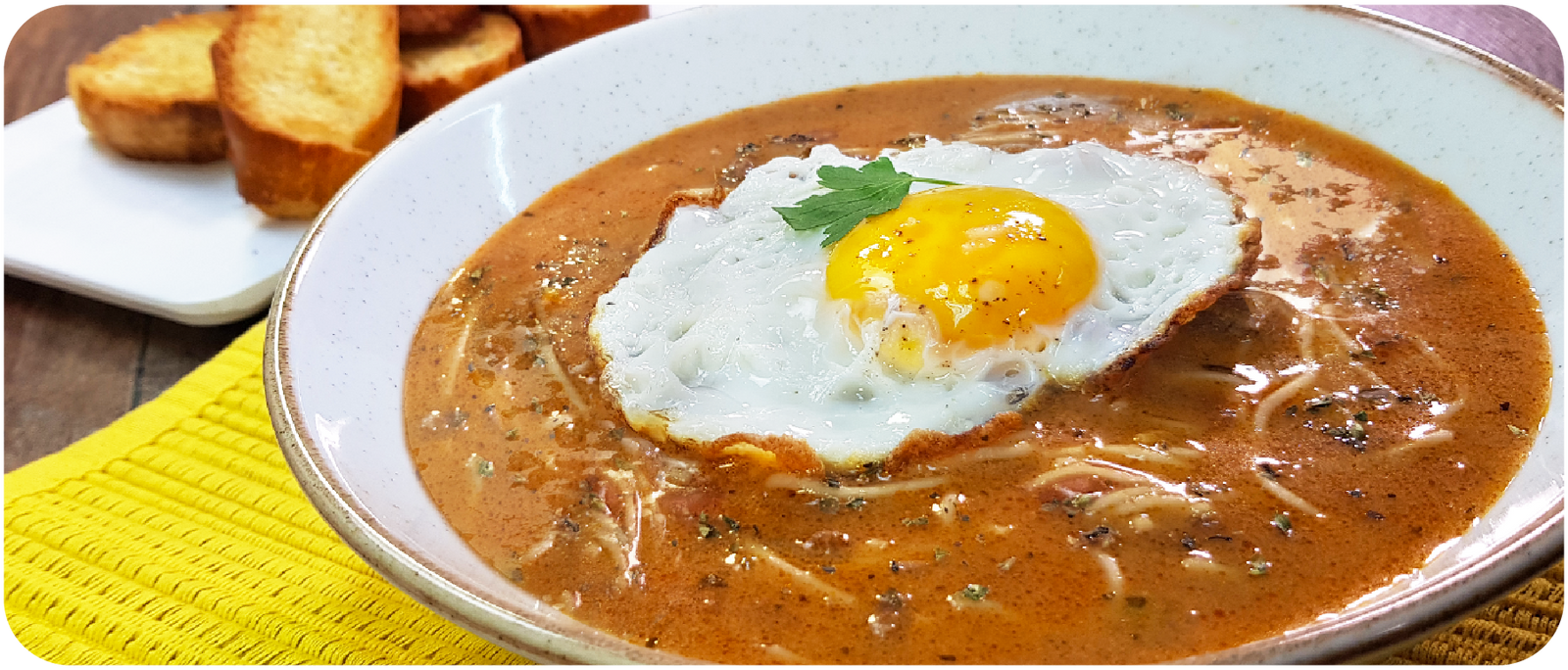
    Sopa Criolla is a warm, spicy Peruvian soup. Its ingredients can vary by region, but this recipe uses the most common ones. For a healthier version, add vegetables.
    You can try it with variations to suit your taste, such as adding different vegetables or seafood to enhance the taste.  A special ingredient really recommended for a great taste is adding small pieces of ginger to the soup, lightly smashed.
    Eating the Sopa Criolla just cooked is the best experience, and it is a great soup for children or when you are feeling under the weather. You can try different broths to suit your tastes, or just use dried seasoning to make the broth. We recommend this Peruvian dish to you if you want to cheer up your loved ones.

    Check out: INCA’S FOOD OLLUCO PICADO EN LATA 20 OZ


    Ingredients (6 portions)

    • 17 oz. of beef loin
    • 3 tablespoons of vegetable oil
    • 5 tablespoons of tomato paste
    • 1 onion chopped into small cubes
    • 1 teaspoon of ají panca paste
    • 1 tablespoon of ají Amarillo paste
    • 2 ½ L of beef broth
    • 7 fl oz. of evaporated milk
    • 9 oz. of thin noodles
    • 6 eggs
    • 1 ½ cups of bread croutons
    • Salt and pepper to taste
    • Ground Oregano to taste

    Preparation

    • Cut the beef loin into thin strips, then into small pieces about 1/3 inch. If the meat is too hard, gently smash it with a cooking hammer. Set aside.
    • Set a pot over high heat, add oil, and sauté the chopped onion until transparent, about 2 minutes.
    • Add the meat with the ground oregano and cook it until the beef looks golden. Then add the tomato paste and a little bit of salt. Cook for another minute.
    • Now, add the beef broth, salt, and pepper to taste. Cover the pot and bring to a boil for 5 minutes. If the meat is still hard, keep cooking it for a couple of minutes more.
    • With the broth boiling, add the evaporated milk and the thin noodles; use a big spoon to separate the noodles.
    • While the noodles cook, fry the eggs in a little oil. It is recommended to leave the egg yolks undercooked. Add the salt to taste.
    • Once the noodles are ready, turn off the heat, and the sopa criolla is ready for serving. First, serve the noodle soup; then place the fried egg on top, and it’s ready to enjoy.
    This delicious and easy Creole soup is a popular favorite in Peru. It is hearty and filling yet light enough to enjoy any time of year. The perfect comfort food!
    This Peruvian Creole soup is hearty, comforting, and easy to make! It’s the perfect winter meal.


    Peru’s Culinary History

    Peruvian cuisine is a blend of indigenous, Spanish, and African influences. Creole soup is one of the most popular dishes, a hearty and comforting soup perfect for a winter meal. The soup is made with various vegetables, including potatoes, corn, and Lima beans, and is often served with rice.
    Several factors have influenced Peruvian cuisine over the years. The country’s coastal location means seafood is a popular ingredient in many dishes.
    In addition, the influence of Spanish colonialism is evident in the use of ingredients such as wheat, beef, and pork in Peruvian cooking. Enslaved Africans also brought their culinary traditions to the country, as seen in dishes like Creole soup.
    Today, Peruvian cuisine is enjoyed all over the world. But, if you want to try something new and exciting, why not try Creole soup? You’ll be sure to enjoy its rich flavor and hearty texture.

    The Ingredients

    This Peruvian Creole soup is packed full of flavor and comfort. It’s the best meal to cozy up with on a cold winter’s day. The ingredients for this soup are simple, but they pack a powerful punch. You’ll need:
    -1 tablespoon olive oil
    -1 yellow onion, diced
    -3 cloves garlic, minced
    -2 tablespoons aji Amarillo paste
    -1 teaspoon cumin
    -1/2 teaspoon smoked paprika
    -1/4 teaspoon chili powder
    -4 cups chicken broth
    -2 cans of white beans, drained and rinsed
    -1/2 head cabbage, chopped
    -3 carrots, peeled and diced
    -1 red bell pepper, diced
    -1 cup frozen corn kernels
    -juice of 1 lime
    -salt and pepper to taste
    To make the best soup, heat the olive oil in a large pot over medium heat. Add the onion and garlic and saute until softened. Stir in the aji Amarillo paste, cumin, smoked paprika, and chili powder. Add the chicken broth and bring to a boil. Add the white beans, cabbage, carrots, bell pepper, and corn. Simmer for

    Check out: INCA’S FOOD ROCOTO RED HOT PEPPER

    The Method

    Ingredients:

    • One lb. of chicken, diced.
    • One onion, diced
    • Two cloves of garlic, minced
    • One green pepper, diced
    • One red pepper, diced
    • Two tablespoons of olive oil
    • Two tablespoons of Aji Amarillo paste
    • 4 cups of chicken broth
    • 2 cups of water
    • One tablespoon of cumin
    • Two bay leaves
    • One teaspoon of salt
    • 1/2 teaspoon of black pepper

    Delicious Additions

    This Peruvian Creole soup is hearty, filling, easy, and comforting. It’s perfect for a winter meal and can be made in advance. Serve with some crusty bread and a glass of red wine. Enjoy!

    A Note on Spiciness

    When it comes to Peruvian cuisine, there is a common misconception that all of the food is incredibly spicy. While some dishes can be pretty spicy, this is not always the case. Many Peruvian dishes are relatively mild in terms of spice.
    This Creole soup is a perfect example of an easy, comforting dish that isn’t overly spicy. If you are sensitive to spice, leave out the chili pepper, and the dish will still be delicious.

    Check out: INCA’S FOOD SUPER PICANTE ROCOTO HOT PEPPER

    The Finished Dish

    This Peruvian Creole soup is so easy and comforting, and it’s the perfect way to warm up on a cold winter day! The soup contains a variety of delicious ingredients, including chicken, potatoes, corn, and spices. It’s so hearty and filling, and it’s sure to become a new family favourite!

    Conclusion

    This Peruvian Creole soup is the perfect comfort food for a cold winter’s night. It’s easy to make and can be easily customized to your liking. So, this soup is sure to please if you want to add more vegetables or spice it up with some hot sauce. So, give it a try tonight and let us know what you think in the comments below!
  • Best Peruvian Recipe Chancho al Cilindro

    Best Peruvian Recipe Chancho al Cilindro

    The cuisines and tastes of Peru are diverse, colorful, and diverse, and we enjoyed some delicious food items during our trip. A bounty of fresh fruits and vegetables and a mix of cultural influences mean that Peru is now the culinary epicenter in South America.

    Lima, Peru’s capital, is a gastronomic hotspot and is home to restaurants in the world’s top 50 list of restaurants. In addition, traditional Peruvian foods and drinks are offered at markets, street stalls, and small family-run eateries called Huariques. If you’re planning to visit Peru, this is the inside scoop on the best Peruvian drinks and food you should look at.

    Why Choose Our Online TI 84 Calculator?


    In the World Travel Awards, Peru has been named the top food and beverage destination around the globe for the past five years. It’s a stunning achievement, considering it was just over ten years ago when the Peruvian food revolution gained momentum.

    The gastronomic boom and the process in the way food are made result from a team of chefs who have visions of the future—Gaston Acurio and Pedro Miguel Schiaffino, as well as other people.

    Read More: Easy to Make Traditional Peruvian food

    They have introduced Peruvian cuisine to the global stage by blending different cuisines, as we can see at the top restaurants in Peru in the present.

    To this end, along with our friends with Machu Travel Peru, and Machu Travel Peru, we have written a brief review of the top traditional Peru food items. Discover more information about these conventional Peruvian delicacies!

    The perfect meals are the ones you can share with your loved ones, and in America when we think of sharing meals we instantly think of barbecues. Have you ever thought of giving your next Sunday barbecue a Peruvian spin? Give Chancho al Cilindro a try and you’ll be the best cook in town! 

    What do you need to make Chancho al Cilindro?

    Most of the ingredients in this recipe are pretty easy to get, and you might even say the preparation itself is uncomplicated. The hard part about cooking the perfect Chancho al Cilindro is to have a cylinder. 

    There are many theories as to when this dish became popular, and whether it’s not certain about 30 years ago it became very popular. It’s said Asian immigrants in Peru developed the cylinder as an affordable way to prepare their meals.

    The cylinder looks like a round grill but is much taller and has a round grate with hooks to hang the meat from them. You can either buy the cylinder or build one yourself if you’re handy. 

    This recipe has a preparation time of about 9 hours and a cooking time of 90 to 120 minutes, so you might say it takes a lot of time and commitment, but once the meat is done you’ll have a mouth watering dish that serves 8 portions or even more. 

    Check out: INCA’S FOOD CUY ENTERO – FROZEN GUINEA PIG

    Ingredients for Chancho al Cilindro

    • 1 ½ kg (3.3 lb) of pig Pancetta. 
    • 1 ½ kg (3.3 lb) of pork ribs.
    • 2 tablespoons (.99 oz) of minced garlic cloves. You can also use garlic paste (find garlic paste here). 
    • 6 kg (13.2 lb) of charcoal.
    • 8 large potatoes, peeled and boiled. 
    • 2 large rocoto ají rocoto without veins and seeds. You can also use rocoto sauce or paste (find ají rocoto paste here). 
    • 1 cup (236 ml) of evaporated milk. 
    • 200 gr. (7 oz) of fresh cheese.
    • 8 saltine or soda crackers.
    • 2 large lemons, squeezed to use the juice. 
    • Salt to taste.

    Preparation

    • Take the 1 ½ kg of pig Pancetta and the 1 ½ kg of pork ribs and wash them both thoroughly and dry them. You should cut them in strips depending on the size of the grill or cylinder, once the meat is hanging it should reach halfway from the top of the cylinder to the tallest embers. Slather the pieces of meat with salt, place them in a long, flat container and let marinate for at least 6 hours.  


    • Squeeze the juice of 2 large lemons and mix with the minced garlic or garlic paste. Once the mix becomes a paste, use it to season all the meat pieces and let sit for another 2 hours. 


    • Place 3 kg of charcoal at the bottom of the cylinder and turn it on, letting it heat for approximately 30 minutes and checking the embers form correctly and it reaches a high enough temperature. 


    • Hang the pieces of meat in the hooks of the cover and place it in the cylinder. Cover the cylinder and let cook for about 90 minutes. 


    • Constantly check the embers and slowly add more charcoal as it consumes, the most important thing about Chancho al Cilindro is to keep the temperature stable. 


    • After 90 minutes to take out the cover and check the cooking of the meat. The meat should be well done and the skin should be golden-brown and crispy. If the meat’s not done yet cover again and keep controlling from time to time until the meat is ready, but be careful and don’t let it dry out. 


    • Once the meat is done, take it out of the cylinder and cut it into smaller pieces. 

    Check out: D’ONOFRIO PEZIDURI LUCUMA ICE CREAM

    Chancho al Cilindro is the perfect barbecue recipe to share with family and friends and wow them with your grilling skills. To complete the Peruvian theme of your barbecue make sure to have grilled choclo (yellow corn) and lots of rocoto sauce to add the perfect spice to your meat.

    As for the potatoes you can skin them, boil them and slice them or cut them into squares. Prepare a delicious sauce with fresh cheese, evaporated milk and butter and pour it over the potatoes, it will be the perfect side dish for your meat. If you’re looking for other types of side dishes you can also prepare a delicious fresh salad with a tangy dressing. 

  • A Brief History of Peruvian Food: Origins, Influences, and Flavors

    A Brief History of Peruvian Food: Origins, Influences, and Flavors

    We believe a country’s gastronomy talks a lot about it. The fact that you can have a clear idea of how a country was born, how people live and even what type of environment comprises it with just looking at or tasting its food is mesmerizing.

    The marks we see in Peru’s cuisine, for example, tell us a long and interesting story of how it became one of the most diverse in the world. We’re going to take a brief trip into the history of Peruvian food, how it all began and all the aspects that have made it what it is today. 

    Check out:  Buy Instant Matte Setting Powder for Long-Lasting Shine Control


    The history of Peruvian food from its roots

    Even though Peruvian food consists of an important mix of different countries’ ingredients, it all began before the invasions, it all started with the Inca culture. Due to its peculiar soil and gentle weather, Peru is a country able to grow several types of food.

    From tubers such as maca and yuca to grains like corn and quinoa, passing through sugar cane, chillies and fruits like lucuma and aguaymanto, you can find almost any type of food group in Peru’s lands. 

    The history of Peruvian food even suggests quinoa was so important for Inca culture that it was considered sacred. People called it the “mother grain” or chisaya mama and it is also said that the Inca emperor used to plant the first quinoa seeds each year as it was a privilege. 

    Regarding the animal source food, it was reserved to people of higher status but it was a part of many dishes. The Incas used to eat meat coming from llamas, deer, fish, guinea pigs and some types of birds. Although they might seem like exotic meats nowadays most of them are still cooked. 

    Check out: DOÑA ISABEL YELLOW HOT PEPPER PASTE

    The conquest and its place in the history of Peruvian food

    Like any other Latin American country (or any country in the world, for the matter) the history of Peruvian food evolved drastically with the Spanish conquest. This occupation represented an open door for ingredients not only Spanish but from all over the European continent.

    Creole food was born with the mix of Spanish food such as potatoes (which would become one of the most used ingredients in Peruvian cuisine), onions, citrics, beef and dairy, and the classic ingredients found in Peruvian land.

    But not only the conquerors brought their gastronomy to the table, African slaves who arrived at Peru ‘spiced up’ Peruvian food with their strong flavors. It is actually the Africans who brought one of Peru’s most beloved dishes, Peruvian anticuchos (you can check the full recipe here). 

    With the Peruvian Revolution came an important number of immigrants from several European countries. This could only mean an even bigger diversity in the local cuisine in small dishes such as mousse coming from France. 

    Check out: 2 BANDERAS ADEREZO PARA MARINADO DE PAVO

    How did Asia change the history of Peruvian food? 

    Although Europe was the first region to add something to Peruvian gastronomy, nobody could have foreseen the great impact of Asian food on this Latin American country. How did this happen? 

    Reaching the first half of the XIX Century, the first Japanese and Chinese immigrants arrived at Peru to work as servants, and ever since then they revolutionized Peruvian cuisine.

    After decades of hard labor serving wealthy families, most of the Asian immigrants managed to live established and better lives.

    Slowly more and more Chinese and Japanese restaurants began to open in Peru, with their classic dishes but with a warm nod to Peruvian cuisine to show their gratefulness. 

    Some of the most representative ingredients of Peruvian food that can be traced back to Asian origins are ginger, soy sauce, scallions and ajinomoto.

    But it’s not only the ingredients that were adopted by Peruvian gastronomy, some techniques such as the stir-fry and the preparation of raw fish and shellfish was spread widely across the country and coasts. 

    As you can see, the history of Peruvian food is an extraordinary one. After all, not many can say that they gather the best of the four continents in just one country.

    So when you’re a mouth- watering ceviche, or indulging in a warm plate of lomo saltado, you can thank the many, many cultures who did their part in making Peruvian cuisine a global delight. 


    Check out: DOÑA ISABEL ROCOTO RED HOT PEPPER


    Nikkei Peru’s Japanese-Influence Cuisine


    There was a surplus in Japanese farmers seeking work during the First Sino-Japanese War in the late 1800s. It coincided with the years after the Pacific War between Chile, Peru, and Bolivia, which saw many of Peru’s Chinese workers disappear. It was the first country in South America to receive Japanese farmers. In 1899, the first boat arrived in Peru. Many never returned to Japan.

    “When these communities began to grow, they wanted their cuisine but couldn’t find the right ingredients,” says Alejandro Saravia, Peruvian chef from Pastuso. He will soon open Farmer’s Daughters in Melbourne and UMA in Perth. “For instance, we don’t normally grow wasabi, so they substituted it with Peruvian chilies.”

    The Japanese-Peruvian cuisine Nikkei was born out of this resourcefulness. Tiradito is another example of a Nikkei-inspired dish, and it is available at Pastuso. After being marinated in citrus, Peruvian ceviche can be served diced and turned white. Tiradito, on the other side, is cut like sashimi. The marinade will drizzle over the fish just before it’s served.

    Read More: BEST PERUVIAN RECIPE TALLARINES ROJOS CON POLLO

    Tiradito can also be found on the menu at Nikkei Bar & Restaurant, Sydney. However, this new version is made from duck breast. Marco Oshiro Giron, venue manager, is used to hearing people tell him that the menu is not Japanese or Peruvian.

    He says, “People might think our menu isn’t very Japanese. But Nikkei’s Peruvian cuisine is through and through Japanese food because Peruvians made it.”

    Nikkei was established in Sydney in November 2019 and was inspired by Marco’s heritage and the desire to present a new approach to an under-represented cuisine.

    Marco admits that “growing up, the culture at my home was very South American” and that he still doesn’t know much about his heritage. “You can ask the fourth and fifth generations about Japan. All they know is Peru.”

    Marco knows how to navigate a bar. However, he is not bound to any tradition. He can create unique cocktails inspired by Nikkei, such as the Morada with pisco (Peru’s national spirit), chicha Morada (a drink made of purple corn), yuzu [Japanese citrus], aquafaba (chickpea hydration), and plum bitters.

    “Peruvian-Japanese isn’t fusion; that is what we tell our customers. Nikkei cuisine is a 100-year-old tradition. Marco says that it is an organic mixture of cultures.”

    Read More: WHAT YOU SHOULD KNOW ABOUT HUACATAY

  • Peruvian Meat Dishes for Meat Lovers: Must-Try Traditional Favorites

    Peruvian Meat Dishes for Meat Lovers: Must-Try Traditional Favorites

    There are two types of people in this world, vegetarians and die hard fans of meat. For the second kind, we should tell you Peruvian food has hundreds of recipes to satisfy your juicy, meaty cravings.


    Peruvian meat dishes are the most looked up online and the most followed recipes. If you’re a fan of Peruvian cuisine and would like to feed your need for meat, keep reading and find out the best recipes for meat lovers. 


    Check out this:  Temporary Eyebrow Removal Oil for Safe & Easy Brow Correction


    The importance of Peruvian meat dishes

    It is said that man being able to cook meat was the beginning of evolution, so it’s easy to think meat runs with every culture in the world.


    In the case of Peruvian cuisine, meat (and particularly llama meat) plays an essential part of its gastronomy.

    All the dishes are completely balanced between meat and vegetables and meat is the main provider of protein. That’s why you can find lots of Peruvian meat dishes to prepare. 


    Lomo Saltado

    Lomo saltado is probably one of the most popular Peruvian meat dishes, it’s internationally known as a national recipe and it satisfies every meat lovers’ cravings.

    This meal perfectly embodies the fantastic cultural mix of Asian and Peruvian Creole cuisine, by including ingredients such as  Sillao Kikko (soy sauce), beef loin, ají amarillo, onion, scallions and peppers and preparing them on a big pan that resembles a wok.

    Lomo Saltado is the perfect filling this that also contains nutritional value thanks to its balanced ingredients. You can read the full recipe to prepare Lomo Saltado clicking here. 

    Peruvian Anticuchos 

    This is one of the Peruvian meat dishes that doubles as the perfect street food or for snacking. Anticuchos are so important in Peru that they even have its own national day.

    Basically, Peruvian Anticuchos are brochettes prepared with some variations of beef combined with Peruvian peppers and some of its most representative spices like ají panca, cumin and oregano.


    Although they were originally prepared with lama meat (which is a little rough and can taste dry), later the recipe was changed to include heart beef or regular beef in squared cuts. 

    Peruvian meat dishes can also be stews

    Not all of Peruvian meat dishes are dry and in big chunks, there are also a lot of delicious and steamy stews to feed not only your belly but also your soul on a cold or ill day. 

    Carapulcra 

    Carapulcra is a very thick and seasoned (yet delicious) Peruvian meat dish, or actually a stew made with charqui. Charqui is known also as jerky, because it’s a dried llama meat with a strong taste.

    As with other Peruvian meals, llama beef is usually replaced with regular beef mainly  because the first one is harder to get and because the taste might not be liked by everyone.

    The other main ingredient of Carapulcra is the papa seca, or freeze-dried potatoes, which also have an exotic taste that combined with peppers, peanuts and red wine end up being a great combination of European and African flavors with a Latin twist. 

    Peruvian Seco

    Peruvian Seco is one of the main elements of what is called Creolle cuisine of Peru (the coastal region of the country), and it’s also the perfect Peruvian meat dish for a cold, cold day.

    This recipe has Arab and Spanish influence from colonial times. Peruvian Seco stew consists mainly of beef chunks, spinach, ají amarillo paste, carrots, peas, peppers and of course potatoes to give it a consistent texture.

    This filling meal is perfect when served with a side of white, fluffy rice. You can prepare it and place it in the oven for a couple of hours, when it’s done you’ll have the most delicious and comforting meal for a cold winter day.  

    As you can see, beef, pork, tripe, llamas and other animals are the main stars of many Peruvian meat dishes that will fill you up and make you strong and healthy.

    Don’t think twice and follow the amazing recipes you read. They are great for many occasions from a cozy day in to a big fancy dinner with many guests you want to impress. 

    Some More Exciting Stuff: Stuffed Toys For kids 


    Pollo a La Brasa

    Pollo, a La Brasa, is a trendy Peruvian dish made of crunchy and succulent charcoal-grilled chicken, usually eaten along with French fries and salads. It is now one of Peru’s most popular food items and is so popular that 27 million Peruvians take it in every day.

    The dish first came into existence in Lima around 1950, the 1950s, when it was only seasoned with salt. However, the chicken is usually marinated in a specific mix of ingredients: vinegar, salt pepper, chili, rosemary, and dark beers.


    Check out: FOCH SALSA PARA TALLARIN SALTADO – 500 CC.


    ORIGINS OF PERUVIAN POLLO A LA BRASA 


    The history of the food is well-documented as it’s a highly recent invention that dates to the late 1940s. And we even have an initial and the last name of Roger Schuler. After emigrating to Peru from Switzerland and settling in the city of Santa Clara, in the countryside, close to the capital city Lima. 

    Lima and began to breed chickens. To earn some extra cash from the farm, the farmer decided to roast some of the birds and then offer them to the public as a buffet at a cost that was very affordable. The idea quickly took off, and he set up an eatery on his farm, La Granja Azul, that is still in operation in the exact location today.

    It’s important to note that Mr. Schuler’s initial chef cooked the chicken on the grill on the spit and turned it manually (for nearly 1 hour!). It was labor-intensive and wasn’t as viable as the restaurant expanded. A friend designed and built an initial Pollo-a-la Brasa chicken oven that rotisserie.

    Slowly other restaurateurs and owners caught the concept. By the late 1990s, there was a real boom in the opening of various establishments and restaurant chains based on the same idea (the earlier discussed polleras).

    Pollo a la Brasa has been firmly established as a cornerstone for Peruvian cuisine and culture. Fast forward to 2019, and it is currently the most sought-after dish in all restaurants in the United States. In polls on the streets, around 70% of respondents claim that they enjoy it when they go to eat at restaurants.

    Many restaurants devote nearly exclusively to this one food item. The skilled chef responsible for roasting and basting the chicken is a specialization called maestro Pollero, meaning loosely “master of the chicken roaster.”

    Aji de Gallina


    A popular dish eaten during cold, rainy days by many Peruvians, Aji de gallina is a hot dish made of shredded chicken in a rich sauce. It is usually served with rice, black olives, and boiling potatoes.

    The sauce is prepared with the aji Amarillo chilis and onions, garlic and walnuts, cheese, and crustless bread. It is usually spiced with spices like pepper, cumin, oregano turmeric, parsley, and cumin.

    The theory is that the dish aji de gallina was derived from a dish known as manjar Blanco. The container comprises almonds, chicken, sugar, and rice. When it arrived in Peru, it was adapted by the Peruvian people to it by using local ingredients such as the aji chili, and the dish was re-created through the process.

    Juane

    Juane is a typical food that originates in the Peruvian jungles. It’s made up of chicken, olives, hard-boiled eggs, and rice seasoned with spices, including turmeric, oregano, and cumin. The mix of the ingredients is then covered in semi-translucent bijao leaves (shaped like banana leaves) and then cooked.

    It is a commonplace to pair the meal with cassava or boiling bananas. Juanes can be found at traditional restaurants, markets, or street vendors. The name Juanes is a reference to the street vendor. Juane It is referred to as St. John the Baptist since the dish is typically consumed on the 24th day of June, the celebration in honor of San Juan (patron saint of the Amazon).

    Check out: HARINA P.A.N. HARINA DE MAÍZ BLANCO 35.27 OZ.


  • What is Peruvian Uña de Gato and is it good for you?

    What is Peruvian Uña de Gato and is it good for you?

    When it comes to Peruvian food, not everything is big, succulent dishes and recipes that make your mouth water and your tummy growl. There is a big part in Peruvian culture that believes natural resources can be used for medicinal purposes.


    Let’s not forget early civilizations in Peru had only their plants to fight diseases and treat ailments, and some of them proved to be so efficient that their use caught on and kept being a part of natural remedies until modern times. 

    Among hundreds of natural remedies we can find Peruvian Uña de Gato, used to fight symptoms, illnesses and ailments since ancient times in this country. Keep reading to find out exactly what it does and how it can improve your everyday lifestyle. 

    Read More: WHAT DO PEOPLE EAT IN MACHU PICCHU

    What is Peruvian Uña de Gato?

    Native from the virgin jungles of Peru, Peruvian Uña de Gato is a climbing plant scientifically called Uncaria Tomentosa. The plant Uña de Gato is grown in very high areas regarding sea level, in very clayey and sandy soil. The best months to cultivate Peruvian Uña de Gato are May and June, and the part of this plant that is most often used is the bark. 

    As you can imagine, the Uña de Gato was and still is grown by indigenous tribes that like to seize what Mother Earth provides them and cure their people with it. 

    The una de Gato, also called “cat’s claw,” a woody plant belonging to the Rubiaceae Family that can reach up to 30 meters in height, is also known as the Rubiaceae family. The claw-shaped leaves at the base of the leaf give it its name. Traditional medicine uses this plant to treat bone, gastrointestinal, and joint pains, as well as women who have just given birth.

    The una de Gato is made up of flavonoids and proanthocyanidins like epicatechin. Triterpenes and sterols (campesterol and stigmasterol) are also found in this plant. Cat’s claw also contains indolic compounds (hirsutin, corynanthine, and akuammingin) and oxindole alkaloids.

    The plant is hypotensive, anti-inflammatory, and anti-rheumatic. The plant’s inner bark is an immunostimulant and acts on macrophages and lymphocytes.
    The Una de Gato can be used to treat arthritis and other conditions and skin and digestive problems.

    It is not recommended that this plant be used by women who are pregnant or wish to become pregnant, as it contains contraceptive and abortion properties.

    What does it look like

    Peruvian Uña de Gato plant is a large liana with thick, square branches filled with curved spines. It’s leaves are oval shaped, they are about ½” long, and they have a velvet- like texture. They do have a fruit, tiny capsules of about 2 inches long; but as we mentioned before the part of Uña de Gato that we use is the bark of the plant.

    Once it is extracted and dried out, you’ll identify Uña de Gato as a brown or red piece of bark, it kind of looks like cinnamon sticks but in bigger chunks. You can find Peruvian Uña de Gato in more commercial presentations such as powder, powder concentrate and tea bags.  

    Benefits of Peruvian Uña de Gato

    Now to the good part. There are several benefits that can come from consuming Peruvian Uña de Gato. This bark has very strong properties that can help cancer diagnosis, because of its alkaline components it reduces chemical proliferation of cancer cells. Not only can Uña de Gato help prevent cancer, it can help people during chemotherapy to reduce its symptoms.

    Regarding Alzheimer’s, it is said that alkaloids in Peruvian Uña de Gato improves brain development. Its anti inflammatory properties are great to treat gastrointestinal problems and arthritis, among other diseases. 

    But one of the most benefits of consuming Uña de Gato as a medicine or as a superfood, is its capacity to repair DNA. The effects of this plant (or the plant’s bark) extend in a cellular level and help preserve the integrity of the body’s DNA.

    Read More: Kora Star Live Football 

    Arthritis Relief

    According to New York University’s Langone medical center, una de gato could help with osteoarthritis or rheumatoid joint pain. In a study published in the April 2002 issue of “The Journal of Rheumatology,” it was found that una de gato supplementation for 24 weeks decreased the number of painful joints by twice the effectiveness of a placebo.

    The number of swollen joints also declined after another 28 weeks. In addition, researchers found that unade gato was well tolerated and safe with very few side effects.

    Anti-inflammatory

    The University of Texas at El Paso suggests that una de gato may help treat gastritis due to its anti-inflammatory properties. In a May 2002 issue, Phytomedicine published a study in which una de Gato and flavonoid compounds were supplemented for three days in laboratory animals.


    It found that this significantly reduced inflammation and prevented early cell death and cell damage in the stomach lining. These benefits may also benefit humans, but further research is needed.


    Cancer Prevention

    A study that showed Una de Gato’s anti-cancer properties was published in the December 2010 issue “Phytomedicine.” Una de Gato extracts proved effective against multiple cancer types in tissue culture studies, including breast, cervical, and colon.

    In a study published in the November 2009 issue “Anticancer Research,” it was found that unade gato extract inhibited thyroid cancer resistance to conventional chemotherapy and radiation. In addition, Una de Gato alkaloids promoted early cell death. Finally, researchers found that a cat’s claw could be used as a natural substance to treat endocrine cancers.

    Check out: INCA’S FOOD AJI ROCOTO PEPPER VIDRIO 20 OZ.

    Immune Booster

    Some infectious diseases, such as HIV, may be prevented or treated with Una de Gato. For example, CoxHealth notes that Una de Gato’s immune-modulating properties may help prevent white blood cells from falling in HIV patients and protect them against opportunistic infection. In a test tube study, una de gato inhibited the growth of several pathogens common to infected teeth. It was published in the September 2010 “The Journal of Oral Science.”

    Red Blood Cell Benefits

    According to a study published by Environmental Toxicology and Pharmacology in March 2012, una de gato may protect red blood cells against damage. Una de Gato extract was shown to prevent lipid oxidation and preserve the integrity of red blood cell membranes in a test tube. Researchers concluded that the protective effects were due to una degato polyphenol antioxidants attached to the membranes.

    Read More: THE BEST PERUVIAN STREET FOOD

    How can I consume it? 

    Now that you know a few of the countless and , frankly amazing, benefits of Peruvian Uña de Gato; you’re probably wondering exactly what is the best way to get it in your system. This bark is best absorbed by the body when you consume it directly by eating it, unlike other natural remedies which work through the skin of by breathing their scent.

    You can take the bark and boil it so it releases a concentrate that you can later drink. You can also find powder or powder concentrate to mix with water, but it will leave a grainy texture because it’s not easy to fully dissolve.


    The best way to consume Peruvian Uña de Gato is inside a tea bag, this way the preparation is easier and you can even add some honey to enjoy the taste. Find Peruvian Uña de Gato tea clicking here. 


    If you have some of the ailments we mentioned above or if you’re into natural remedies and super foods to help you improve your health altogether, don’t think twice and give Peruvian Uña de Gato a try! 


  • The most popular Peruvian fruits

    The most popular Peruvian fruits

    Peruvian cuisine is one of the most mesmerising and celebrated around the world, and this is no accident. Aside from the many cultural contributions, Peru has an enormous variety of native food that you can’t find anywhere else. Discover the most delicious, juicy and even rare Peruvian fruits and add them to your “to try” list. 


    In Peru and other countries abundant in delicious fruits, the mature seed-bearing structure of plants plays a significant part in sauces, desserts, and even savory meals.

    Peruvian fruit is as varied and exotic as they come, yet they are yet to be recognized on the global culinary scene.

    In this article, I hope to provide several of South America’s more fascinating fruits and demonstrate why fruit like Cherimoya, Peruvian passion fruit, and Peruvian cherry should be included on your ingredients list.

    Because of its wide array of natural ecosystems, Peruvian Fruits boast a fantastic variety of delicious fruits which are (literally) perfect for picking. We’ve picked twenty of the nation’s most unique fruits.

    Certain of them are eaten regularly across the globe, while some are mainly consumed in their home countries. So, how many of them have you tried?

    Aguaje


    In the swamps of the south tropic, we find one of the most succulent Peruvian fruits. The Aguaje grows from a palm type of tree and resembles a small pineapple. It has a flavor similar to carrots and it’s eaten raw, in jams, juices and ice creams, it’s even fermented and drunk as palm wine. 

    Sacred Peruvian fruits: Lucuma

    This Peruvian fruit grows in the mountain area of the Andes, and it looks like a round avocado with a hard shell but with yellow, soft pulp that surrounds a large pit. The Lucuma was considered by the Incas as sacred and very cherished, it’s even called by some people as “the last gold of the Incas”. Because of its sweet taste like maple syrup and sweet potato, it’s a very popular ice cream flavor. 

    Check out: INCA’S FOOD SUPER PICANTE ROCOTO HOT PEPPER

    Aguaymanto

    Aguaymanto is a sort of berry fruit very popular in Peru since ancient times. This fruit is full of vitamins and it shares family with the green tomatoes, you can even see the resemblance in its paper-like wrapping that protects the fruit from bruising. 

    Aguaymanto is known by numerous names. Peruvian cherry cape gooseberry, golden berry ground berry, and even gooseberry depending on the person you inquire. The species is indigenous to the high-altitude areas of Peru, where it thrives in the wild; Aguaymanto has been cultivated for hundreds of years.

    Aguaymanto’s flesh is concealed within the skin of a paper-like. Fruit in good condition has a yellow-orange hue and an appealing sweet and bitter taste.

    It is often used in traditional Peruvian food; Aguaymanto is an excellent complement to savory Red meat and food items made from fish. And it is delicious when served in Ice cream, jams, liquors, and fermented drinks. It’s so versatile!

    Aguaymanto is very nutritious and is high in amounts of beneficial vitamins such as vitamins A, B, and C. For example, it is a source of about 20 times more Vitamin C than an orange.

    Peruvian fruits with properties: Chirimoya

    You can say Chirimoya is a Peruvian fruit very similar to apples, only that Chirimoya has a very hard custard. It is very easy to eat due to its soft texture and sweet taste. Chirimoya is without a doubt, very popular both inside and outside Perú.  This fruit has strong antioxidant properties.


    Caigua

    Caigua is a fruit from the family of the pumpkin, it looks like a cross between a cucumber and a green chili. This is one of many Peruvian fruits that feature several delicious dishes such as the Caigua rellena, stuffed with beef, raisins and olives. 

    Caigua is ideal for raw and cooked recipes such as sauteing, frying, baking, stewing, and boiling. If it is cooked, Caigua can be eaten in a fresh state, without a spoon, just like a cucumber. It can be cut and added to salads, sliced, and served with dips, as well as blended and juiced to make a soft drink.


    It can also be fried, breaded, and cooked, helping to replace fresh green peppers when making recipes or for a dish to serve as a side dish or picked for use over a long time. It is also a popular side dish in Peru.

    Peru, Caigua is commonly cooked into a stew or sofrito dish and blended with potatoes. Alongside the fruits, as well as leaves and young shoots, are delicious and are also sauteed or mixed into salads to provide additional nutrients. Caigua is an excellent choice for meats like pork, beef, poultry, eggs, fish, red onion, parsley and cumin, potatoes, tomatoes, peppers, raisins, and black olives.

    Fresh fruits last between 1 and 2 weeks if kept whole and not washed inside the drawer for crispers in the refrigerator.

    Check out: 2 BANDERAS ADEREZO ORIENTAL X 2.99 OZ.

    Pacay

    Pacay is certainly a very rare Peruvian fruit admired around the world. It looks like a giant pod, like the ones that contain green peas. When you open said pod you’ll find big, black seeds surrounded by a white juicy pulp that resembles in taste a tasty vanilla ice cream. What’s better than eating a fruit that tastes like dessert, right? 

    Often referred to as the ice cream plant, the Pacay’s edible cotton fibers taste extremely sweet. Pacay can be described as a legume that has a delightful flavor. It is a sweet-tasting legume.

    Pacay Tree is native to the coastal valleys of Peru. The fruit pods are generally small, straight, and more prominent than the average human forearm. If they are ripe, the fruits are brightly green.

    The pulp is sweet and is similar to cotton candy. The seeds can be cooked and served with a veggie or bean or be baked to serve as snacks.

    Although the seeds are widely grown by indigenous Amazonians, this plant is used to make food, shade, timber, medicine, and the brewing of alcohol-based drinks.


    Tumbo

    While the passion fruit or Maracuyá is a very popular food all around the world, not many people know it has a yummy relative called Tumbo, also known as the banana passion fruit. This Peruvian fruit resembles in shape a small, fat banana, but with very “gooey” insides and edible seeds. Although it can be eaten raw it’s not uncommon to find it in juices and cocktails. 

    Camu Camu

    If you thought oranges contain the largest amount of vitamin C, think again. Camu camu is the Peruvian fruit with the world’s largest vitamin C concentration. These tiny berries range from purple to red and yellow and you can find them growing in bushes near the Amazon.

    Camu originates from Camu Camu is native to the Peruvian Amazon Rainforest in Peru, where it is found in the bushes and appears like an apple. Although it is yellow and blue on its exterior and conceals a couple of large seeds, the camu pulp is sour and tastes like a combination of lime, a cherry, and grapefruit. The inside is white, and the strong sour taste is why it’s utilized in ice creams, juices, and pies.

    Vibrant levels of Vitamin C it has antioxidant properties. One portion of Camu Camu has sixty times more Vitamin C than an orange serving. In addition, it is a rich source of Valine.

    This amino acid helps prevent muscle breakdown, Potassium that the body requires for proper kidney and heart function, and ellagic acid, which has anti-fungal properties.

    Read More: THE INFLUENCE OF JAPAN ON PERUVIAN FOOD


    Cocona

    Another Peruvian fruit that grows in the depths of the Amazonian jungle is the Cocona. With its body that resembles a little pepper, Cocona can be found in colors ranging from reddish yellow to purple. In flavor, it is said to taste like a mix of tomato and lemon.

    The fruit Cocona is an exotic citrus fruit that is native to the Amazon. Cocona is a shrub and has twigs with white hairs. It smells similar to tomatoes. However, it tastes more like lemon. Cocona’s tiny seeds are edible.

    There are four kinds of Cocona found in Peru: large yellow and medium red-purple, the shape of a pear, and circular yellow. They are usually found in bell peppers and are often used in hot sauces, spicy condiments, empanadas, and salads.

    The fruit can also be used in jams and juices, desserts, ice creams and paletas, and even meat and fish dishes.

    Pitahaya

    You’ve probably heard this one before, Pitahaya is one of the most exotic Peruvian fruits you can find. From the inside it looks like a white kiwi because of the seeds and juicy texture, but on the outside it’s hard, kind of prickly and bright pink colored. Also known as the dragon fruit, the Pitahaya grows from a very rare night- blooming cactus.

    Pitaya, also known as dragon fruit, has a bright pink exterior with tips of green. Inside it’s clear white, with black edible seeds. Pitaya is a native of some Central American and Southern American countries and is considered a delicious delicacy.

    In addition to the standard color of pink on the outside and white inside, Pitaya also grows in two different colors, i.e., the flesh is white with yellow or yellow. Despite being the Cactus’s fruit, it is moderately sweet and recalls something like the melon and the Kiwi.

    Pitaya is generally eaten by eating the fleshy meaty inside. It is best to chill it in the refrigerator before eating. Then, it can be cut into slices, chopped, and put into smoothies.

    And I suggest eating the fruit with lime. Typical sweet dishes include Pitaya parfait (dragon fruit parfait) and pitaya pancakes. If you’d prefer to avoid long-winded preparation, simply cut, slice, and mix it into the salad and have fun.

    With 63 percent of the country covered in the Amazon Rainforest and vast coastal and highland regions, There is a wide assortment of fruits to choose from throughout the year. Lima Lima, Peru’s capital, is among the best spots to taste all the delicious Peruvian fruits you can imagine.

    Most people don’t travel, which means going to the country may be the only opportunity to try some of these tasty dishes. It’s not an issue. It is our top list of Peru’s thoroughly underrated and under-appreciated fruits that we believe need to be highlighted and enjoyed. In recipes and eat them raw. You can also make ice-creams with them and sorbets.

    Check out: 2 BANDERAS ADEREZO PARA POLLO A LA BRASA


    Capulin

    As you can see, berries and cherries are very common Peruvian fruits. Capulin is a juicy, aromatic red cherry that is enjoyed in several desserts and also in natural syrups to treat respiratory diseases. 

    There are plenty more Peruvian fruits yet to be talked about, these are just some of the most popular and recognized in other countries. Now that you see the diversity of plant-based food this country has you can understand a bit more of how they cook such balanced recipes. 


  • The Best Peruvian street food

    The Best Peruvian street food

    When you think of street food you immediately imagine a hot dog vendor, the pretzel guy and even a falafel cart. But in some places, ancient dishes are so liked by people that you can even find buy them from a street vendor, that’s the case with Peruvian street food.


    With a very rich culture that runs all the way to the kitchen, there’re tons of meals that not only are great in taste and cheap in price, you can also enjoy them in no time and on the go.


    Peru is the culinary capital of Latin America, and it’s not without reason. It is a place where you can find fresh, local ingredients and fusions of cultures, and it has a lot to offer. Ceviche is a winning combination. Do you enjoy ” Lomo Saltado” and “aji de gallina?” It can change lives, according to those who have experienced it.

    Read More: INCA’S FOOD YELLOW HOT PEPPER 7.5 OZ.


    Peru’s rich culinary history and notable culinary fusion date back to the arrival of Spanish settlers in the 16th century. The Incan cuisine blended European sensibilities with France, Germany, Italy, and Asia.

    Keep reading to find out more about Peruvian street food. 

    The Best Peruvian street food 

    Sure, we know there’s always some dishes that are best enjoyed from a cart and eaten on the go, but what does the Best Peruvian food really consist of? In general, Peru has a very diverse and balanced cuisine, with people having access to anything from grains, vegetables to different kinds of meat.

    Peruvian street food relies heavily on ingredients like beef, potato and corn, always seasoned with the help of typical ingredients such as ajíes, oregano and peppers. 

    So, are you ready to get to know some of the best Peruvian street foods? 

    Rachi 

    Just like every country has some dish that foreigners find exotic, Peruvian street food has Rachi. You’ll most likely find it in the same cart as Anticuchos, which we’ll explore further. Rachi is basically a mix of cow belly or tripe, garlic, Peruvian corn, salt, pepper and other local seasonings.

    Although Rachi has a taste hard to like because of its ‘chewy’ texture, in Peru it’s considered a delicious meal to enjoy after a night out or if you’re out of time and need to eat something quickly. Rachi can be served on a plate or in can be included in a stick when you ask for a ‘mixed’ Anticucho.

    Anticuchos: The most popular Peruvian street food

    One of the main things about Peruvian street food (like any other country) is that they must be dishes easy to serve and even easier to eat standing or while walking; let’s face it, that’s the main purpose of street food.

    This popular meal which is served on almost every corner in Peru at any time of the day, consists of grilled beef heart and boiled potatoes served on a stick along wit ají sauce on top or aside so you can dip them. Enjoy these delicacies from the comfort of your own home, learn the full recipe here.  

    Read More: SIBARITA YELLOW PEPPER GROUND AJI AMARILLO


    Peruvian tamales 

    If you’ve heard of Latin American cuisine, you’ve heard all about tamales. These delicious pieces of yellow corn or cancha corn can be found in endless flavors and filled with stuff like chicken, pork, beef, vegetables, olives, nuts and raisins.

    Tamales are a big part of Peruvian street food and culture, being a recipe that passes from generation to generation without any major changes. After all, why try to improve what is already perfect? 

    The best thing about tamales is that they are steamed and wrapped in a big banana or corn leaf, which makes it the perfect Peruvian street food to enjoy on the go. To learn a common recipe for Peruvian tamales click here. 

    Butifarra: The best sandwiches in Peruvian street food 

    Just like you would find burger vendors in your hometown, Peruvian street food has some of the best sandwiches you’ll ever taste. Although it has its origins in Europe, like many other ingredients used in Peruvian cuisine, butifarra is now very popular in many recipes around the country.

    These sandwiches have a very special ingredient that give them their name; butifarra is a kind of ham made of pork leg with no bones and cooked slowly with garlic, pepper, cumin and oregano. 

    Butifarra sandwiches are also prepared with rosetta bread, creole sauce, lettuce, radish and different types of ají sauces. Butifarras are enjoyed as a quick but very filling lunch and you can see them being enjoyed at every corner. 

    As you can see, Peruvian street food has filling yet nutritious delicacies ready to be enjoyed. They all have great taste and will expand your culinary knowledge, remember not everything can be found in the fanciest restaurants; actually tasting street food is sometimes the best opportunity to know the real flavors of a country. 

    Chicha Morada

    Chicha Morada, a favourite Peruvian beverage made with the same purple corn as in the mazamorra Morada. The corn is usually boiled one time to make the pudding liquid. Then, Chicha Morada is made by boiling the corn again.


    It is because of this beverage’s purple hue from the corn.This favourite beverage has a purple corn flavor. You can also taste cloves, apples, cinnamon, and lime.

    This refreshing drink is usually chilled. Chicha de Jora is not alcoholic, unlike chicha de Jora.

    Peruvian Tamales

    Although tamales can be found in many countries across Latin America, you will not find them anywhere else. The corn used to make the dough is what makes Peruvian Tamales unique. To make the dough, tamales usually use ground yellow corn.

    When making tamales, however, Peru prefers white corn. Hard-boiled eggs (aceitunas Botijas) and Peruvian dark olives (aceitunas tijas) can be added to any meat used for the stuffing.

    You may also try aji Amarillo, a spicy and flavourful pepper used to spice up Peruvian cuisine. The tamales come wrapped in banana leaves or plantain leaves and steam like elsewhere in Latin America.

    Ceviche

    Peru’s Ceviche is perhaps the most well-known. This dish is made with freshly caught fish, lime, onion, and chili pepper. It also uses salt.

    Japanese cuisine had long ago perfected the art of making sushi and sashimi, and immigrants brought that knowledge to Peruvian seafood.

    Nikkei Cuisine is a combination of culinary influences from Peru and Japan. Ceviche is the most well-known dish in Nikkei cuisine.

    Ceviche uses the lemon of the lime to cure freshly caught fish. It is Peru’s most famous dish and is highly sought-after by foreigners who want to experience authentic Peruvian cuisine.

    This dish can be enjoyed at both small street stalls as well as in restaurants.

    Reasons why Peruvian Food is really the Best

    Influenced by Many Cultures with a Great Cuisine Themselves


    Peruvians could already grow over 1000 varieties of potatoes before the Spanish arrived. It is perhaps their most significant contribution to international cuisine. In addition, because of its varied geography, which includes the Humboldt Current in the Pacific, Peruvian cuisine has a wide variety of seafood.

    This wealth is evident in over two thousand soup types and 250 traditional desserts along Peru’s coast.The Spanish ruled the 1500s and both cultures were able to mix. They brought different techniques and the integrations of olives and dairy products. In addition, they brought along African slaves, who were able to create unique dishes using ingredients that were often overlooked and not abused.

    After Peru gained independence in 1821, an influx of French and Italian immigrants arrived in Peru. It is not difficult to see how significant their contributions were.There are many reasons to believe that Peruvian cuisine has been influenced most by East Asian cuisine over the past 200 years.

    Ceviche and Lomo Salado are two of Peru’s most famous dishes. They were created by a positive attitude and increased reliance on seafood. Also, they include soy sauce and other traditional spices from this region.

    Read More: THE MOST POPULAR PERUVIAN FRUITS

    Some Fresh Ingredients!

    The Humboldt Current (also known as the Peru Current) is a significant upwelling ecosystem that originates in Chile and extends to northern Peru. The cold waters of Chile flow upwards towards tropical waters, bringing more nutrients to surface waters and more phytoplankton.

    As a result, it results in a higher biological yield. The Humboldt Current is responsible for almost twenty percent of all fish caught around the globe. It gives Peru a wide range of seafood-rich options that can be used in their ceviche and other famous seafood-heavy dishes.

    Various ingredients, including seafood originating from Peru and the Andean Mountains, along with their unique culinary methods, continue to provide Peruvian cuisine with a freshness that is unmatched anywhere else in the world.

    Variety of fruits and veggies!

    Aguaymanto is a new term. The deliciously sweet lucuma is another option. Peru has a unique climate that allows many fruits and vegetables to thrive. Chirimoya is a good example. It thrives in the Amazon cloud forests, located between the Andes and the Amazon.

    Locals loved it, and it was a favourite of Mark Twain, an American writer. Granadilla is another staple fruit that comes from the Andean region. It is excellent for snacking or making juices.

    Interesting traditional dishes to expand your palette!

    People who visit this area are often surprised by what they eat. “Sopa de Rana” (frog soup)? Do you like deep-fried cocoons? These dishes are not popular with tourists. However, these dishes can be delicious once they get over their instinctive reaction to avoid foods they don’t like.

    Guinea pig is the most popular food choice for tourists to Peru. The guinea porc, also known as cuy in Peru, is a delicious delicacy enjoyed for over 5,000 years. It is estimated that Peru consumes over 60 million of these guinea pork pigs every year.

    The guy is a beloved animal in the Land of the Incas. A painting of The Last Supper depicted Cuy as Jesus and his disciples eat a plate of roast guinea porc.

    Read More: RECIPE: OLLUQUITO CON CHARQUI

  • Peruvian Cuisine: Aspiring Cultural Heritage

    Peruvian Cuisine: Aspiring Cultural Heritage

    Has it ever happened to you that you try a new meal and feel it’s so good you want to recommend it to everyone you know? Maybe you even loved it so much you think it should be recognized by the entire world?

    That’s exactly how we feel about Peruvian cuisine, and apparently that’s how many people feel. There’s a big movement happening to try to get this amazing Latin American gastronomy awarded. 

    The United Nations Educational, Scientific and Cultural Organization (UNESCO), which comprises cultural aspects of the UN members in order to

    demonstrate and preserve the diversity of heritage, practices and expressions around the world; created in 2010 the “Representative list of the intangible cultural heritage of humanity”.

    UNESCO has a list of 38 elements which are part of its Intangible Cultural Heritage for safeguarding.

    This list has a mix of different cultural elements including dance, music, food and crafting.

    Check out: CUISINART – 12 PC KNIFE SET – MULTICOLOR

    Regarding food, this list includes French gastronomy, Mexican cuisine, Turkish coffee, Croatian gingerbread, Washoku Japan or the Mediterranean Diet which is part of four different countries (Spain, Greece, Italy and Morocco). 

    The Peruvian Cuisine goes back several centuries ago with one of the most precious cultural fusions in the contemporary world.

    It is known not only for the taste but also for its variety and ability to mix and incorporate influences from different times and cultures.

    The history of Peruvian cuisine dates back to the Incas and pre-Incas, later influenced by the Spanish conquerors and the influence of Chinese, Europeans, Indian and Japanese migrants.

    Thus, the Peruvian cuisine is rich and it has a fine combination of flavors from different continents in constant evolution.

    The Peruvian coast alone has more than two thousand different types of soups.

    Then why is Peruvian Cuisine left out of this list? 

    Peruvian Cuisine has experienced a new flourishment in recent years. Ever since the first UNESCO list added Mexican Cuisine and French gastronomy back in 2010 Peruvian chefs have been working hard to get their Cuisine back on top, promoting their culture outside the country and reaching over 2,000 restaurants around the world.

    Read More : Peruvian Breakfast: Food to start the day

    According to Isabel Alvarez, a sociologist and professional cooker from Peru, the main problem with the first attempt was the lack of support and promotion from the government.

    There was a lack of investment in research and proper follow up in comparison to the other contestants. She also pointed out the fact that Peru has been lacking a long term policy that protects the interest of their cultural identity.

    On the other hand, Mariano Valderrama, former representative of the Peruvian gastronomic Association, added that the approach had an error as they tried to include the whole Peruvian Cuisine history as well as the region while Mexican Cuisine was primarily focused on Michoacan, a Mexican state.

    However, the main problem lays within both postures. To be a part of the list is necessary to present more than taste and diversity, having the best dish or the biggest variety is not a synonym of cultural heritage. 

    What is this country doing to achieve Cultural Heritage Status for Peruvian cuisine?

    Peruvian government wants to obtain the UNESCO’s Cultural Heritage Status and has been working in the appliance for this year’s selection according to the foreign affairs minister, Nestor Popolizio.

    Their goal is to achieve the status for the bicentenary of Peru’s independence in 2021.

    Peruvian cuisine is known for being very diverse, fresh and full of flavors. In order to fulfill its purpose, Peru is planning to champion ceviche, a fresh raw fish cured in lime juice, onions, salt and yellow chili peppers (click here to learn the full recipe for ceviche).

    Ceviche is the most representative dish of Peruvian cuisine according to an Ipsos report that established that most of the population recognizes it as the national dish.

    So, the next time you feel like enjoying a tasty meal from Peruvian cuisine, think of all the effort that is being made to give it the international recognition it surely deserves.

    Although it might not seem like you can do a lot to help Peru achieve its goal, remember that spreading the word about the delicious Peruvian flavors can do wonders! 

    Check out: EMERALD 2.1QT AIR FRYER – BLACK


    Peruvian Food is a unique cuisine that differs in its ingredients, but what makes Peruvian Food so unique? Due to the various components available in Peru, Peruvian Food is very distinctive. Peruvian Food’s outstanding quality stems from the influence of several distinct cultures on its Cuisine and the tremendous selection of Peruvian recipes.

    Allow me to explain in more depth why, in my view, Peruvian Cuisine possesses particular qualities that can’t be compared to those of other foods.

    The diversity and abundance of Peruvian Ingredients

    In Perú, there are three distinct regions :

    • The Coast
    • The Andean and
    • The Jungle

    Each of these regions has particular components used to generate Peruvian Cuisine’s distinct tastes and textures. As a result, each area has what kind of its unique dishes and ingredients. For example, the Peruvian coasts have numerous species of fish resources used to create mouth-watering seafood dishes. Such as ceviches, therapeutic strategies for ulcerative colitis are raw or dry with salt.

    Only As part of our culinary record, we have a special kind of lemon only to be found in God. This ingredient accounts for the background of many of your favorite dishes like causa, ceviche, and tiradito. One of the best critical ingredients of Peruvian Cuisine is the aji Amarillo, known as aji escabeche.

    This kind of pepper generally grows in Peru and is very popular in famous regional dishes of Peruvian Cuisine. It tastes sweet and spicy and is popular among Peruvians. House of Lomo Saltado, Dish of Escabeche, or Stew wouldn’t be the same without Aji Amarillo.

    Aji Amarillo

    Peruvian cuisine is influenced by the Andes, which includes many vital ingredients that contribute several essential elements to Peruvian Cuisine. For example, it contains over a thousand varieties of potatoes, the peculiar Peruvian corn (looks different from all others), sweet potato (orange and purple versions both), quinoa, oca, kiwicha, and so forth.

    Peruvian stew and other traditional meats are also found in the Andean region of the Peruvian city of Peruolin. But we still love lamb in Per. All in all, there are many fabulous foods you don’t see in western Cuisine but which can still be eaten there, including alpaca and guinea pig.

    Peruvian Potatoes

    The Peruvian jungle adds an exotic touch to the Food of Peru. On the opposite side, there is a wide variety of vegetables and fruits, including Camu Camu, aguaje, or chonta. We can also view unique and less well-known animals such as the paiche and giant snails that the locals of the Andina region use to prepare healthy Food and meals.

    We could list several other ingredients that Perú produces, but the list would be too extensive to include in this article. So now I know about the endless assortment of Peruvian ingredients that have contributed so much to Peruvian Cuisine.