Tag: Peruvian Cuisine

  • The best Peruvian restaurants around the world

    The best Peruvian restaurants around the world

    There are people who like to taste gastronomic delicacies from all over the world, even getting into culinary tourism to find the most famous places to eat.

    A few years ago, the world started falling in love with Peruvian culture; its fashion, its traditions and most of all its food.

    Filled with exotic ingredients with strong foreign inspiration, Peruvian food has something to offer that no one else can: a homelike taste. 

    So it’s only natural for people to want to hunt down the best Peruvian restaurants from different parts of the world and live an experience unforgettable to your palate.  

    Read About: Peruvian Cuisine: Aspiring Cultural Heritage

    Some of the best Peruvian restaurants in the world 

    Without further ado, we bring you some of the best Peruvian restaurants from around the globe.

    This is not a final list and the restaurants are not listed in any particular order; in fact there’s actually dozens of fantastic restaurants that do a good job at capturing the essence of Peru. 

    Panca (New York, US)

    According to their website, Panca started with a dream of presenting the wide diversity and fusion of Peruvian food, using the best and most authentic ingredients in a modern presentation.

    Led by chef Emmanuel Piqueras, this delicious and innovative restaurant has managed to stay hip and relevant for eight years in Greenwich Village, an almost impossible task for any restaurant in NYC.

    The specialty of this Peruvian restaurant are Taquitos de Camarón, or shrimp tacos with spices. 

    Nuna (Punta del Este, Uruguay)

    This exclusive Peruvian restaurant in Uruguay was made possible thanks to chef Jaime Pesaque; who first learned the secrets of Peruvian cuisine from his family’s cooking.

    He later studied at Le Cordon Bleu, where he discovered he could take the roots of Peruvian food to other parts of the world.

    According to Pesaque, Peruvian food is an expanding trend with no intention of stopping. Nuna is known for its Langostinos Soberbios, a lobster dish with camote cream and ají amarillo sauce. 

    Lima Limon (Las Vegas, US)

    One of the things that make this Peruvian restaurant unique (but also quite typical for Peruvian culture) is that it’s a family business.

    Chef Christian Vasquez Torres brings authentic Peruvian flavor to his own inventions and mixes, after all, cuisine is all about experimenting.

    Enjoy meals such as “Ceviche in Huacatay sauce” and “Green Causa rellena with grilled octopus” while you admire the traditional decor, including a Gigantic Llama work of art. (To learn the recipe for Causa Rellena click here)

    14 Inkas (Bogota, Colombia)

    Don’t get fooled by big enterprises, they also know a thing or two about quality. An example of this is 14 Inkas, led by chefs Jose Luis Zarate and Alexander Dave Torres. These two creative minds own Grupo Nazca, a consortium of Peruvian restaurants all over Colombia.

    This hip restaurant is located in a modern shopping area of the city, thus attracting a younger crowd. Get swirled up by 14 Inkas’ specialty: “Pollito Peruano” (Peruvian chick), a chicken marinated for 36 hours in black beer, mustard, ají panca, and vinegar. 

     La Mar (San Francisco, US)

    This Peruvian restaurant holds a very special place for the Latin country. Its chef and creator, Gaston Acurio, decided his true career was cuisine, and even after studying law he decided to enroll at Le Cordon Bleu and follow his dreams.

    He wasn’t wrong to do this; now he holds the title of “Ambassador of Peruvian Cuisine” and is considered the most successful Peruvian chef in the world. His flagship restaurant, La Mar, has another location in Miami, and its specialty dish is “Ceviche del Amor”, prepared with rocoto cream and coral crab. 

    Barandiaran (Santiago, Chile)

    The Peruvian restaurant we list here is living proof of how cuisine can change the world. Its head chef, Marco Barandiaran, emigrated to Chile to cook for the Peruvian embassy, some time after he founded the famous restaurant, now a trademark in the city of Santiago.

    He made Peruvian food so relevant in Chile that he was named an “Honorable resident” by the Chilean government. Thanks to this, Peru and Chile were able to leave behind past  conflicts and enjoy the deliciousness of Peruvian food. 

    These are just some of the many, many Peruvian restaurants that pride their country by being among the best of the best. If there’s a small chance you can visit one of them  don’t miss it, remember Peruvian food knows no borders!


    PERUVIAN SUPERFOODS AND THEIR BENEFITS


    Then the bad news. We’re not in the best health. Our eating habits make us sicker. The prevalence of obesity is increasing, and weight-related health problems like hypertension, heart disease, and hypertension are prevalent. Many of these diseases can be easily avoided by adjusting our eating habits.

    Superfoods are getting more popular and are frequently utilized to address people’s health issues regarding processed foods. It is believed that the Peruvian food market for superfoods is expanding quickly and holds enormous potential to grow further over the coming years.

    Farmers can benefit significantly from the most diverse ecosystems and rich soil. Conscious food producers frequently use these vital fruits, nuts, and vegetables for ingredients in drinks, snacks as well as condiments.

    We believe Peruvian superfoods can be the perfect supplement to your daily diet. They can help you feel healthier and enhance your quality of life. It’s a great promise to get small, tiny packets!

    Read on to understand the factors that make these natural ingredients unique in their benefits to your health. Then, discover why Peruvians are proud of their indigenous superfoods and trying to promote a healthier lifestyle based on nutritional information, far beyond trendy fads.


    KIWICHA


    What exactly is kiwicha, and why aren’t we aware of it previously? Kiwicha is often called amaranth or even mini quinoa. It is a fantastic superfood, but this time in the form of seeds.

    The tiny cereal-like seeds are known for their impressive nutritional profile. It has been grown in and throughout Peru for more than 4000 years. Kiwicha grains are rich in protein and fiber in the diet, which aids in lowering LDL cholesterol levels and improving health and wellness for the cardiovascular system.

    A cup of Kiwicha is enough to give you between 15 and 20% of the recommended daily intake of dietary fiber. At 250 calories for a cup, it’s also an excellent source of energy that is slow-released. Kiwicha is also loaded with minerals and vitamins, particularly B vitamins like B6, B9, and more.

    These vitamins aid in increasing metabolism and boosting your energy levels, and they support the health of your red blood cells. Regarding general well-being, However, these vitamins, particularly vitamin B9, aid your body in naturally synthesizing nucleic acids, which are the building blocks of DNA. 

    Read More: INTERESTING FACTS ABOUT THE PERUVIAN ROCOTO

    Quino


    The first step is to study a grain that has received much attention lately for all the right reasons. Quinoa, pronounced as Keen-wah, is an ancient Peruvian superfood consumed for thousands of years by the early Incas. The early Incas believed that Quinoa was more important than pure gold because they thought it aided in increasing the strength of their warriors, which made them stronger soldiers.

    Today, Quinoa is consumed for reasons other than turning us better soldiers; although it helps to increase the stamina of the body, it no denies that.

    Quinoa is a grain that is fluffy that is like couscous. It is an excellent source of plant-based protein and the only protein derived from plants to have all nine amino acids. Additionally, Quinoa’s fatty acids resist boiling, meaning more nutrients stay in the cooked version.

    Quinoa also has high levels of fiber which aids in reducing LDL cholesterol levels. It also aids in improving satisfaction after consumption, ensuring you’ll feel fuller for a longer time. The grains are minerals and vitamins that boost the immune system and improve circulation. Additionally, it’s completely gluten-free, which means it can be necessary for any healthy diet.

    And, for all cooks out there, It is also an extremely versatile food and is a great choice to eat in many different ways, such as tasty desserts. You can try this famous Peruvian dish in your next word.


    LUCUMA 


    We are now at my personal favorite, Lucuma. The creamy drink of gods’ is a different Peruvian food item that belongs in the traditional Peruvian superfoods section. Lucuma was a cult favorite of the Incas and is known for its flavor and many health benefits.

    Lucuma is a nutrient-rich fruit that contains beta carotene, which helps give it its distinctive orange color. At first glance, one might mistake Lucuma as a smooth avocado because, from the outside, they look similar. However, looking at the flesh of the orange is not a problem. Lucuma is a mix of sweet potato, maple, and caramel. As you can imagine, it’s lovely and delicious.

    Mainly, Lucuma is excellent for people who lack trace elements since it has 14 essential trace elements, such as magnesium, potassium, sodium, and calcium. In addition, in 100 grams of Fruit, Lucuma provides more than 92 mg of calcium, which is an excellent choice for those who maintain their teeth and bones healthy and strong.

    There’s more to it; Lucuma also possesses a range of anti-inflammatory properties that aid in the management of pain, aid in the healing of wounds, and the prevention of aging on the skin. Are you looking for detox to combat the effects of aging? Consume Lucuma to keep your skin looking radiant and satisfied while doing it.

    Lucuma is a highly well-known ingredient in desserts, and ice cream made from Lucuma is exceptionally delicious. Don’t miss out on the chance to taste it.
    Check out: MAGGI BRASA X 45 GR.

  • Peruvian Christmas Food: 7 Traditional Dishes You Must Try

    Peruvian Christmas Food: 7 Traditional Dishes You Must Try

    Peru, like many Latin American countries, celebrates Christmas with deep devotion, joyful traditions, and of course, an unforgettable feast. Since Christianity is the main religion practiced across the country, Christmas is one of the most important holidays of the year in Peru.

    For Peruvian families, Christmas is not only about decorations, gifts, and prayers. It is also about gathering together on the night of December 24th to share a rich and abundant dinner before midnight. Once the clock strikes twelve, families hug each other, exchange presents, say prayers, and celebrate the birth of Jesus with warmth and gratitude.

    One of the most special parts of this celebration is the food. A traditional Peruvian Christmas dinner table is filled with comforting, flavorful, and festive dishes that blend local ingredients with influences from Spain, Italy, France, Africa, and even China. This mix of cultures has helped shape Peru into one of the most exciting food destinations in the world, and Christmas dinner is one of the best examples of that culinary richness.

    If you want to discover the most popular Peruvian Christmas food and the dishes that make this holiday so special, keep reading.

    What Is Traditional Peruvian Christmas Food?

    Traditional Peruvian Christmas food is a delicious combination of savory main dishes, creamy side dishes, sweet breads, desserts, and warm drinks. Most families prepare a large dinner on Christmas Eve, often centered around roasted turkey or another festive meat, accompanied by purees, salads, rice dishes, panettone, and hot chocolate.

    What makes Christmas food in Peru unique is the way international holiday classics are adapted using Peruvian tastes, ingredients, and cooking traditions. The result is a holiday menu that feels both familiar and distinct.

    Why Food Is So Important at Christmas in Peru

    Christmas in Peru is a family-centered celebration. Relatives gather at home late in the evening, often staying up until midnight to celebrate together. While many countries focus their big meal on December 25th, in Peru the main Christmas feast usually happens on the night of December 24th.

    Food plays a central role in the celebration because it brings everyone together. The preparation itself is often a family activity, with different relatives helping in the kitchen, setting the table, and preparing recipes that may have been passed down for generations.

    The meal is meant to feel generous, festive, and comforting. It is a time to serve dishes that are rich, flavorful, and made with care.

    Stuffed Turkey: The Star of the Peruvian Christmas Table

    When people think of Peruvian Christmas food, stuffed turkey is usually the first dish that comes to mind. Turkey has become the centerpiece of many Christmas dinners in Peru, just as it has in other parts of the world. However, the Peruvian version often includes local seasonings and ingredients that give it a distinctive flavor.

    Peruvian-style stuffed turkey may be seasoned with ingredients such as garlic paste, orange juice, pisco, soy sauce, pepper, cumin, and other spices. These ingredients help create a juicy, flavorful bird with a golden roasted finish. Some families stuff the turkey with seasoned bread, ground meat, vegetables, or fruit, while others prefer to serve the stuffing separately.

    The turkey is often roasted slowly to allow the flavors to fully develop, making it the highlight of the Christmas Eve dinner.

    Apple Puree: A Classic Sweet Side Dish

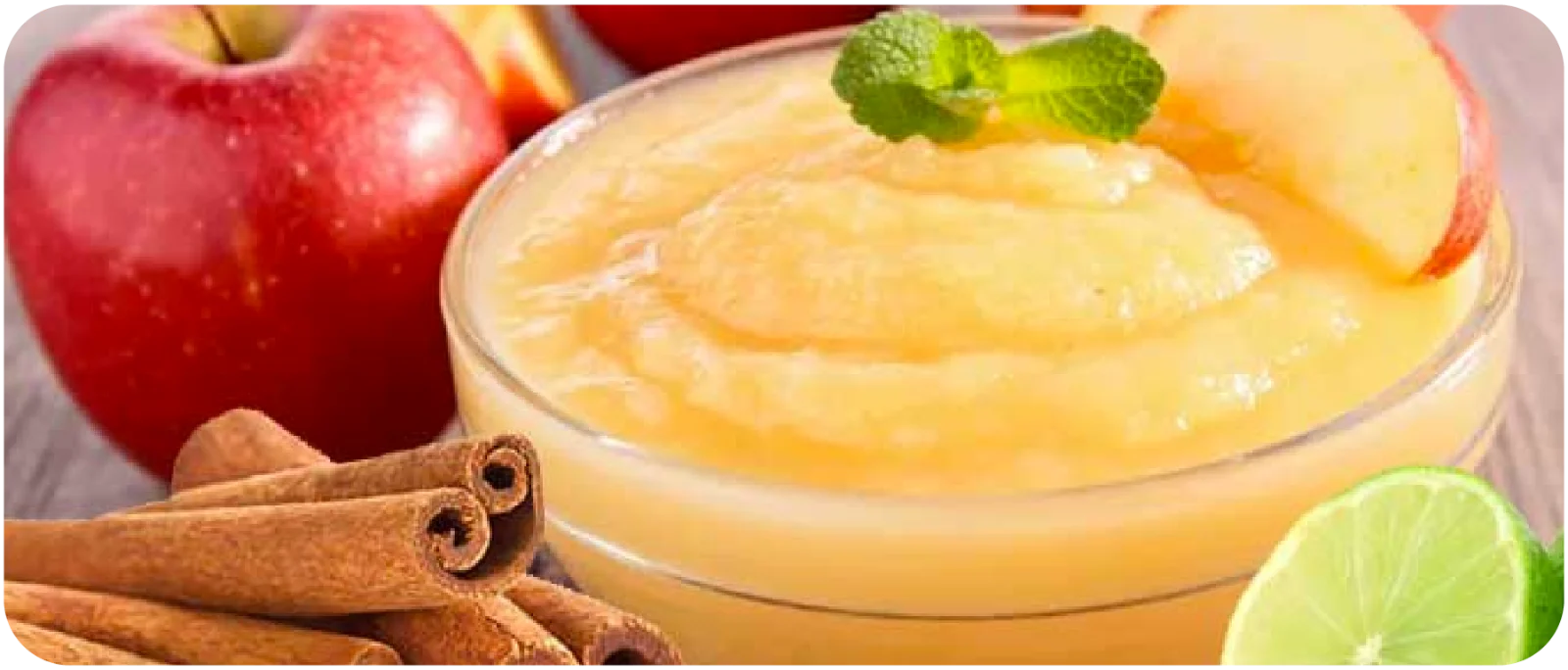
    Apple puree is one of the most traditional side dishes served with Christmas turkey in Peru. Its natural sweetness balances the rich, savory flavor of roasted meat and adds a soft, smooth texture to the meal.

    This puree is usually made with green apples, butter, cinnamon, and sometimes a bit of sugar, depending on the sweetness of the fruit. It is one of those side dishes that many people associate specifically with Christmas, making it feel extra special during the holiday season.

    How to Make Apple Puree

    Apple puree can be made by steaming, baking, or simmering apples on the stove. A simple stovetop method works very well.

    Start by peeling, coring, and cutting the apples into chunks. Place them in a pot with a small amount of water so they can soften gently. Add cinnamon if desired, then cover and simmer for about 15 minutes or until the apples become tender and begin to fall apart. Once cooked, blend them in a food processor or mash them with a fork or potato masher if you prefer a thicker texture.

    Tips for Better Apple Puree

    The type of apple you choose matters. Softer and naturally sweeter apples usually work best for puree. Popular options include Fuji, Golden Delicious, McIntosh, Royal Gala, and Pink Lady.

    You can also customize the flavor with spices such as cinnamon, ginger, vanilla, or star anise. Many people skip added sugar if the apples are already sweet enough, especially when making puree for children.

    Sweet Potato Puree: Creamy, Comforting, and Festive

    Another popular side dish in a Peruvian Christmas dinner is sweet potato puree. If a family wants more variety on the table, or if they prefer a buffet-style dinner, this dish is often included alongside apple puree or in its place.

    Sweet potato puree is creamy, mildly sweet, and incredibly comforting. It is typically prepared with sweet potatoes, butter, sugar, cinnamon, nutmeg, and sometimes orange juice for extra brightness.

    This dish pairs beautifully with turkey and other roasted meats, adding warmth and richness to the holiday meal.

    How to Make Sweet Potato Puree

    To prepare sweet potato puree, peel and cube the sweet potatoes, then steam, boil, or bake them until very soft. Once cooked, blend them in a food processor or mash them until smooth. Add butter, cinnamon, nutmeg, and a little sugar if desired.

    Steaming is often preferred because it preserves both flavor and texture. However, baking can also deepen the sweetness of the potatoes and create a richer taste.

    Storage Tips

    Sweet potato puree stores well in the refrigerator for up to five days. It can also be frozen for several months in an airtight container, making it a practical make-ahead option during the busy holiday season.

    Christmas Salad: A Fresh Balance to a Rich Meal

    A traditional Peruvian Christmas dinner is often rich and hearty, so a fresh salad helps balance the table. One of the most common options is a festive Christmas salad made with fruits, vegetables, and a creamy dressing.

    This salad may include cabbage, carrots, apples, grapes, pineapple, almonds, walnuts, and yogurt or cream-based dressing. The mix of crunchy, sweet, and creamy textures makes it both refreshing and satisfying.

    What makes this salad special is its contrast. It cuts through the heaviness of the turkey, rice, and purees while still feeling festive enough for a holiday meal.

    Christmas Rice: A Flavorful Holiday Favorite

    Christmas rice is another beloved holiday dish in Peru. Though it may sound simple, it is packed with ingredients that give it a rich and celebratory feel.

    This rice dish is commonly prepared with bacon, onion, garlic, cinnamon, nuts such as almonds or pecans, spinach, and colorful peppers. The combination creates a fragrant, savory side that complements roasted meats extremely well.

    Many families look forward to Christmas rice every year because it is not a dish they prepare regularly. It feels special, seasonal, and deeply connected to the holiday atmosphere.

    Panettone: The Sweet Bread Peru Loves at Christmas

    No article about Peruvian Christmas food would be complete without mentioning panettone. Originally from Italy, panettone became deeply rooted in Peruvian Christmas tradition and is now one of the most iconic holiday foods in the country.

    Panettone is a tall, soft sweet bread usually filled with raisins, candied fruit, or dried fruit. It has a light, fluffy texture and a gentle sweetness that makes it perfect for sharing with family and friends.

    Although it is strongly associated with Christmas, many Peruvians enjoy panettone beyond the holiday season as well. During December, however, it becomes almost essential. It is commonly gifted, served at family gatherings, and paired with hot chocolate.

    Tips for Making Panettone

    Making panettone at home requires patience and planning. Since it is a yeast-based bread, the dough needs enough time to rise properly. Measuring ingredients carefully, organizing everything in advance, and following a clear timeline can help make the process easier.

    If you are baking panettone from scratch, it helps to prepare all ingredients ahead of time and work step by step. This bread may take time, but the result is worth it.

    How to Serve and Store Panettone

    Panettone can be sliced thick or thin depending on preference. It is usually served plain, though some people enjoy it lightly toasted or with butter.

    To store it, let it cool completely and wrap it tightly. It can stay fresh for several days at room temperature and can also be frozen for later use.

    Hot Chocolate: The Perfect Christmas Pairing

    In Peru, one of the most cherished Christmas traditions is enjoying a slice of panettone with a hot cup of chocolate. While hot chocolate is not exclusive to Peru, the local cocoa gives it a rich and intense flavor that makes it especially memorable.

    This pairing is a classic part of Christmas Eve and Christmas morning. The warm drink and sweet bread create a comforting combination that many Peruvians associate with family, celebration, and holiday nostalgia.

    Hot chocolate in Peru is often prepared thick, aromatic, and deeply satisfying, making it the perfect finishing touch to a festive meal.

    Other Foods You May Find on a Peruvian Christmas Table

    Although turkey is the most common centerpiece, Christmas menus in Peru can vary from family to family and region to region. Some households may serve roast pork, baked chicken, tamales, or other side dishes depending on local customs and personal preference.

    Desserts and sweets may also appear on the table, especially if the family enjoys a longer late-night celebration. Nuts, candies, fruit, and baked goods are commonly shared after dinner.

    This variety is part of what makes Peruvian Christmas food so special. Each family keeps its own traditions while still honoring the larger spirit of the holiday.

    Peruvian Christmas Food and Cultural Influence

    Peruvian cuisine is famous for its fusion of cultures, and Christmas food reflects that beautifully. The roasted turkey shows European influence. Panettone comes from Italy. Hot chocolate connects to both global holiday traditions and Peru’s own cacao heritage. Ingredients like soy sauce reveal Asian influence, while local fruits, potatoes, and spices keep the dishes rooted in Peruvian identity.

    That blend of cultures is one reason Peru’s holiday food feels so unique. It is festive, comforting, and full of flavor, but it also tells a deeper story about the country’s history and diversity.

    Why You Should Try Peruvian Christmas Food

    Trying Peruvian Christmas food is a wonderful way to experience a different side of holiday tradition. These dishes are not only delicious, but they also reflect togetherness, celebration, and cultural richness.

    Whether you are interested in the roasted turkey, curious about apple and sweet potato purees, or excited to taste panettone with hot chocolate, a Peruvian Christmas menu offers something memorable for everyone.

    It is the kind of meal that leaves you with a full stomach, a warm heart, and a deeper appreciation for how different cultures celebrate the most wonderful time of the year.

    Final Thoughts

    Christmas in Peru is a beautiful celebration of faith, family, and food. From the savory stuffed turkey to the sweet comfort of panettone and hot chocolate, every dish adds something meaningful to the holiday table.

    If you want to add a new culinary tradition to your holiday celebrations, Peruvian Christmas recipes are a wonderful place to start. They are flavorful, festive, and deeply rooted in family tradition.

    By bringing these dishes to your own table, you are not only trying something delicious, but also embracing a holiday experience that is rich in warmth, culture, and joy.

    FAQs About Peruvian Christmas Food

    1. What food do Peruvians eat on Christmas?
    Peruvians usually eat stuffed turkey, apple puree, sweet potato puree, Christmas salad, Christmas rice, panettone, and hot chocolate during Christmas celebrations. These dishes are especially popular on Christmas Eve.

    2. What is the most popular Peruvian Christmas food?
    Stuffed turkey is considered the most popular Peruvian Christmas food. It is often the main dish served at Christmas dinner and is usually prepared with flavorful local seasonings.

    3. When do Peruvians celebrate Christmas dinner?
    Most Peruvian families celebrate Christmas dinner on the night of December 24th. Families gather before midnight, share a large meal, and then exchange gifts once Christmas begins.

    4. Why is panettone popular in Peru at Christmas?
    Panettone became popular in Peru due to Italian influence and is now one of the most traditional Christmas foods in the country. Many families enjoy it with hot chocolate during the holiday season.

    5. What do Peruvians drink at Christmas?
    One of the most common Christmas drinks in Peru is hot chocolate. It is often served with panettone and is considered a classic part of the holiday celebration.

    6. Is Christmas in Peru more important on December 24 or December 25?
    In Peru, the biggest celebration usually happens on December 24th, Christmas Eve. That is when families gather for dinner, prayers, and gift exchanges at midnight.

    7. What side dishes are served with turkey in Peru?
    Popular side dishes include apple puree, sweet potato puree, Christmas salad, and Christmas rice. These sides help create a rich and balanced holiday meal.

    8. What makes Peruvian Christmas food unique?
    Peruvian Christmas food is unique because it combines local ingredients with influences from Spain, Italy, Africa, France, and China. This gives the dishes a special blend of flavors and traditions.

    9. Do all Peruvian families eat turkey at Christmas?
    Turkey is very common, but not every family serves it. Some households may choose roast pork, chicken, or other festive dishes depending on family tradition and personal preference.

    10. Is hot chocolate part of a traditional Peruvian Christmas dinner?
    Yes, hot chocolate is an important part of Christmas in Peru. It is especially enjoyed with panettone and is one of the most loved holiday combinations.

    11. What dessert is common in Peru during Christmas?
    Panettone is the most common Christmas sweet in Peru. Some families may also serve other desserts, fruit, candies, or festive baked goods.

    12. Can I make Peruvian Christmas food at home?
    Yes, many Peruvian Christmas dishes can easily be made at home. Stuffed turkey, purees, Christmas salad, rice, panettone, and hot chocolate are all dishes you can prepare for your own holiday table.

    13. Is Peruvian Christmas food sweet or savory?
    Peruvian Christmas food includes both sweet and savory dishes. The main course and side dishes are usually savory, while panettone and hot chocolate add sweetness to the meal.

    14. What is served after Christmas dinner in Peru?
    After dinner, many families enjoy panettone, hot chocolate, and time together exchanging gifts, talking, and celebrating the holiday.

    15. Why is food so important during Christmas in Peru?
    Food is important because Christmas in Peru is centered around family gatherings, tradition, and sharing. The holiday meal brings everyone together and is one of the most meaningful parts of the celebration.

  • Peruvian Meat Dishes for Meat Lovers: Must-Try Traditional Favorites

    Peruvian Meat Dishes for Meat Lovers: Must-Try Traditional Favorites

    There are two types of people in this world, vegetarians and die hard fans of meat. For the second kind, we should tell you Peruvian food has hundreds of recipes to satisfy your juicy, meaty cravings.


    Peruvian meat dishes are the most looked up online and the most followed recipes. If you’re a fan of Peruvian cuisine and would like to feed your need for meat, keep reading and find out the best recipes for meat lovers. 


    Check out this:  Temporary Eyebrow Removal Oil for Safe & Easy Brow Correction


    The importance of Peruvian meat dishes

    It is said that man being able to cook meat was the beginning of evolution, so it’s easy to think meat runs with every culture in the world.


    In the case of Peruvian cuisine, meat (and particularly llama meat) plays an essential part of its gastronomy.

    All the dishes are completely balanced between meat and vegetables and meat is the main provider of protein. That’s why you can find lots of Peruvian meat dishes to prepare. 


    Lomo Saltado

    Lomo saltado is probably one of the most popular Peruvian meat dishes, it’s internationally known as a national recipe and it satisfies every meat lovers’ cravings.

    This meal perfectly embodies the fantastic cultural mix of Asian and Peruvian Creole cuisine, by including ingredients such as  Sillao Kikko (soy sauce), beef loin, ají amarillo, onion, scallions and peppers and preparing them on a big pan that resembles a wok.

    Lomo Saltado is the perfect filling this that also contains nutritional value thanks to its balanced ingredients. You can read the full recipe to prepare Lomo Saltado clicking here. 

    Peruvian Anticuchos 

    This is one of the Peruvian meat dishes that doubles as the perfect street food or for snacking. Anticuchos are so important in Peru that they even have its own national day.

    Basically, Peruvian Anticuchos are brochettes prepared with some variations of beef combined with Peruvian peppers and some of its most representative spices like ají panca, cumin and oregano.


    Although they were originally prepared with lama meat (which is a little rough and can taste dry), later the recipe was changed to include heart beef or regular beef in squared cuts. 

    Peruvian meat dishes can also be stews

    Not all of Peruvian meat dishes are dry and in big chunks, there are also a lot of delicious and steamy stews to feed not only your belly but also your soul on a cold or ill day. 

    Carapulcra 

    Carapulcra is a very thick and seasoned (yet delicious) Peruvian meat dish, or actually a stew made with charqui. Charqui is known also as jerky, because it’s a dried llama meat with a strong taste.

    As with other Peruvian meals, llama beef is usually replaced with regular beef mainly  because the first one is harder to get and because the taste might not be liked by everyone.

    The other main ingredient of Carapulcra is the papa seca, or freeze-dried potatoes, which also have an exotic taste that combined with peppers, peanuts and red wine end up being a great combination of European and African flavors with a Latin twist. 

    Peruvian Seco

    Peruvian Seco is one of the main elements of what is called Creolle cuisine of Peru (the coastal region of the country), and it’s also the perfect Peruvian meat dish for a cold, cold day.

    This recipe has Arab and Spanish influence from colonial times. Peruvian Seco stew consists mainly of beef chunks, spinach, ají amarillo paste, carrots, peas, peppers and of course potatoes to give it a consistent texture.

    This filling meal is perfect when served with a side of white, fluffy rice. You can prepare it and place it in the oven for a couple of hours, when it’s done you’ll have the most delicious and comforting meal for a cold winter day.  

    As you can see, beef, pork, tripe, llamas and other animals are the main stars of many Peruvian meat dishes that will fill you up and make you strong and healthy.

    Don’t think twice and follow the amazing recipes you read. They are great for many occasions from a cozy day in to a big fancy dinner with many guests you want to impress. 

    Some More Exciting Stuff: Stuffed Toys For kids 


    Pollo a La Brasa

    Pollo, a La Brasa, is a trendy Peruvian dish made of crunchy and succulent charcoal-grilled chicken, usually eaten along with French fries and salads. It is now one of Peru’s most popular food items and is so popular that 27 million Peruvians take it in every day.

    The dish first came into existence in Lima around 1950, the 1950s, when it was only seasoned with salt. However, the chicken is usually marinated in a specific mix of ingredients: vinegar, salt pepper, chili, rosemary, and dark beers.


    Check out: FOCH SALSA PARA TALLARIN SALTADO – 500 CC.


    ORIGINS OF PERUVIAN POLLO A LA BRASA 


    The history of the food is well-documented as it’s a highly recent invention that dates to the late 1940s. And we even have an initial and the last name of Roger Schuler. After emigrating to Peru from Switzerland and settling in the city of Santa Clara, in the countryside, close to the capital city Lima. 

    Lima and began to breed chickens. To earn some extra cash from the farm, the farmer decided to roast some of the birds and then offer them to the public as a buffet at a cost that was very affordable. The idea quickly took off, and he set up an eatery on his farm, La Granja Azul, that is still in operation in the exact location today.

    It’s important to note that Mr. Schuler’s initial chef cooked the chicken on the grill on the spit and turned it manually (for nearly 1 hour!). It was labor-intensive and wasn’t as viable as the restaurant expanded. A friend designed and built an initial Pollo-a-la Brasa chicken oven that rotisserie.

    Slowly other restaurateurs and owners caught the concept. By the late 1990s, there was a real boom in the opening of various establishments and restaurant chains based on the same idea (the earlier discussed polleras).

    Pollo a la Brasa has been firmly established as a cornerstone for Peruvian cuisine and culture. Fast forward to 2019, and it is currently the most sought-after dish in all restaurants in the United States. In polls on the streets, around 70% of respondents claim that they enjoy it when they go to eat at restaurants.

    Many restaurants devote nearly exclusively to this one food item. The skilled chef responsible for roasting and basting the chicken is a specialization called maestro Pollero, meaning loosely “master of the chicken roaster.”

    Aji de Gallina


    A popular dish eaten during cold, rainy days by many Peruvians, Aji de gallina is a hot dish made of shredded chicken in a rich sauce. It is usually served with rice, black olives, and boiling potatoes.

    The sauce is prepared with the aji Amarillo chilis and onions, garlic and walnuts, cheese, and crustless bread. It is usually spiced with spices like pepper, cumin, oregano turmeric, parsley, and cumin.

    The theory is that the dish aji de gallina was derived from a dish known as manjar Blanco. The container comprises almonds, chicken, sugar, and rice. When it arrived in Peru, it was adapted by the Peruvian people to it by using local ingredients such as the aji chili, and the dish was re-created through the process.

    Juane

    Juane is a typical food that originates in the Peruvian jungles. It’s made up of chicken, olives, hard-boiled eggs, and rice seasoned with spices, including turmeric, oregano, and cumin. The mix of the ingredients is then covered in semi-translucent bijao leaves (shaped like banana leaves) and then cooked.

    It is a commonplace to pair the meal with cassava or boiling bananas. Juanes can be found at traditional restaurants, markets, or street vendors. The name Juanes is a reference to the street vendor. Juane It is referred to as St. John the Baptist since the dish is typically consumed on the 24th day of June, the celebration in honor of San Juan (patron saint of the Amazon).

    Check out: HARINA P.A.N. HARINA DE MAÍZ BLANCO 35.27 OZ.


  • Peruvian Cuisine: Aspiring Cultural Heritage

    Peruvian Cuisine: Aspiring Cultural Heritage

    Has it ever happened to you that you try a new meal and feel it’s so good you want to recommend it to everyone you know? Maybe you even loved it so much you think it should be recognized by the entire world?

    That’s exactly how we feel about Peruvian cuisine, and apparently that’s how many people feel. There’s a big movement happening to try to get this amazing Latin American gastronomy awarded. 

    The United Nations Educational, Scientific and Cultural Organization (UNESCO), which comprises cultural aspects of the UN members in order to

    demonstrate and preserve the diversity of heritage, practices and expressions around the world; created in 2010 the “Representative list of the intangible cultural heritage of humanity”.

    UNESCO has a list of 38 elements which are part of its Intangible Cultural Heritage for safeguarding.

    This list has a mix of different cultural elements including dance, music, food and crafting.

    Check out: CUISINART – 12 PC KNIFE SET – MULTICOLOR

    Regarding food, this list includes French gastronomy, Mexican cuisine, Turkish coffee, Croatian gingerbread, Washoku Japan or the Mediterranean Diet which is part of four different countries (Spain, Greece, Italy and Morocco). 

    The Peruvian Cuisine goes back several centuries ago with one of the most precious cultural fusions in the contemporary world.

    It is known not only for the taste but also for its variety and ability to mix and incorporate influences from different times and cultures.

    The history of Peruvian cuisine dates back to the Incas and pre-Incas, later influenced by the Spanish conquerors and the influence of Chinese, Europeans, Indian and Japanese migrants.

    Thus, the Peruvian cuisine is rich and it has a fine combination of flavors from different continents in constant evolution.

    The Peruvian coast alone has more than two thousand different types of soups.

    Then why is Peruvian Cuisine left out of this list? 

    Peruvian Cuisine has experienced a new flourishment in recent years. Ever since the first UNESCO list added Mexican Cuisine and French gastronomy back in 2010 Peruvian chefs have been working hard to get their Cuisine back on top, promoting their culture outside the country and reaching over 2,000 restaurants around the world.

    Read More : Peruvian Breakfast: Food to start the day

    According to Isabel Alvarez, a sociologist and professional cooker from Peru, the main problem with the first attempt was the lack of support and promotion from the government.

    There was a lack of investment in research and proper follow up in comparison to the other contestants. She also pointed out the fact that Peru has been lacking a long term policy that protects the interest of their cultural identity.

    On the other hand, Mariano Valderrama, former representative of the Peruvian gastronomic Association, added that the approach had an error as they tried to include the whole Peruvian Cuisine history as well as the region while Mexican Cuisine was primarily focused on Michoacan, a Mexican state.

    However, the main problem lays within both postures. To be a part of the list is necessary to present more than taste and diversity, having the best dish or the biggest variety is not a synonym of cultural heritage. 

    What is this country doing to achieve Cultural Heritage Status for Peruvian cuisine?

    Peruvian government wants to obtain the UNESCO’s Cultural Heritage Status and has been working in the appliance for this year’s selection according to the foreign affairs minister, Nestor Popolizio.

    Their goal is to achieve the status for the bicentenary of Peru’s independence in 2021.

    Peruvian cuisine is known for being very diverse, fresh and full of flavors. In order to fulfill its purpose, Peru is planning to champion ceviche, a fresh raw fish cured in lime juice, onions, salt and yellow chili peppers (click here to learn the full recipe for ceviche).

    Ceviche is the most representative dish of Peruvian cuisine according to an Ipsos report that established that most of the population recognizes it as the national dish.

    So, the next time you feel like enjoying a tasty meal from Peruvian cuisine, think of all the effort that is being made to give it the international recognition it surely deserves.

    Although it might not seem like you can do a lot to help Peru achieve its goal, remember that spreading the word about the delicious Peruvian flavors can do wonders! 

    Check out: EMERALD 2.1QT AIR FRYER – BLACK


    Peruvian Food is a unique cuisine that differs in its ingredients, but what makes Peruvian Food so unique? Due to the various components available in Peru, Peruvian Food is very distinctive. Peruvian Food’s outstanding quality stems from the influence of several distinct cultures on its Cuisine and the tremendous selection of Peruvian recipes.

    Allow me to explain in more depth why, in my view, Peruvian Cuisine possesses particular qualities that can’t be compared to those of other foods.

    The diversity and abundance of Peruvian Ingredients

    In Perú, there are three distinct regions :

    • The Coast
    • The Andean and
    • The Jungle

    Each of these regions has particular components used to generate Peruvian Cuisine’s distinct tastes and textures. As a result, each area has what kind of its unique dishes and ingredients. For example, the Peruvian coasts have numerous species of fish resources used to create mouth-watering seafood dishes. Such as ceviches, therapeutic strategies for ulcerative colitis are raw or dry with salt.

    Only As part of our culinary record, we have a special kind of lemon only to be found in God. This ingredient accounts for the background of many of your favorite dishes like causa, ceviche, and tiradito. One of the best critical ingredients of Peruvian Cuisine is the aji Amarillo, known as aji escabeche.

    This kind of pepper generally grows in Peru and is very popular in famous regional dishes of Peruvian Cuisine. It tastes sweet and spicy and is popular among Peruvians. House of Lomo Saltado, Dish of Escabeche, or Stew wouldn’t be the same without Aji Amarillo.

    Aji Amarillo

    Peruvian cuisine is influenced by the Andes, which includes many vital ingredients that contribute several essential elements to Peruvian Cuisine. For example, it contains over a thousand varieties of potatoes, the peculiar Peruvian corn (looks different from all others), sweet potato (orange and purple versions both), quinoa, oca, kiwicha, and so forth.

    Peruvian stew and other traditional meats are also found in the Andean region of the Peruvian city of Peruolin. But we still love lamb in Per. All in all, there are many fabulous foods you don’t see in western Cuisine but which can still be eaten there, including alpaca and guinea pig.

    Peruvian Potatoes

    The Peruvian jungle adds an exotic touch to the Food of Peru. On the opposite side, there is a wide variety of vegetables and fruits, including Camu Camu, aguaje, or chonta. We can also view unique and less well-known animals such as the paiche and giant snails that the locals of the Andina region use to prepare healthy Food and meals.

    We could list several other ingredients that Perú produces, but the list would be too extensive to include in this article. So now I know about the endless assortment of Peruvian ingredients that have contributed so much to Peruvian Cuisine.

  • The best Peruvian desserts

    The best Peruvian desserts

    Everyone is familiar with the most amazing dishes, stews and roasts with the flavors of Peru.

    They enchant every pallet with its rich species that derive from many different cultures. But you probably don’t know the huge variety of Peruvian desserts that exists.

    Peru definitely has a sweet tooth and knows how to satisfy this craving. Check out some of Peru’s most popular desserts. 


    Peruvian desserts with fruit: Mazamorra Morada

    With a varied weather that can go from extra hot in summer time to freezing in winter, people in Lima have grown accustomed to prepare delicious Peruvian desserts with a warm and comforting flavor.

    Mazamorra morada is a Limeñan dessert with a jelly- like texture that can be enjoyed all year round but people like it, especially on cold months.

    This dessert is unique because of its exotic flavors, the base is Peru’s purple corn and has hints of cinnamon, clove, pineapple, cherry, peach, apricot and many other options of fresh and dried fruits.

    This mixture is then thickened by using sweet potato flour. One of the most original Peruvian desserts without a doubt. 

    Picarones 

    Not only one of the best Peruvian desserts, this is a best seller for street vendors. Picarones could be considered the equivalent of a doughnut, with a sweet, sticky and dripping consistency.

    Picarones are made from sweet potato flour and fried for a couple of minutes until they reach a golden color and crisp texture. After being fried, they are topped with honey, cinnamon, essence of orange and other sweet spices.

    This dessert can also be the perfect treat or snack, you can have them for dinner with a glass of milk or as the perfect ending of a huge meal. Find the delicious Picarones doughnut mix ready to prepare here. 

    Check out: INCA’S FOOD – FROZEN CAIGUA X 4 UNITS.

    Alfajores with Manjar blanco

    Alfajores are definitely one of the most popular Peruvian desserts, and their popularity extends all over Latin America. Alfajores are a type of ultra soft round cookies made from corn flour, they are so crumbly that they resemble buttermilk cookies.

    You take two of these soft cookies and “glue” them together with manjar blanco, a sweet caramel and milk cream, and sprinkled completely with powdered sugar. You can find alfajores almost anywhere in Peru, or you can make them and enjoy them fresh. Their taste is a little dry but  super sweet, so they go great with coffee or milk. 

    Peruvian desserts for parties: Pionono

    Pionono is one of the most decadent Peruvian desserts, some people say it’s a different version of the jelly roll cake. This addictive cake is typically filled with manjar blanco, but it can also go with fruit filling or even whipped cream. And it’s precisely its manjar blanco (the caramel and milk cream we mentioned before) what gives this dessert a Peruvian twist. 

    You can make this recipe yourself since it’s so simple. Bake a standard cake on a baking sheet, it will result in a very slim and long cake. When it’s done spread manjar blanco all over it and roll it up. You can serve it as the perfect dessert for a party or dinner. 

    Leche Asada (Peruvian roasted milk custard)

    This one of the most ancient Peruvian desserts, prepared as early as Colonial times by the people of Peru.

    Leche Asada is considered as a low budget version of the Crème Brûlée because it shares the same technique and almost the same ingredients. Leche Asada leaves you with a sweet yet simple flavor on your mouth after enjoying it.

    The classic Leche Asada recipe requires whole milk, eggs, sugar, vanilla and cinnamon; although some modern recipes include condensed milk or evaporated milk for fluffier texture.

    Despite what you might think because of its taste and its brown burned top, Leche Asada does not require caramel. You can serve it cold or warm in individual glasses. 

    These are only a few examples of what Peruvian desserts have to offer, all of them have a little bit of Peruvian heart in them and your mouth will be watering since you start making them.

    Try out each one of these recipes and experiment with your favourite ingredients, they’ll be perfect for a hungry afternoon or to wow your dinner guests.

    There are endless possibilities when it comes to desserts in Peru. Whether you’re a sweet tooth or looking for something unusual, there’s sure to be a delicious treat to tempt you. Here are six of the best Peruvian desserts:


    1. Churros: These crispy, deep-fried doughnuts are commonly found in street carts and restaurants throughout Peru. They’re usually filled with various flavors, including chocolate and pandan flavors.

    2. Mote con Tema de nuevo (Milk yolk cake) This is a sweet and simple cake made from milk, eggs, and sugar. It’s not quite as sweet as typical cakes and can be served with or without the marzipan layer.

    3. Mate de coca (Coca leaf tea) This bitter, milky tea is made from the leaves of coca plants. There are several methods for preparing it, but the most popular way is to boil the leaves and add sugar to make a sweetened mate.

    4. Chicha (corn beer) A local drink similar to beer but made from corn and often flavored with fruit or spices, it is a cheap, filling way to quench the thirst of farms and workers in the highlands.

    5. Queso Blanco (white cheese) Once a staple of the Peruvian diet, queso Blanco is now produced mainly for export and is often made from imported milk and other dairy products.

     Check out: D’ONOFRIO BONBONS BOMBONES X 72 ML.

     What makes Peruvian desserts so unique? 


    Many Peru tourists are familiar with the country’s spicy, hearty dishes. But for those who enjoy sweet treats, there is much to love about the Peruvian dessert repertoire. From chicha Morada – an ear of purple corn drink popular in the Andean region – to ice cream made from fresh fruits and nuts, these delicacies offer unique flavors and textures that are hard to find elsewhere.

    Add in traditional desserts like a guinea pig (a kind of turnover filled with sweetened condensed milk), cruller (pastries filled with nuts or chocolate), and Torres (pumpkin desserts), and you have a recipe for an unforgettable trip to Peru.


    The Classic Desserts: Flan, Tres Leches Cake, Pisco Sours

    There’s something undeniably special about desserts from Peru. Whether the creamy, fluffy pies and tarts filled with sweetened condensed milk or the dense and chocolaty puddings, they all come together to form a memorable experience. And while many Peruvian desserts are pretty complex in flavor, a few are perfect for beginners. Try out one of these simple favorites for an unforgettable dessert experience. Sweet Potato Pudding, Mate de Coca, Pollo al Horno

     Check out: Peruvian Food

    Sweet and Savory Snacks: Choclo Porridge, Arequipe Chips

    Snacks have always been a part of life. From sweet to savory, they can satisfy any hunger. This article will discuss some of the best sweet and savory snacks that are perfect for any occasion.

    First up is choclo porridge. This popular snack is made from cornmeal, milk, sugar, and butter. It is smooth and creamy with a hint of sweetness and can be served warm or cold. Arequipe chips are also a delicious savory snack option. These chips are made from corn, vegetable oil, and salt, providing a crispy and salty taste that goes well with spicy sauces or dips.

    Arequipa is the perfect place to start a tour in Peru, as it has many historic sites, including churches and the La Recoleta Cemetery. The city is also trendy for its food and cuisine, with many restaurants and street vendors serving traditional Peruvian dishes. In addition, Arequipa is the gateway to the Colca Canyon and the Colca Valley.


    Cappuccino Crème Brûlée with Caramelized Bananas 

    This recipe for cappuccino creme brulee is a creamy and indulgent way to enjoy your morning coffee. The caramelized bananas add sweetness and depth of flavor to the dish, while the espresso provides a delicious background contrast. This recipe is easy to make and will impress your friends and family.

    Cappuccino creme brulee This is the best recipe I have ever used. My family loved it. I added a little extra cream and milk, and it was still prosperous and delicious. The Brulee on top was amazing!

    This is the best recipe I have ever used. My family loved it. I added less sugar and used skim milk instead of whole milk to make it a creme brulee type dessert.

     Check out: D’ONOFRIO HELADO COPA K-BANA X 103 ML.

    Gelato Favorites: Raspberry, Peach, Piña Colada

    Gelato is a famous Italian ice cream that can be made with any flavor or combination. Some popular gelato flavors are raspberry, peach, piña colada, and strawberry cheesecake. Many people enjoy trying different gelato flavors to find their favourite. Some people prefer the more tart flavors, while others prefer the sweeter flavours. Whatever your favourite gelato flavor may be, there is sure to be a flavor out there that you will love.

    The recipe for this Gelato is the same as my other super simple ice cream recipes. You can find all of my fabulous simple ice cream recipes here! I have tried different flavours of Gelato and have found that there are many different ones out there to try.

  • Recipe: Peruvian Canchita

    Recipe: Peruvian Canchita

    Snacks are the perfect solution to satisfy any late night cravings, and thankfully Peruvian snacks can be both mouth-watering and natural origin, which makes them a healthier choice.

    Peruvian canchita is the perfect example of these healthier-choice snacks. In Peru it’s very common to find street vendors offering this delicious meaty kernels roasted in bags and ready to eat. 

    Sims 4 Challenges

    But if you’re in the mood for something “puffier” rather than roasted, then popped Peruvian canchita es exactly what you need in your life.

    When the chulpe corn kernels start to pop, their tough texture slowly becomes a crunchy yet delicious taste. Get to know a bit more about this snack perfect for happy hour and what is exactly the origin of this corn. 

    Read More About : Peruvian ceviche

    Before you try this incredible and addictive treat, here are some things you should know about Peruvian canchita.

    It can be considered like some kind of popcorn, and it comes from an exotic variety of corn called maíz chulpe or maíz cancha chulpe, grown mainly in the Andean region of Peru.

    This type of corn is very sought and enjoyed like a Peruvian snack, but if you can’t find it the American version (or what comes closer to it) are corn nuts. 

    Canchita kernels have pointy, dried ends, and they also pop when heated, similar to popcorn.

    But unlike popcorn, the canchita kernels don’t burst inside out and puff up. instead of that, canchita corn gets a lot less puffy and a lot more roasted. Kind of like corn nuts.

    It also has a starchy taste that mixed with salt is delicious. Peruvian canchita is a super easy and quick snack to prepare.

    With just 3 ingredients and the right kind of corn you can make it for a movie night. Find different types of Cancha corn in  here. This recipe serves 6 servings as appetizers. 

    Ingredients for Peruvian Canchita or Cancha

    • ¼ cup of vegetable oil, canola oil or olive oil.
    • 2 cups of Peruvian canchita corn kernels  (chulpe corn) (You can get it here)
    • 1 teaspoon of regular/sea salt or 2 teaspoons of Kosher salt 
    • Skillet or pot 

    Preparation

    • Take a large, deep pot or skillet and place the oil in it to heat it over medium heat, let it heat for about 2 minutes. 
    • Add the Peruvian canchita in the skillet and cover it well with oil. Reduce the heat to low.
    • Cover the pot or skillet as if it were regular popcorn. Shake the pan regularly from time to time to keep the canchita from burning and sticking to the bottom of the skillet.
    • The Peruvian canchita will begin to pop without turning inside out like regular popcorn, and it will turn a brown golden color. 
    • Cover the skillet or pot with a lid so that the canchita kernels don’t fly out of the skillet while popping. The popping process will take from 7 to 10 minutes, once the popping stops you’ll know the canchitas are ready.  
    • Remove the canchita from the skillet and drain it on a platter lined with paper towel if you wish to remove excess oil. 
    • Season the Peruvian canchita by tossing salt evenly on the kernels. Remember to do this while the canchita is still hot/warm to really impregnate it. 
    • Serve warm or at room temperature.
    • Remember to store your canchita in an air-tight container. 

    Check out: FOCH SALSA PARA TALLARIN SALTADO

    There you go! The easiest three ingredient recipe for a very addictive snack. Peruvian canchita is perfect to serve on a huge bowl and share it on a cozy movie night, you can prepare it as a quick snack for drinks night because it goes great with a cold beer or some exotic cocktails.

    Another unexpected way to enjoy Peruvian canchita is to serve it alongside ceviche, it really highlights the zesty taste of the fish. 

    With a recipe this simple, the only thing left to do is run to the kitchen, gather the ingredients and start heating up your pan.

    The most addictive of snacks is just a couple of minutes away and it’s ready to make your night of binge-watching Netflix much more fun!

    This simple three-ingredient recipe for Peruvian cancha is a popular snack in the Andean countries, often served with ceviche or as a table side snack at a restaurant. The word concha means “toasted corn,” and it is common to find similar recipe variations in Ecuador and other South American countries.

    Cancha is a kind of popcorn, but it’s made from maize couple corn instead of accurate popcorn kernels. The spicy, dried seeds pop when heated and may even jump into an open skillet, but only the kernels’ interiors burst and puff up, as opposed to the crunchy popcorn shells.

    Perhaps cancha corn minimally differs from regular popcorn: Cha corn is slightly wet and gets a little toastier than corn nuts. However, it has a starchy taste that is quite addictive.

    This Peruvian corn is featured in Latin American grocery stores and can be ordered online. Then, you must pour a little vegetable oil, some salt, and a little cooking oil into a skillet, and your meal is done.

    Check out : Baby Sloth Stuffed Animal – Plush Sloth Toy

  • Recipes: Peruvian Ceviche

    Recipes: Peruvian Ceviche

    It’s no secret that Peruvian food, as a well respected Latin American cuisine, is filled with choices to eat for every mood, occasion and even weather.

    One of the best dishes to eat on a hot day is a deliciously fresh Peruvian ceviche.  You can make it with fish, shellfish, shrimps, mixed and they are all a zest fest for your palate.

    So if you’d like to welcome one of the best Peruvian recipes ever invented to your home, keep on reading!

    Sims 4 Challenges

    Important things to know about Peruvian Ceviche

    Before you start making one of the most fresh and delicious recipes of all Peruvian food, there are some aspects you need to know. This because you are dealing with delicate ingredients which, if prepared incorrectly, could cause harm to your health.

    The absolute best types of fish you  can use to make the perfect Peruvian ceviche are hake or grouper cut in filets.

    You can try using other types as long as the one you choose is completely fresh, with no weird smells and no spines.

    You can’t cook Peruvian ceviche using frozen fillets, so try to buy the fish the very same day you’re cooking it.

    Another important aspect of this dish is that you must NEVER let the fish macerate or “cook” in the lemon juice for more than 10 minutes, no matter what you hear or read it’s a huge mistake that cannot happen in Peruvian cuisine.

    The best and average time to macerate it is 5 minutes and right to eating it.

    Along with the right type of fish, the Peruvian aji es, without a doubt, the star of this recipe.

    It’s important that you remove correctly the central part of the ají because that’s where most of it’s spice comes from.

    Some people choose to add some aji paste to the mix and that usually adds up a great and stronger taste.

    Read More: VEGAN PERUVIAN RECIPES

    Ingredients for Peruvian Ceviche:

    • 2 hake or grouper fillets
    • 1 Peruvian yellow ají
    • 1 large lime
    • 1 medium purple onion
    • Fresh coriander or cilantro
    • Salt to taste 

    Side dish and side treats for the Peruvian Ceviche:

    • 1 cup of yellow corn
    • 1 pink yam or sweet potato
    • Corn, potatoes or banana chips or nachos

    Preparation: 

    • The first step to make Peruvian ceviche is to slice very thinly the purple onion and put it in water for about 10 minutes. This is a very important trick that helps minimize the strong smell and flavour of any type of onion.
    • Slice the yellow ají in thin slices, be very careful not to leave any seeds or even veins in the ají, because that’s where the spiciest flavour comes from.
    • Clean thoroughly the fish you chose and chop it in ½ inch dices, they don’t have to be perfect but try to make them all the same size.
    • Chop the coriander or cilantro very finely. (You can also try some cilantro sauce to make the dish juicier)
    • If you want to make one of the recommended side dishes, boil the yams or sweet potatoes after peeling them well, wait until they are tender and keep set aside.

    These steps you just read are the main preparation for the ingredients you’ll mix up for your Peruvian ceviche, now you can begin putting everything together.

    • Mix the fish, purple onion, coriander and a dash of salt in a bowl big enough to fit and mix your ingredients comfortably.
    • Right after mixing add the lime juice and keep mixing.
    • Try to serve your Peruvian ceviche 10 minutes at the most after adding the lemon juice, remember the idea is not to let it “overcook” with the acid of the juice.
    • To get a nice presentation for your dish, serve it with slices of yams and yellow corn on the side. You can also put them apart on the table and let people serve them if they wish.
    • Try scooping your delicious Peruvian ceviche with the corn, potatoes or banana chips or nachos. It’ll taste great!

    After you finish your delicious Peruvian ceviche, you’ll notice a white liquid left in the bowl or plate; it’s called “Leche de Tigre” or “tiger’s milk”.

    This liquid is nothing but the juices of each and every ingredient and it tastes delicious.

    You can drink it after you’re finished eating or even pour it on shot glasses with an alcoholic beverage such as Pisco.

    Read More: 5 DELICIOUS RECIPES WITH PERUVIAN CHOCLO


    Peruvian Ceviche: The Perfect Summer Appetizer

    How well am I starting summer by summertime, making mouth-watering Ceviche with my recipe based on Peruvian Ceviche?

    This low-fat fish preparatory recipe is best for the summer months? It's my number-one go-to preparation that I've always enjoyed; Indiana University Bloomington is where I make most of it in my free time.

    In addition to being a favorite appetizer on any hot day, Peruvian Ceviche is a great summertime meal you can whip up at home in a jiffy.

    Follow this uncomplicated recipe, and you will get a delicious ceviche full of refreshing citrus flavors suitable for an afternoon picnic or a day out by the pool.

    What Is Ceviche Or Seviche?

    Ceviche (pronounced seh-vee-Cheh ) is a great seafood dish made from shellfish marinated in lime juice or cubed raw fish, orange juice, or a mixture of all three. The large amounts of citrus juice cook it, making it an essential type of seafood to use high-quality, fresh fish to prepare.

    Similar to the Island of Fish, Ceviche is a citrus-based seafood cottage. Intense, extraordinary herbal flavors highlight the simpleness of the low-calorie, low-carb recipe.

    Along the trunk of Latin America, you can find a variety of versions of this Ceviche, like Guatemalan shrimp ceviche, a mixture of seafood with incredible tastes, tastes, and colors. It's a healthy and balanced dinner option that makes a great accompaniment to a barbecue or a light snack.

    What Are The Ingredients For Peruvian Fish Ceviche?

    However, not all Ceviches are exactly made with seafood (such as Ceviche de Criadillas and Mushroom Ceviche); the classic Peruvian Ceviche features at least one fish ingredient in its list of main ingredients.

    In addition, fresh veggies such as red onions, chili peppers, and cilantro round out the summer recipe. To make these dishes, you'll need to marinate all the ingredients in a citrusy marinade named Leche de Tigre, so lemon juice should be freshly squeezed.

    You will typically serve it cold, sometimes over a bed of lettuce leaves or fresh herbs seasoned with salt and pepper. Based on the region or country, ingredients can change. Seviche is typical in many Latin American countries, including Mexico and Guatemala.

    Check Out: MAGGI BRASA X 45 GR.

    What Is The Best Fish For Ceviche?

    The ideal choice for preparing Ceviche would be white, lean fish such as catfish, grouper, halibut, mahi-mahi, or flounder. I chose cod for my recipe for Peruvian Ceviche, but ask your seafood vendor for recommendations if you are unsure which one to choose.

    While it is tempting to use your hottest cold-water fish for your summertime appetizer, take the freshest fish that was still swimming in open water yesterday.

    You can also add it to your fish (in small doses), but without the sauce, it would be best to speak with a firm or semi-firm fish because the resulting acid will soften its consistency. This way, when you're finished with the preparation process of this healthy food, you won't end up with any mushiness.

    What To Serve With Peruvian Fish Ceviche?

    This refreshing Peruvian Ceviche makes for a tasty summertime dish as an appetizer or main course. I love to serve it with a white sauce, such as tahini, garlic capers, or ripe avocado, alongside plantain chips, tortilla chips, or flatbread.

    Traditionally, Peruvian Ceviche or seviche is served with diced and steamed sweet potato, boiled choclo or corn, cancha corn, or Andean-style corn nuts.

    I think beer is a great food to choose from with chilled cold meats like Ceviche on a hot summer day. This is because Peruvian Ceviche is one of my favorite chilled foods.


    Check Out: 2 BANDERAS ADEREZO PARA POLLO A LA BRASA

  • Vegan Peruvian recipes that you’ll want to try

    Vegan Peruvian recipes that you’ll want to try

    Nowadays it’s more common to find restaurants, stores and even recipe books specialised for vegans.

    Having dietary limitations doesn’t mean you can’t enjoy the same flavors that meat based dishes have. And if you like exotic food from Peru this might mean a challenge, but not anymore!

    We took the time to find the best vegan Peruvian recipes that you can prepare at home with simple ingredients, once you try them all you’ll add them to your regular meals. 

    Peruvian Quinoa Stew


    Like any good stew, this vegan Peruvian recipe manages to fill your belly and satisfy your cravings.

    Peruvian quinoa stew ingredients are super easy to get. With a bit of onion, garlic, celery, carrots, peppers, carrots, zucchini, tomatoes and lots of the best Peruvian seasonings like ají amarillo paste; the only thing that can bring out the flavor in this mix is the healthy and delicious quinoa.

    This quick meal can be prepared in no time and left to cook for about 15 minutes, when you finish placing the table your stew will be hot and ready to be devoured. Who said vegan Peruvian recipes have to be complicated?   

    Zesty vegan Peruvian recipes: Ceviche de Mango (Mango Ceviche)

    Not because the main star of a dish is meat (or in this case, seafood) it means it’s the only way to eat it.

    The deliciousness of ceviche can be enjoyed thanks to none other than mango! Replace fish and any seafood with this fresh, exotic fruit mixed with chopped onion, lime juice, cilantro and some fine chilli to add some spice.

    The lightness and zest of this recipe is perfect for an entree or a light dinner.

    Arroz Tapado

    Arroz Tapado is without a doubt one of the most popular dishes in and outside of Peru.

    While the original recipe es pretty popular and filled with flavor, vegans don’t have to miss out on the amazing ingredients found in it.

    Normally, Arroz Tapado consists of meat over a bed of rice, then it’s covered with more rice and seasoned with cilantro and onion.

    To turn this into a vegan Peruvian recipe the only thing you need to do is to replace the meat with cooked mushrooms, you can season them like you would do with the meat or you can cook them to taste.

    Some people also like to add boiled eggs to the recipe but if you don’t eat them it can just go with ‘shrooms. 

    Check out:  AJI ROCOTO PEPPER

    ‘Lomo’ Saltado Risotto

    There are two main changes in this recipe in comparison to the original (which, if you’d like to learn, you can find it here).

    Traditionally Lomo Saltado is made up of beef loin cooked with several ingredients such as potatoes, tomatoes, ají amarillo paste, onion and Sillao Kikko (soy sauce) and it’s served with a side of white fluffy rice and french fries.

    Now, as the title tells you, this is not only a delicious vegan Peruvian recipe, it traded the side of rice for a creamy and mouth-watering risotto.

    Instead of being meat based, this recipe becomes a “fake Lomo” with a little help from portobello mushrooms. 

    Sims 4 Challenges

    Vegan Peruvian recipes for Tamalitos Verdes

    Tamales are an absolute delight all over Latin America, they are enjoyed filled with chicken, pork meat of beef. But just because you’re a vegan doesn’t mean you can’t enjoy the addictive taste of Tamalitos Verdes.

    This is one of the vegan Peruvian recipes that takes a while to prepare, but we assure you it’s worth every minute.

    The main ingredients of Tamalitos Verdes are corn grains, cilantro leaves or cilantro paste (which you can get here), onion and fresh, dry corn leaves to wrap the tamales. If you want to check the full recipe click here. 

    Vegan Papa a la Huancaina

    It’s very likely you’ve heard of Papa a la Huancaina. It is considered one of the most popular dishes in Peru; and although it has no meat in it, it does have a creamy, gooey cheese sauce dripped all it’s boiled potatoes.

    Creating vegan Peruvian recipes can be as simple as preparing a sauce that instead of cheese has seeds, vegetables and other spices. Vegan Papa a la Huancaína has nothing on other decadent, creamy Peruvian dishes! 

    There you have it, some of the most popular vegan Peruvian recipes (that actually turn out to be the most popular Peruvian recipes altogether). Give them a try and make some adjustments to the recipes as you like!


    Vegan Peruvian recipes are some of the most delicious and nutritious you’ll ever taste. These dishes are full of flavor and perfect for anyone looking to create a vegan diet that is both healthy and delicious. Whether you’re new to veganism or want to explore some new recipes, these Vegan Peruvian dishes will be sure to please.

    Check out: Peruvian Food

    Ceviche Recipe 

    In Peru, ceviche is more than a dish – it’s a way of life. This popular seafood dish is made by marinating raw fish in citrus juices, and the acid “cooks” the fish. Ceviche is typically served with fresh herbs, onions, and peppers and is a delicious and healthy appetizer or main course.

    Ceviche is the most popular seafood dish that originates from Peru. The container comprises raw fish or seafood “cooked” by being marinated in citrus juices. Ceviche is served with onions, tomatoes, and sometimes cilantro. It is made by marinating raw fish previously prepared with citrus juices (typically lemon juice and lime), herbs, onions, and peppers.

    Aji de Gallina

    Originating in the Andes Mountains of Peru, Aji de gallina is a spicy chicken dish popular all over South America. The word is made with shredded, cooked chicken mixed with a creamy, yellow sauce made from Peruvian ají Amarillo peppers, milk, Parmesan cheese, and bread crumbs. Aji de gallina is often served with rice and potatoes.

    The Peruvian recipe for aji de gallina is similar to other dishes made from the same ingredients — chicken, cheese, and a creamy sauce. The ajó Amarillo pepper is a scorching chili pepper that grows in the mountains of Peru.


    Check out: INCA’S FOOD AJI MIRASOL 7.5 OZ.

    Papa a la Huancaína 

    Papa a la Huanca is a traditional Peruvian stew with beef heart, tripe, and blood. It is typically served with potatoes, rice, and aji Amarillo sauce. The dish is believed to have originated in the Huanca region of Peru. In the Huanca Region of Peru, the word is “Papa a la Huanca” or “Papa a la Chola.” It is lot to be believed to have originated in the city of Huancayo.

    Benefits of Papa a la Huancaína 

    Papa a la Huanca is a traditional Peruvian dish with boiled potatoes, served with a Huancaína sauce. This dish has many benefits, including high protein and fiber and low fat and calories. Papa a la Huanca is also a great source of vitamins C, B6, and potassium.

    This dish is also made with potatoes and yuca. Huanca na is a typical Peruvian sauce with onion, garlic, chile pepper, and other spices. Huanca na is served with papas a la huanca and other dishes such as ceviche or carne asada.

    Lomo Saltado 

    Lomo saltado is a dish that originated in Peru and is made with sliced beef, onions, tomatoes, and french fries. The meat is usually marinated in soy sauce and garlic before being cooked. The dish is traditionally served with rice and can be garnished with either parsley or cilantro.

    This dish was a staple in my home growing up. I loved it because it was easy to make and cooked in only 20 minutes. My mom would make the beef, add the sauce and cook the onions, then mix everything before throwing in the sliced potatoes and french fries.


    Check out: ARE YOU LOOKING FOR PERUVIAN FOOD NEAR YOU?

    Arroz con Pollo 

    Arroz con pollo is a dish that originated in Spain but has become popular worldwide. It is made with rice, chicken, and vegetables and can be served either as a main course or as a side dish. Arroz con pollo is a healthy, hearty meal that is both easy and affordable to prepare.

    It combines traditional Italian chicken and rice casserole flavors with a few Spanish twists.

    This recipe is vegetarian, so it can be enjoyed by those who follow a vegan diet. It is also gluten-free, but you will need to use gluten-free flour. This dish is also shallow in fat, so it is an excellent option for those on a diet.

  • Recipe: Peruvian Cuy (Guinea Pig)

    Recipe: Peruvian Cuy (Guinea Pig)

    Coming right from the Andean region of the country, there’s a quirky dish with a huge Afro-Peruvian influence.

    And although it’s a recipe that can also be found in countries like Ecuador, Colombia and Bolivia, Peruvian cuy is a culinary delicacy ready to be enjoyed.

    With its soft texture and spicy texture, guinea pig is very high in protein and low in fat and cholesterol; it has a flavor similar to rabbit. 


    Peruvian cuy (which by the way is named after the sound the animal makes: “kwee”) can be cooked in two different ways:

    Cuy chactado, which means deep-fried with spices; and cuy al horno, which is roasted and served on a stick. We will concentrate on the most known Peruvian cuy chactado. 


    Check out: LOS ANDES FOODS TEQUEÑOS STD P.C. 12 UNID.

    Why is Peruvian cuy so popular?

    You might be wondering “Why do people enjoy Peruvian cuy so much? What is so special about it?” and well, we know it’s hard to understand how this tiny animal can become your meal. 

    Like any other country, Peru has some super exotic dishes that might not be as common as the rest, but it’s still a part of its culture. 

    Peruvian cuy or guinea pig is a meal that is cooked, served and enjoyed mostly on special occasions, or in fancy restaurants ready for adventurous eaters out there.

    If you consider yourself one of those people, keep reading to learn the recipe for Peruvian cuy, a dish typically served with salad and its traditional potatoes. 


    Ingredients for Peruvian Cuy

    • 4 large cuys (also called guinea pigs)
    • 1 clove of garlic full or one tablespoon minced or chopped garlic
    • 2 green or yellow peppers
    • 2 tablespoons of ají panca paste. (You can find it here)
    • 2 tablespoons of ají amarillo paste. (You can find it here)
    • 8 big yellow potatoes boiled and skinned
    • Guinea pigs’ hearts, livers, thoroughly cleaned. (Some recipes also use the cuy’s intestines)
    • 4 hard-boiled eggs
    • 10 scallions
    • 1 tablespoon of crushed and roasted peanuts
    • 1 cup of cooking vegetable oil or margarine
    • 1 ½ teaspoons of cumin powder
    • 1 ½ teaspoon of salt

    Preparation

    • Take the Peruvian cuy or guinea pigs and cut them or quarter them with a big knife. Some people prefer to serve it complete, it’s up to you. Add salt, pepper, cumin and pepper to season the meat. Let it rest for a while.
    • Put some vegetable oil in a pan and turn the fire on high. Put the guinea pig pieces in and fry them until they turn a golden brown color and reach a crispy but not hard texture. Place the meat aside in a warm plate. 
    • In a separate pot, boil the potatoes and peel them. 
    • Take a big skillet and add a bit of vegetable oil. Put the garlic, ají panca, ají amarillo, peppers over high heat and let it cook for a couple of minutes, maximum 5 minutes.
    • Make sure to never stop mixing and scraping the mix to stop it from sticking to the skillet. The mix should reach a nice golden brown color. Set them aside and leave the skillet free for later.
    • Chop the scallions, separating the white bulbs from the green stalks.
    • Add the scallions finely chopped into the skillet with some more cumin.
    • In a separate pan with a bit of oil, place the hearts and livers of the guinea pigs with crushed peanuts. When the meat is fully cooked place it in a food processor or blender and liquefy it. 
    • Take this liver and hearts mix and combine it with the garlic, ají and peppers mix in the skillet once more. 
    • Take the boiled and peeled potatoes and slice them in thick slices. Place them over the plate like a bed. 
    • Placed the cooked (fried) Peruvian cuy in pieces over the bed of sliced potatoes. Drizzle the sauce over the meat and potatoes.
    • Let the dish rest for 10 minutes and serve.


    Check out: INCA’S FOOD CANNED YELLOW HOT PEPPER


    Who said you need to travel the world to try the most amazing and exotic dishes? Gather your ingredients, follow our recipe and enjoy this mouth-watering Peruvian dish on a family dinner. Discover the truly delicious taste that Peruvian cuy hides in every bite.


  • What You Should Know About Huacatay: A Strong, Aromatic Herb

    What You Should Know About Huacatay: A Strong, Aromatic Herb


    Huacatay is a robust and aromatic herb from the marigold family. Huacatay is grown in the Peruvian Andes but can grow all over South America.It has been used for many years and for flavouring dishes. Huacatay tastes best when cooked with other spices such as garlic, onion, chile peppers, and salt.

    Take your gameplay to the next level with exciting Sims 4 challenges. From building legacies to surviving off the grid, test your skills in new ways!

    Huacatay leaves have a dark green colour with pointed tips that are usually dried before they are sold to consumers or restaurants so they last longer without going bad. 

    These leaves can be used as a tea and also in recipes. Huacatay is added to many dishes because it gives them an extra kick of flavor that people love!

    Peruvian cuisine is a chest filled with natural treasures in the form of Food.

    Some of it is animal-based, but most of the best Peruvian ingredients are plants and vegetables.

    One of them is the delicious Huacatay, a delicious, aromatic herb that serves as a condiment for many of the main dishes in Peru. Keep reading to find out all you need to know about Huacatay.


    What You Should Know About Huacatay


    First things first… What is Huacatay ?

    Huacatay is a strong, aromatic herb from the marigold family. It is grown in the Peruvian Andes but can grow all over South America, specifically in countries like Argentina, Bolivia, Chile or Paraguay.

    Its name is pronounced “wah-ka-day” and it’s also known as Peruvian black mint, mint marigold, wild marigold or Mexican marigold; depending on the region you look for it.  

    The Huacatay plant is fairly small with tiny yellow and green flowers and spiky leaves. Its leaves are glossy green, and the leaves and the flowers produce a strong odor as it contains an essential oil.

    The taste of the Huacatay herb is somewhat mixture of sweet basil, tarragon, mint and lime.

    Nutritional value or benefits of Huacatay

    Back in pre-colonial times, Huacatay was already being used for medicinal purposes by the Inca civilization.

    Since Huacatay has beneficial properties such as antispasmodic, bactericidal, antiviral (because it contains thiophenes.), carminative, fungicidal and some more, it is the perfect choice for people who rely heavily on herbal medicine to treat ailments.

    Just by drying out the flowers and the leaves you can make a steaming, healing tea to fight colds, asthma and other respiratory inflammations.

    An infusion of Huacatay is perfect for stomach aches, hookworms and Ascaris. Apart from medicinal use and of course preparing delicious dishes, Huacatay has been used lately more and more to make herbal beauty products. 

    By extracting the essential oils of the Huacatay plant, you can obtain great amounts of valeric acid, limonene and tagetone; which can be later used in diffusers and other natural treatments. 


    Read More: AJI AMARILLO SAUCE THE DELIGHT OF PERU

    Different presentations of Huacatay

    As it happens with many delicious culinary ingredients from South American countries, Huacatay is not very easy to find across North America.

    And unless you’re planning to grow your own plant, which would require you to find the seeds and wait for it to grow fully, we recommend you turn to our expert hands where you’ll find the most popular versions of Huacatay along with other Peruvian Food like ají Amarillo sauce, rocoto and ají panca. 

    But how exactly can you find or identify Huacatay if you’ve only read about it’s natural form, which is a long plant?

    Well, as a herb Huacatay is considered a spice; one of the most popular spices in Peruvian Food.

    And as most of the Peruvian spices, Huacatay is found in the form of a thick, smelling solid paste. You can find it by different brands here. 


    Check out: FOCH SALSA PARA TALLARIN SALTADO – 500 CC.


    The most popular Peruvian recipes with Huacatay

    As we mentioned, Huacatay is mainly a spice used to season dishes. As a seasoning, this herb can be used in the form of dried leaves,

    or you can take the paste and make a rich and creamy sauce combined with other ingredients, depending on the recipe. 

    A delicious and classic Peruvian dish that has to have creamy sauce mixed with ají Amarillo dripping on top is the Peruvian rotisserie chicken (you can check out the recipe here.).

    Another delicious dish that involves creamy Huacatay sauce or paste is the Ocopa, a potato-based recipe that will make your mouth water.

    If you’re looking to use this herb in its simple leaf form, you can use them dry to season dishes such as soups or stews.

    As you can see, this herb is not only very popular in Peruvian cuisine. It’s essential for some of the most iconic dishes. So don’t think twice when it comes to trying out Huacatay.

    If you enjoy aromatic herbs and are a sucker for strong flavors, follow one of the classic Peruvian recipes or why not? Experiment with your own meals.

    After all, it’s not a secret, that the best meals in the world were created simply by experimenting with bold flavors and ingredients. 

    Check out: Baby Sloth Stuffed Animal