Tag: Anise Bread Rolls

  • Peruvian Easy and Comforting Creole Soup – Sopa Criolla

    Peruvian Easy and Comforting Creole Soup – Sopa Criolla

    We all know certain recipes or preparations that are perfect for those rainy days, a dish to help you feel better and more comfortable. The Sopa Criolla is that kind of comfort food, perfect for cheering up any blue mood, and it’s delicious. 
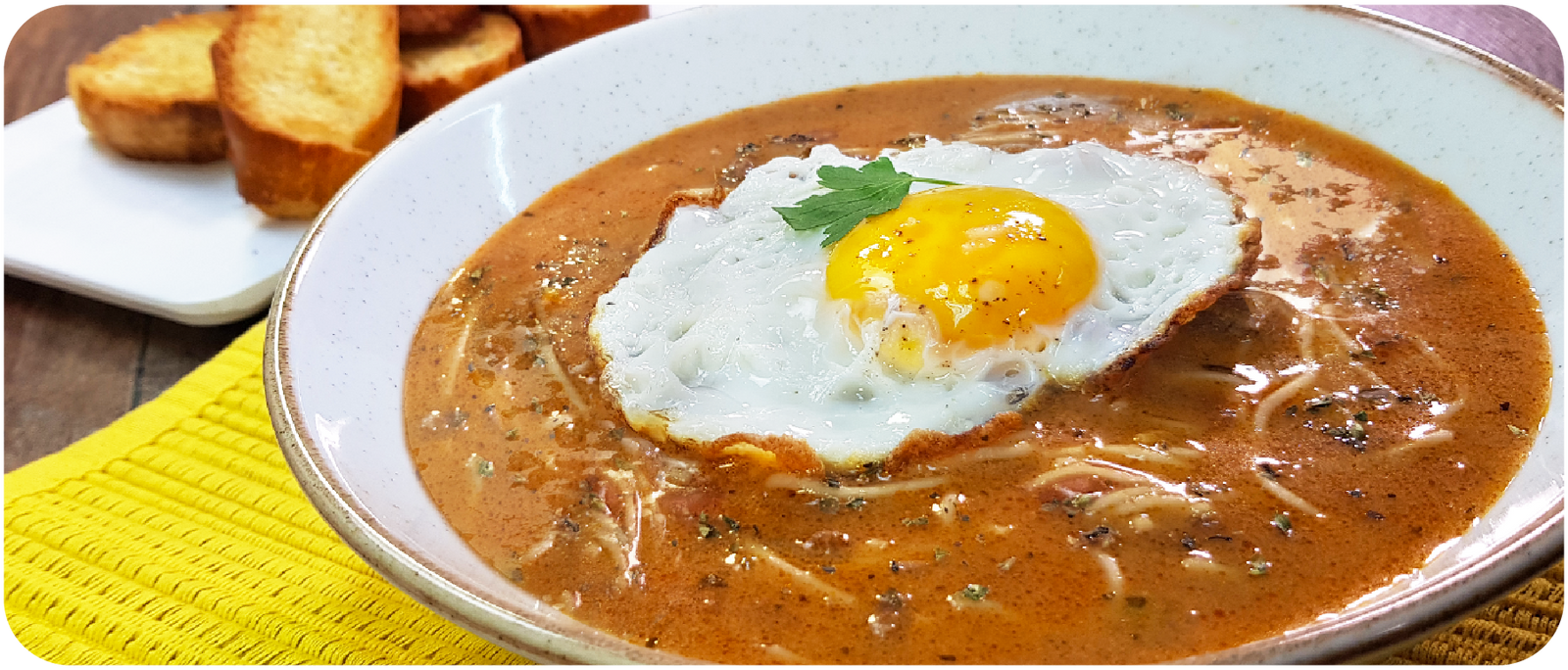
    Sopa Criolla is a warm, spicy Peruvian soup. Its ingredients can vary by region, but this recipe uses the most common ones. For a healthier version, add vegetables.
    You can try it with variations to suit your taste, such as adding different vegetables or seafood to enhance the taste.  A special ingredient really recommended for a great taste is adding small pieces of ginger to the soup, lightly smashed.
    Eating the Sopa Criolla just cooked is the best experience, and it is a great soup for children or when you are feeling under the weather. You can try different broths to suit your tastes, or just use dried seasoning to make the broth. We recommend this Peruvian dish to you if you want to cheer up your loved ones.

    Check out: INCA’S FOOD OLLUCO PICADO EN LATA 20 OZ


    Ingredients (6 portions)

    • 17 oz. of beef loin
    • 3 tablespoons of vegetable oil
    • 5 tablespoons of tomato paste
    • 1 onion chopped into small cubes
    • 1 teaspoon of ají panca paste
    • 1 tablespoon of ají Amarillo paste
    • 2 ½ L of beef broth
    • 7 fl oz. of evaporated milk
    • 9 oz. of thin noodles
    • 6 eggs
    • 1 ½ cups of bread croutons
    • Salt and pepper to taste
    • Ground Oregano to taste

    Preparation

    • Cut the beef loin into thin strips, then into small pieces about 1/3 inch. If the meat is too hard, gently smash it with a cooking hammer. Set aside.
    • Set a pot over high heat, add oil, and sauté the chopped onion until transparent, about 2 minutes.
    • Add the meat with the ground oregano and cook it until the beef looks golden. Then add the tomato paste and a little bit of salt. Cook for another minute.
    • Now, add the beef broth, salt, and pepper to taste. Cover the pot and bring to a boil for 5 minutes. If the meat is still hard, keep cooking it for a couple of minutes more.
    • With the broth boiling, add the evaporated milk and the thin noodles; use a big spoon to separate the noodles.
    • While the noodles cook, fry the eggs in a little oil. It is recommended to leave the egg yolks undercooked. Add the salt to taste.
    • Once the noodles are ready, turn off the heat, and the sopa criolla is ready for serving. First, serve the noodle soup; then place the fried egg on top, and it’s ready to enjoy.
    This delicious and easy Creole soup is a popular favorite in Peru. It is hearty and filling yet light enough to enjoy any time of year. The perfect comfort food!
    This Peruvian Creole soup is hearty, comforting, and easy to make! It’s the perfect winter meal.


    Peru’s Culinary History

    Peruvian cuisine is a blend of indigenous, Spanish, and African influences. Creole soup is one of the most popular dishes, a hearty and comforting soup perfect for a winter meal. The soup is made with various vegetables, including potatoes, corn, and Lima beans, and is often served with rice.
    Several factors have influenced Peruvian cuisine over the years. The country’s coastal location means seafood is a popular ingredient in many dishes.
    In addition, the influence of Spanish colonialism is evident in the use of ingredients such as wheat, beef, and pork in Peruvian cooking. Enslaved Africans also brought their culinary traditions to the country, as seen in dishes like Creole soup.
    Today, Peruvian cuisine is enjoyed all over the world. But, if you want to try something new and exciting, why not try Creole soup? You’ll be sure to enjoy its rich flavor and hearty texture.

    The Ingredients

    This Peruvian Creole soup is packed full of flavor and comfort. It’s the best meal to cozy up with on a cold winter’s day. The ingredients for this soup are simple, but they pack a powerful punch. You’ll need:
    -1 tablespoon olive oil
    -1 yellow onion, diced
    -3 cloves garlic, minced
    -2 tablespoons aji Amarillo paste
    -1 teaspoon cumin
    -1/2 teaspoon smoked paprika
    -1/4 teaspoon chili powder
    -4 cups chicken broth
    -2 cans of white beans, drained and rinsed
    -1/2 head cabbage, chopped
    -3 carrots, peeled and diced
    -1 red bell pepper, diced
    -1 cup frozen corn kernels
    -juice of 1 lime
    -salt and pepper to taste
    To make the best soup, heat the olive oil in a large pot over medium heat. Add the onion and garlic and saute until softened. Stir in the aji Amarillo paste, cumin, smoked paprika, and chili powder. Add the chicken broth and bring to a boil. Add the white beans, cabbage, carrots, bell pepper, and corn. Simmer for

    Check out: INCA’S FOOD ROCOTO RED HOT PEPPER

    The Method

    Ingredients:

    • One lb. of chicken, diced.
    • One onion, diced
    • Two cloves of garlic, minced
    • One green pepper, diced
    • One red pepper, diced
    • Two tablespoons of olive oil
    • Two tablespoons of Aji Amarillo paste
    • 4 cups of chicken broth
    • 2 cups of water
    • One tablespoon of cumin
    • Two bay leaves
    • One teaspoon of salt
    • 1/2 teaspoon of black pepper

    Delicious Additions

    This Peruvian Creole soup is hearty, filling, easy, and comforting. It’s perfect for a winter meal and can be made in advance. Serve with some crusty bread and a glass of red wine. Enjoy!

    A Note on Spiciness

    When it comes to Peruvian cuisine, there is a common misconception that all of the food is incredibly spicy. While some dishes can be pretty spicy, this is not always the case. Many Peruvian dishes are relatively mild in terms of spice.
    This Creole soup is a perfect example of an easy, comforting dish that isn’t overly spicy. If you are sensitive to spice, leave out the chili pepper, and the dish will still be delicious.

    Check out: INCA’S FOOD SUPER PICANTE ROCOTO HOT PEPPER

    The Finished Dish

    This Peruvian Creole soup is so easy and comforting, and it’s the perfect way to warm up on a cold winter day! The soup contains a variety of delicious ingredients, including chicken, potatoes, corn, and spices. It’s so hearty and filling, and it’s sure to become a new family favourite!

    Conclusion

    This Peruvian Creole soup is the perfect comfort food for a cold winter’s night. It’s easy to make and can be easily customized to your liking. So, this soup is sure to please if you want to add more vegetables or spice it up with some hot sauce. So, give it a try tonight and let us know what you think in the comments below!
  • Peruvian Recipe Pan de Anís (Anise Bread Rolls)

    Peruvian Recipe Pan de Anís (Anise Bread Rolls)

    When we think of Peruvian food, we think of steamy soups and filling stews or meaty dishes; but the truth is there’s much more you can find in this amazing country.


    It may surprise you but Peru has delicious recipes of bread that you can easily make at home and enjoy with your family or friends.


    Pan de Anís is a very popular snack or side dish with strong family connections and here’s why. 

    Read More: BEST AND UNIQUE PERUVIAN FOOD RECIPE CAUSA NORTEÑA

    Pan de Anís to feed your soul 

    If there’s one thing that brings us back to our childhood is food, and remembering grandma or mom in the kitchen cooking a delicious batch of Pan de Anís is a feeling everyone will try to replicate.

    That’s why we bring you an easy recipe for anise bread rolls, this recipe has a preparation time of 3 hours and a cooking time of just 30 minutes. It serves about 25 rolls. 

    Ingredients for Pan de Anís

    • 1 ½ (1 oz) tablespoons of anise seeds. 
    • 1 ½ (6.75 oz) cups of water. 
    • 1 ½ (.25 oz) teaspoons of yeast.
    • ⅓ (1.5 oz) cups of white sugar.
    • ¼ (1.13 oz) cup of vegetable oil. (You can also use butter)
    • 2 ¾ (12.3 oz) cups of bread flour.
    • 2 (9 oz) cups of all-purpose flour.
    • 1 ½ (.25 oz) teaspoons of salt. 
    • 1 large egg.
    • 1 (.5 oz) tablespoon of water. 

    Preparation

    • Take a small pot and fill it with the 1 ½ cups of water. Place the anise seeds inside and turn on low heat. Once the water is boiling, remove the pot from the heat, cover and let cool until it’s lukewarm. 
    • Take a bowl that can work with a mixer and add the 1 ½ teaspoons of yeast, the ⅓ cups of white sugar and anise seed water that you just boiled including the seeds. Let everything rest in the bowl for about 5 minutes. 
    • Add 2 cups of all-purpose flour, the ¼ cups of vegetable oil or melted butter and the 1 ½ teaspoons of salt to the bowl from the previous step and start mixing on low speed until the ingredients are well blended. If your mixer has a dough hook attachment it’s best that you use it. 
    • While mixing, slowly add the 2 ¾ cups of bread flour to the bowl, and continue to knead. 
    • Knead the dough for another 5 minutes (if you don’t have the dough hook attachment you can knead by hand) until the dough is smooth, elastic and it pulls away smoothly from the sides of the bowl. If you notice the dough is still a little sticky, add a couple more tablespoons of all-purpose flour. 
    • Take the dough from the bowl and place it in another oiled bowl. Let the dough rise for approximately one hour.
    • Punch down the dough and start separating it into golf ball sized pieces, it should be about 1.2 oz per piece. Roll each of the pieces into a ball, cover them with plastic wrap and let them rest for about 5 minutes. 
    • Flatten each of the dough balls into a slightly oval shape using a rolling pin. Each piece should be about 3 inches wide and 4 or 5 inches long. Roll the dough up into a spiral starting from one of the ends of the oval. Place the rolls on a baking sheet. 
    • Preheat your oven to 375 degrees (high temp). Take a small bowl or plate and crack the egg. Mix the egg with 1 tablespoon of water and when it’s completely mixed bush the tops and sides of the dough rolls with the egg mixture. Let the dough rolls rise in a warm place for about half an hour. 


    • Place the dough rolls cooking sheet in the oven and bake them for 12 to 25 minutes or until they are golden brown and soft but crispy. Once they’re out let them cool down for 10 minutes, serve warm or at room temperature. 


    Check out: NOUGAT SAN JOSE – TURRON 500 GR.

    Once you Pan de Anís rolls are ready, you can serve them as a side dish of a hearty meal, as a snack or even for breakfast with a fresh fruit jam.

    This sweet bread is best accompanied by coffee, tea or milk, so it’s perfect to serve to family and kids. What are you waiting to try this amazing recipe? 


  • Recipe: Mondonguito a la Italiana

    Recipe: Mondonguito a la Italiana

    There are meals that were created to be enjoyed in a family setting, when the table is full and the noise is loud.


    Peruvian food has hundreds of recipes that describe this feeling perfectly.

    A very popular recipe is Mondonguito a la Italiana, which can be considered by many a variation of the traditional Peruvian Cau Cau. (You can learn this recipe here)  

    Check out: LOS ANDES FOODS TEQUEÑOS STD P.C. 12 UNID

    The origin of Mondonguito a la Italiana

    Like many recipes in modern Peruvian cuisine, Mondonguito a la Italiana has its beginnings thanks to immigrants.

    In the late XIX Century, Italians arrived at Peru and started spreading some of their most popular dishes; but they had to adapt to what they could find.

    This resulted in meals such as the one you’ll learn to cook here. 

    This recipe has a preparation time of 25 minutes and a cooking time of approximately an hour, and it serves 6 portions. 

    Ingredients for Mondonguito a la Italiana

    • ½ kg of Mondonguito beef (tripes and stomach in cubes) (1 pound approx) 
    • 200 gr. of green peas, washed (7 oz approx)
    • 1 kg of medium size white potatoes, washed and skinless, ready to fry 


    • 1 large raw carrot
    • 1 big red tomato, skinless
    • 1 big onion, raw
    • 2 tablespoons of minced garlic cloves or garlic powder (you can get it here.
    • 2 tablespoons of vegetable oil or olive oil
    • 1 laurel leaf (optional for decoration)
    • Parmesan grated cheese to taste
    • Salt to taste
    • Pepper to taste
    • White, fluffy cooked rice as a side dish 

    Preparation

    • The first and probably most important step of this recipe is to wash the Mondonguito thoroughly scraping with a knife all of the excess sebum you find in the beef.
    • Once the Mondonguito is clean take a large pot and place it inside with plenty of water and salt. Bring the pot to a boil and turn down the heat when the meat is soft but it doesn’t shred apart easily. 


    • Take the Mondonguito out off the pot and slice it 2 inch pieces. Place the pieces in a bowl and set aside. 
    • Take a medium size pot with water and salt and bring it to a boil, then add the carrots and peas and let it pre-cook for 20 minutes. After this, stir the vegetables and rinse them with cold water. 
    • Cut the carrot in julienne and set aside in a bowl along with the green peas. 
    • Take the potatoes, washed and skinned, and chop them in long and thin pieces. Place them in a bowl full of cold water until it’s time to fry them. 
    • Take the tomato and onion and cut them julienne (from the longest side).
    • Take a large skillet and pour vegetable oil or olive oil, put it on high heat for about a minute.
    • When the skillet is hot, place the onion finely chopped and the garlic minced or garlic paste. Wait until the onion turns transparent and then add the tomato, the Mondonguito beef and the laurel leaf, along with salt and pepper to taste. Let the mix fry up for a couple of minutes. 
    • Add the carrots and green peas. Add just a bit of water to the skillet to cover the ingredients. Cover up the skillet and let it on medium heat and check regularly so that the mix doesn’t dry up. The dish must have just a bit of juice. 
    • Take a medium skillet and pour vegetable oil or olive oil on high heat, pour the potato slices to fry them. Place them over a paper towel to absorb the grease. 
    • Check the meal’s flavor and add more seasoning if necessary. Turn off the fire and add the potatoes. Let the mix sit for a while so that the potatoes absorb the flavor.     

    Check out: KOSMOS GOURMET PANCA PEPPER PASTE

    One of the most classic ways to accompany the Mondonguito a la Italiana is with a side of white, fluffy rice.

    You can even place a bed of rice and then add the Mondonguito on top for a more gourmet presentation.

    To top this meal, just sprinkle as much grated Parmesan cheese as you like and let it melt with the heat of the dish. 


    This recipe is perfect for a family gathering, with the delicious ingredients and an unexpected Italian twist you’ll charm everyone who tries it. 


  • Recipe: Peruvian Cuy (Guinea Pig)

    Recipe: Peruvian Cuy (Guinea Pig)

    Coming right from the Andean region of the country, there’s a quirky dish with a huge Afro-Peruvian influence.

    And although it’s a recipe that can also be found in countries like Ecuador, Colombia and Bolivia, Peruvian cuy is a culinary delicacy ready to be enjoyed.

    With its soft texture and spicy texture, guinea pig is very high in protein and low in fat and cholesterol; it has a flavor similar to rabbit. 


    Peruvian cuy (which by the way is named after the sound the animal makes: “kwee”) can be cooked in two different ways:

    Cuy chactado, which means deep-fried with spices; and cuy al horno, which is roasted and served on a stick. We will concentrate on the most known Peruvian cuy chactado. 


    Check out: LOS ANDES FOODS TEQUEÑOS STD P.C. 12 UNID.

    Why is Peruvian cuy so popular?

    You might be wondering “Why do people enjoy Peruvian cuy so much? What is so special about it?” and well, we know it’s hard to understand how this tiny animal can become your meal. 

    Like any other country, Peru has some super exotic dishes that might not be as common as the rest, but it’s still a part of its culture. 

    Peruvian cuy or guinea pig is a meal that is cooked, served and enjoyed mostly on special occasions, or in fancy restaurants ready for adventurous eaters out there.

    If you consider yourself one of those people, keep reading to learn the recipe for Peruvian cuy, a dish typically served with salad and its traditional potatoes. 


    Ingredients for Peruvian Cuy

    • 4 large cuys (also called guinea pigs)
    • 1 clove of garlic full or one tablespoon minced or chopped garlic
    • 2 green or yellow peppers
    • 2 tablespoons of ají panca paste. (You can find it here)
    • 2 tablespoons of ají amarillo paste. (You can find it here)
    • 8 big yellow potatoes boiled and skinned
    • Guinea pigs’ hearts, livers, thoroughly cleaned. (Some recipes also use the cuy’s intestines)
    • 4 hard-boiled eggs
    • 10 scallions
    • 1 tablespoon of crushed and roasted peanuts
    • 1 cup of cooking vegetable oil or margarine
    • 1 ½ teaspoons of cumin powder
    • 1 ½ teaspoon of salt

    Preparation

    • Take the Peruvian cuy or guinea pigs and cut them or quarter them with a big knife. Some people prefer to serve it complete, it’s up to you. Add salt, pepper, cumin and pepper to season the meat. Let it rest for a while.
    • Put some vegetable oil in a pan and turn the fire on high. Put the guinea pig pieces in and fry them until they turn a golden brown color and reach a crispy but not hard texture. Place the meat aside in a warm plate. 
    • In a separate pot, boil the potatoes and peel them. 
    • Take a big skillet and add a bit of vegetable oil. Put the garlic, ají panca, ají amarillo, peppers over high heat and let it cook for a couple of minutes, maximum 5 minutes.
    • Make sure to never stop mixing and scraping the mix to stop it from sticking to the skillet. The mix should reach a nice golden brown color. Set them aside and leave the skillet free for later.
    • Chop the scallions, separating the white bulbs from the green stalks.
    • Add the scallions finely chopped into the skillet with some more cumin.
    • In a separate pan with a bit of oil, place the hearts and livers of the guinea pigs with crushed peanuts. When the meat is fully cooked place it in a food processor or blender and liquefy it. 
    • Take this liver and hearts mix and combine it with the garlic, ají and peppers mix in the skillet once more. 
    • Take the boiled and peeled potatoes and slice them in thick slices. Place them over the plate like a bed. 
    • Placed the cooked (fried) Peruvian cuy in pieces over the bed of sliced potatoes. Drizzle the sauce over the meat and potatoes.
    • Let the dish rest for 10 minutes and serve.


    Check out: INCA’S FOOD CANNED YELLOW HOT PEPPER


    Who said you need to travel the world to try the most amazing and exotic dishes? Gather your ingredients, follow our recipe and enjoy this mouth-watering Peruvian dish on a family dinner. Discover the truly delicious taste that Peruvian cuy hides in every bite.


  • All You Need To Know About The Aji-No-Moto Spice

    All You Need To Know About The Aji-No-Moto Spice

    If you are a Peruvian gastronomy enthusiast or a Chinese gastronomy enthusiast, then you surely have seen recipes with Aji-no-moto spice as an ingredient, but that brings up a big question.

    What is the aji-no-moto? Why do they use it? Is it safe to use? Where can you find it? These and other questions will be answered if you keep reading.

    What is the aji-no-moto?

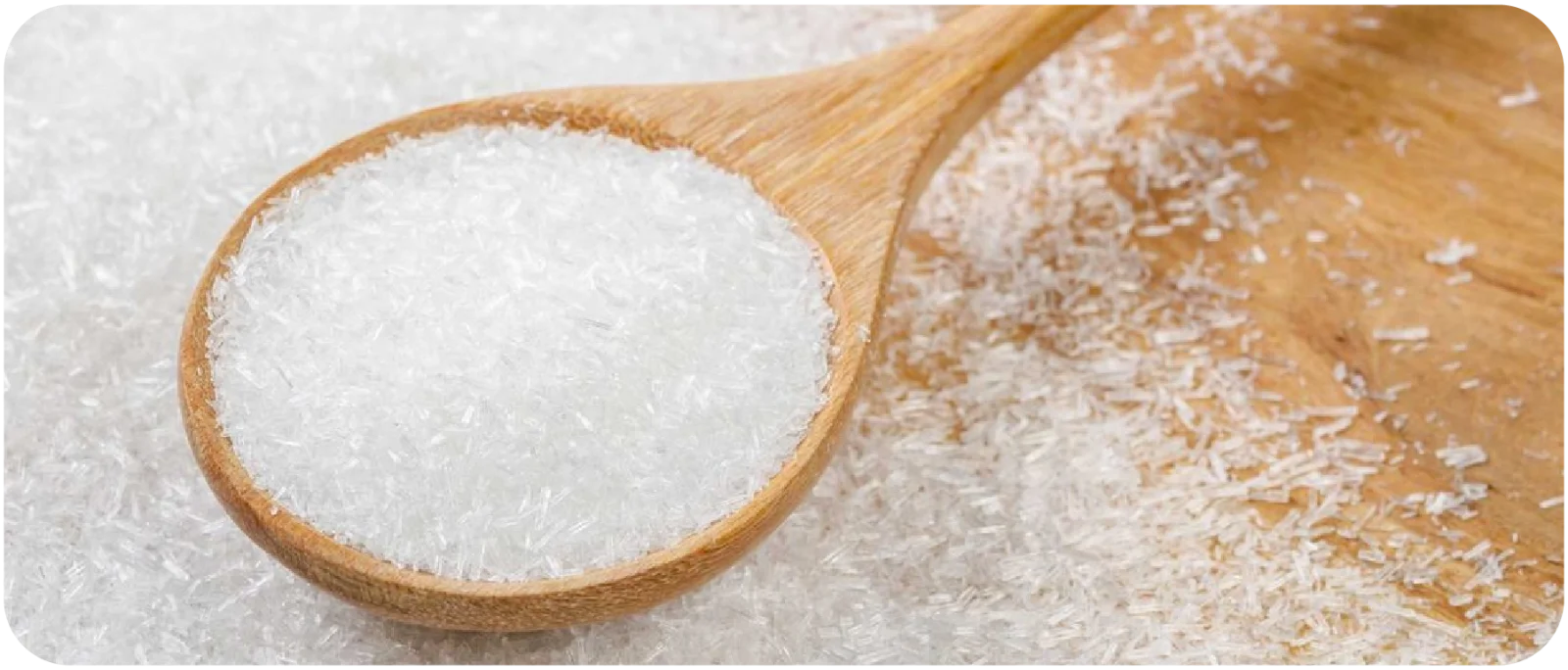
    Aji-no-moto is a spice known as the secret spice, it is made out of monosodium glutamate, now this might sound too chemical but it is a natural salt obtained usually from the fermentation of sugarcane, sugar beet or corn.

    It is a compound found in food with proteins like meat, milk and some vegetables and our body produces it and uses it for many processes.

    Aji-no-moto, also known as monosodium glutamate ( MLG for short), is the sodium salt of glutamic acid. It’s one our most common naturally occurring amino acids and it can be found in many foods we eat on a daily basis like meat or fish; dairy products such as yogurt & milk; eggs plus tomatoes! The proteins make up about 20% with 2%.

    When a protein containing the amino acid glutamic is broken down, for example through fermentation or digestion in our body it becomes glutamate. The savory taste known as umami can then be elicited by tasting this flavor with its unique rich mouth feel that has been compared to beef broth’s bouillon cubes (sodium).

    AJI-NO MOTO® doesn’t contain any salt which may make some people think otherwise since there are no added flavors like spices; however what you’re experiencing here upon eating each bite isn’t just sodium chloride but also involves other ingredients

    such as calcium pantothenate (a vitamin B5) & potassium chloratum – these ensure your tongue gets all of those vital nutrients its craving every time!

    Best Digital Marketing services Visit Here

    What can we use the ajinomoto spice for?

    Ajinomoto is a brand name for monosodium glutamate (MSG), a flavor enhancer commonly used in Asian cuisine. Ajinomoto spice can be used in a variety of dishes to enhance their flavor, including:

    1. Stir-fries: Ajinomoto can be added to stir-fries to enhance the savory umami flavor of the dish.
    2. Soups and broths: Ajinomoto can be added to them to deepen their flavor and make them more savory.
    3. Marinades and rubs: Ajinomoto can be used in marinades and rubs to add flavor to meats and vegetables.
    4. Seasoning for rice and noodles: Ajinomoto can be sprinkled over rice or noodles to add flavor and depth.
    5. Snacks: Ajinomoto can flavor snacks like popcorn, roasted nuts, and chips.
    6. Sauces and dressings: Ajinomoto can be added to sauces and dressings to enhance flavor.

    It is essential to note that some people may be sensitive to MSG and experience adverse reactions such as headaches, sweating, and flushing. Therefore, as with any food ingredient, using Ajinomoto in moderation and according to personal preference is recommended.

    Is it safe to eat aji-no-moto?

    Many investigations have been made and found that eating aji-no-moto represents no harm, such as:

    • It is not harmful in small portions for pregnant women or kids (The human milk has a great concentration of monosodium glutamate).
    • It has also been shown that it is not an allergenic substance, nor a carcinogenic substance.
    • It won’t produce any special effects or conditions on the brain.

    There is no limit established on how many aji-no-moto a person may eat, but since it is used in small quantities on each meal there should be no worries on any second effect on our body.

    Check out:  FIELD CUACUA WAFER COVERED CHOCOLATE FLAVOR 

    Why Peruvian Cuisine uses Aji-no-moto spice?

    The Peruvian gastronomy usually uses a lot of spices and peppers, most of them are originally from Peru, but they are some exceptions.

    The Peruvian cuisine is the product of a mixture of different continents like Europa, Asia, and Africa, of course considering the Incas gastronomy influences.

    The Aji-no-moto spice is a condiment used in Peru as a result of the Asian influences in their gastronomy and it has been well received thanks to its great taste.

    Where can you find Aji-no-moto spice?

    Nowadays, the aji-no-moto spice is produced by a company with the same name and it can be found in different stores or in websites specialized in Chinese and Peruvian food. Here in KOSMOS Peru you can find different presentations of this spice, check them here.

    Aji-no-moto is a popular monosodium glutamate (MSG) brand, a flavor enhancer most commonly used in Asian cuisine. MSG is a white crystalline powder derived from glutamic acid, an amino acid found naturally in many foods, including meat, fish, and vegetables. MSG is known for its ability to enhance the savory umami flavor of foods, making them more delicious and satisfying.

    Aji-no-moto is a Japanese MSG brand widely available in many parts of the world. It is sold in small packets or jars and is typically found in the Asian section of grocery stores and specialty stores selling Asian food products. In addition, aji-no-moto can be purchased online from retailers like Amazon, Walmart, and Asian food specialty stores.

    Check out: INCA’S FOOD YELLOW HOT PEPPER 7.5 OZ.

    In Japan, Aji-no-moto is used in various dishes, including soups, stews, stir-fries, marinades, and dressings. It is also commonly used as a seasoning for rice and noodles. In addition, Aji-no-moto is used in many processed foods, such as instant noodles, snacks, and frozen meals, to enhance their flavor.

    Outside of Japan, Aji-no-moto is also popular in many other Asian countries, including China, Korea, Thailand, and Vietnam. In these countries, Aji-no-moto is used, similarly to Japan, to enhance the flavor of various dishes and foods.

    In the United States, Aji-no-moto can be found in most Asian grocery stores and some mainstream grocery stores that carry a selection of international foods. It is also available for purchase online from various retailers.

    When shopping for Aji-no-moto, it is important to note that MSG is often used in other brands of flavor enhancers as well. Therefore, it is important to read the label carefully to ensure that the product you are purchasing is indeed Aji-no-moto.

    Additionally, it is essential to note that some people may be sensitive to MSG and experience adverse reactions such as headaches, sweating, and flushing. Therefore, as with any food ingredient, using Aji-no-moto in moderation and according to personal preference is recommended.

    In conclusion, Aji-no-moto spice can be found in most Asian grocery stores, as well as in some mainstream grocery stores and online retailers. It is a popular monosodium glutamate (MSG) brand widely used in Asian cuisine to enhance foods’ savory, umami flavor.

    Aji-no-moto is used in various dishes, including soups, stews, stir-fries, marinades, dressings, and as a seasoning for rice and noodles. As with any food ingredient, using Aji-no-moto in moderation and according to personal preference is essential.

    How does the fermentation process work?

    Fermentation is a fascinating process that humans have used for centuries to preserve foods and enhance their taste. Fermented drinks include beer, wine, kombucha tea…

    In addition, it’s been shown in recent years how valuable fermented food can be when we’re seeking better digestibility of grains like rice or beans as well as vegetables such legumes which may otherwise not get digested properly without the aid from acids produced during fermentation.

    AJI-NO-MOTO® is made of naturally occurring substances through a modern version of that process, using microbes to transform feedstocks like sugarcane into food products. First the glucose in AJINOMotos’and then it’s sent over for fermentation with specific typesets bacteria which turn out all sorts of goodies!

    The Process: The first step involves extracting what you would call “sugar” from Ethanolically fermented Cane Juice (AJI) Moss Agarwal B Vitamins!. This raw material can come separated but needs upgrading before conversion; this sorcery begins when yeast starts snackin’ on sugars.

    Read More: HUACATAY SAUCE: CREAMY AND SPICY

    A team of microbes consumes glucose, converting it to glutamic acid. This neutralized and filtered solution is then evaporated for purity but not before being crystallized with an extractor machine that concentrates its nutrients into a potent cocktail-sized serving.

    AJI NO MOTO®! The entire process has virtually no environmental impact as all coproducts can go back onto our farms where they belong: helping us grow more crops like sugarcane, forming what we call “The virtuous cycle.”

  • Peru Food Recipe: Chupe de Camarones – Shrimp Soup

    Peru Food Recipe: Chupe de Camarones – Shrimp Soup

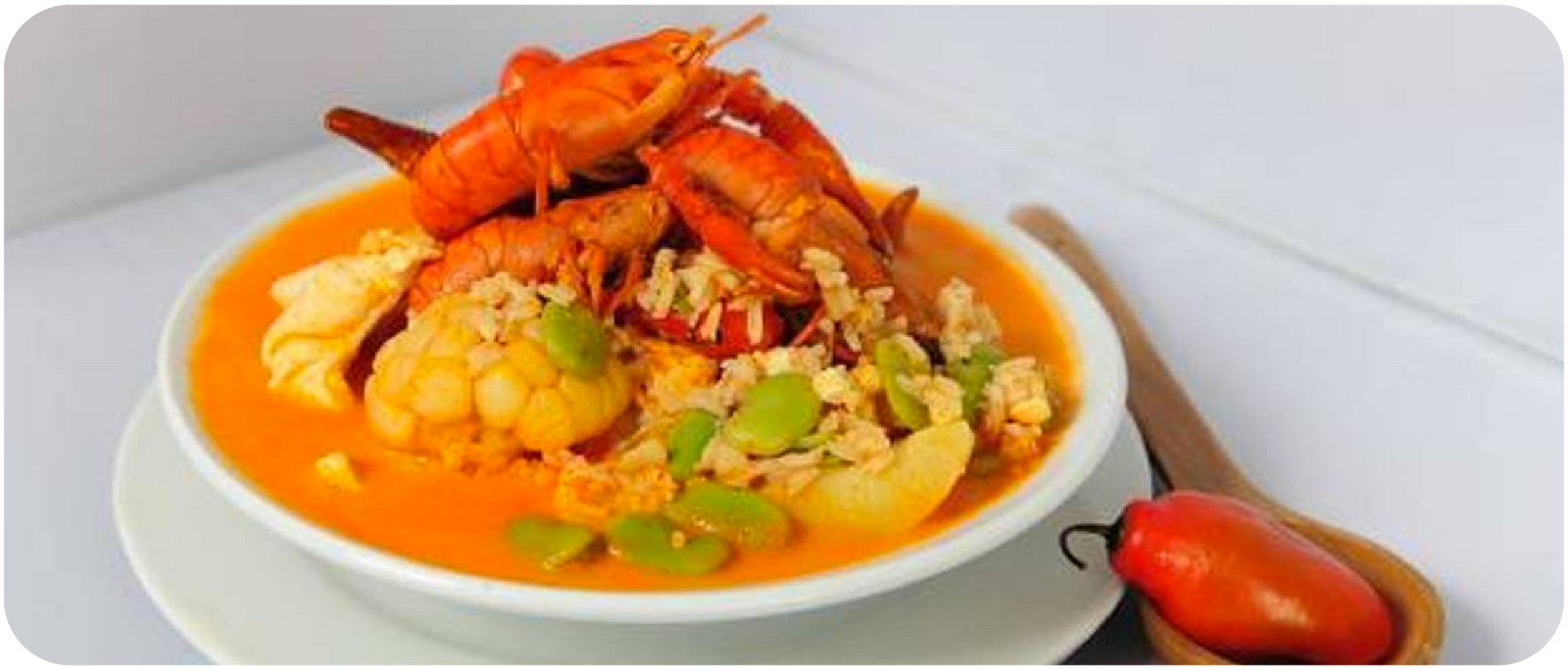
    There’s nothing quite like a warm bowl of soup on a chilly day, and if you’re looking for a healthy and hearty dish, you can’t go wrong with a classic Chupe de Camarones soup. This traditional Peruvian dish is flavorful, featuring shrimp, potatoes, corn, and other veggies and spices. But making a delicious Chupe de Camarones soup at home can be intimidating, especially if you need to familiarize yourself with the recipe or the ingredients.

    That’s why I’m here to guide you through the process, step by step. In this article, we’ll explore the history of Chupe de Camarones, discuss the benefits of making it at home, and provide you with an easy-to-follow recipe to impress your friends and family. So grab your apron, and let’s get cooking!

    The Peruvian food and gastronomy is well known for the delicious recipes with seafood, the Peruvian Chupe de Camarones (Shrimp Soup) is a clear example of this.  This delicious soup is perfect for a big meal on weekends, with all your friends and family because the best way to eat it is with a good company.

    Peruvian dishes usually use different kind of peppers for achieving the distinctive taste, you might try them without the authentic spices and peppers, but we strongly recommend using the true Peruvian ingredients for the chupe de camarones.

    As a final advice, we recommend cleaning well all the shrimps you will use, don´t leave them with the head shell since the shrimp has part of the intestines there. Also, you may add the vegetables you prefer to the soup. Try out this recipe, it will bring the Peru food right to your dining table. 

    Ingredients (6 portions)

    • 35 oz. of shrimps
    • 17 oz. potatoes (Yellow potatoes are better for this recipe)
    • 1 cup of lentejon (Lentils)
    • ¼ cup of rice
    • 5 fl oz. of evaporated milk
    • 1 red onion
    • 1 tablespoon of aji panca paste
    • 1 tablespoon garlic paste
    • 2 tablespoon of oil
    • 1 egg per serving (In this case we are considering 6 portion)
    • 5 oz. of fresh cheese
    • 1 tablespoon of ground oregano
    • Salt and pepper to taste 

    Preparation

    1. Clean the shrimps and keep apart. Also, on another bowl, keep the “coral” which is the orange liquid that comes out of the shrimps head when you squeeze them gently. Add a bit of water to the coral and strain them, so there are no shrimp shells left.
    2. Cut the red onion into small cubes and keep it apart. Peel the potatoes and cut them into medium cubes, keep them apart on another bowl.
    3. On a pot, warm some oil with high heat and fry the onion, the garlic paste, the aji panca, salt and pepper.
    4. Once the onion seems transparent, add the “corals” from the shrimps previously cleaned. Stir a bit.
    5. Add 2 liters of water to the pot preparation. Mix well all the ingredients and keep the high heat.
    6. When the water starts boiling, add the rice and the lentejon. Stir well the ingredients and keep the high heat.
    7. After a few minutes, when the lentejon are a bit soft (Half cooked) add the potatoes. Let them boil together for a couple of minutes and check them from time to time.
    8. When the potatoes are soft, add the already cleaned shrimps to the preparation and low the heat.
    9. Wait 2 minutes and then add some fresh cheese chopped in small cubes. Add the eggs scrambled and the ground oregano. Stir everything together.
    10. After 1 minute the cheese had melt and the eggs are cooked, add the evaporated milk and integrate all the ingredients together. It’s ready to serve and enjoy the Peruvian Chupe de Camarones.

    Nutritional Benefits of Chupe de Camarones Soup

    Chupe de Camarones is a nutritious and delicious soup packed with vitamins and minerals. Shrimp is an excellent source of protein, while potatoes and corn provide fiber and complex carbohydrates. The soup is also rich in vitamins A and C and iron, calcium, and other essential nutrients. 

    One of the best things about making Chupe de Camarones soup at home is that you can control the ingredients and adjust the recipe to suit your health goals. For example, you can use low-sodium broth or reduce the amount of salt in the recipe to make it more heart-healthy. You can also add more veggies, like bell peppers or spinach, to boost the nutritional content of the soup.

    Chupe de Camarones soup is also an excellent option for it losing or maintaining a healthy weight. The soup is low in calories and fat but still filling and satisfying. It’s a great way to get a healthy dose of protein and veggies in a single meal.

    Serving Suggestions and Accompaniments for Chupe de Camarones Soup.

    Chupe de Camarones soup is delicious on its own, but it’s even better when served with some tasty accompaniments. Here are some ideas:

    – Crusty bread or crackers: Serve the soup with some crusty bread or crackers to soak up the broth.

    – Avocado or guacamole: Top the soup with some creamy avocado or guacamole for a delicious addition.

    – Ceviche: Serve the soup as a starter to a Peruvian-style meal, with a side of ceviche.

    – Salad: Serve the soup with a simple green salad for a complete meal.

    Frequently Asked Questions About Chupe de Camarones Soup.

    Q: Can I use frozen shrimp for this recipe?

    A: Yes, you can use frozen shrimp, just be sure to thaw them before cooking.

    Q: Can I make this soup in advance?

    A: Yes, you can make the soup in advance and reheat it before serving. The flavors will actually develop more over time.

    Q: Can I use a different type of cheese?

    A: Yes, you can use any crumbly cheese, like queso blanco or goat cheese, instead of queso fresco or feta.