Tag: ajiaco

  • Peruvian Easy and Comforting Creole Soup – Sopa Criolla

    Peruvian Easy and Comforting Creole Soup – Sopa Criolla

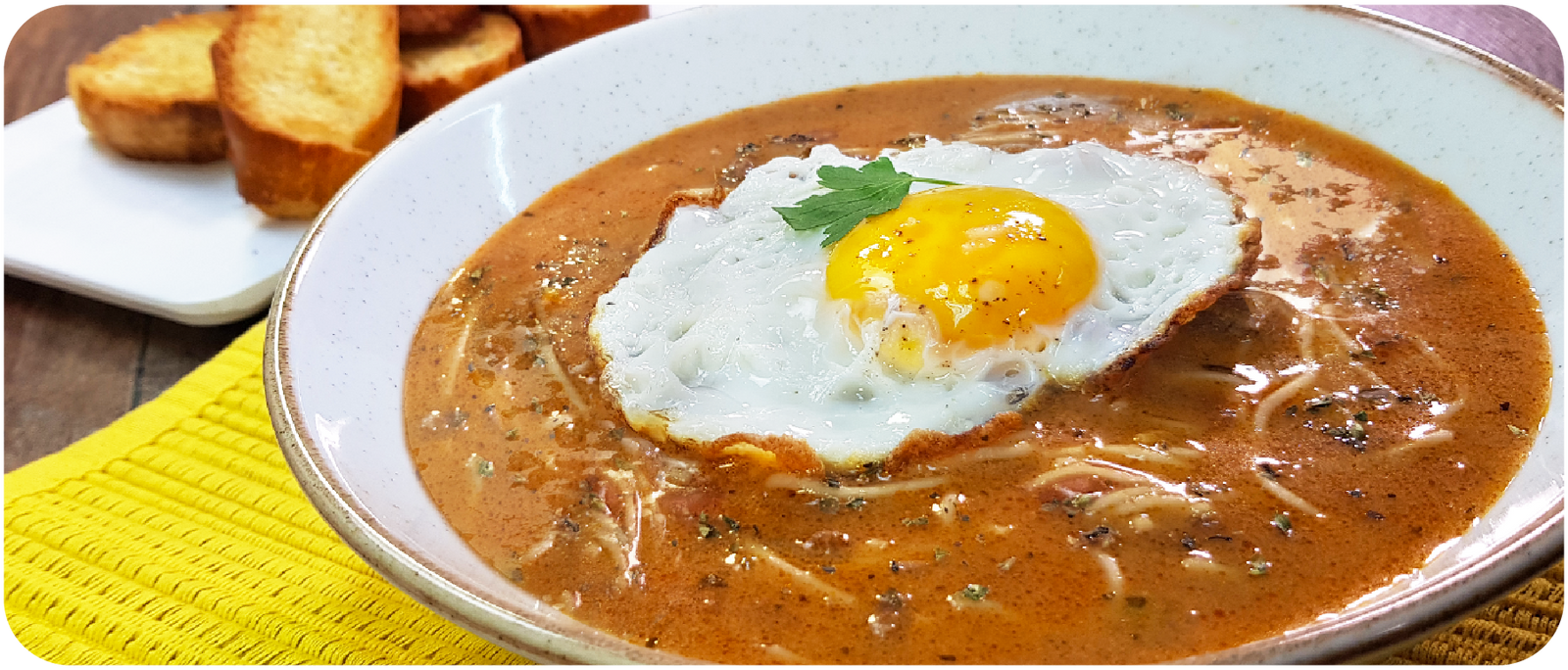
    We all know certain recipes or preparations that are perfect for those rainy days, a dish to help you feel better and more comfortable. The Sopa Criolla is that kind of comfort food, perfect for cheering up any blue mood, and it’s delicious. 
    Sopa Criolla is a warm, spicy Peruvian soup. Its ingredients can vary by region, but this recipe uses the most common ones. For a healthier version, add vegetables.
    You can try it with variations to suit your taste, such as adding different vegetables or seafood to enhance the taste.  A special ingredient really recommended for a great taste is adding small pieces of ginger to the soup, lightly smashed.
    Eating the Sopa Criolla just cooked is the best experience, and it is a great soup for children or when you are feeling under the weather. You can try different broths to suit your tastes, or just use dried seasoning to make the broth. We recommend this Peruvian dish to you if you want to cheer up your loved ones.

    Check out: INCA’S FOOD OLLUCO PICADO EN LATA 20 OZ


    Ingredients (6 portions)

    • 17 oz. of beef loin
    • 3 tablespoons of vegetable oil
    • 5 tablespoons of tomato paste
    • 1 onion chopped into small cubes
    • 1 teaspoon of ají panca paste
    • 1 tablespoon of ají Amarillo paste
    • 2 ½ L of beef broth
    • 7 fl oz. of evaporated milk
    • 9 oz. of thin noodles
    • 6 eggs
    • 1 ½ cups of bread croutons
    • Salt and pepper to taste
    • Ground Oregano to taste

    Preparation

    • Cut the beef loin into thin strips, then into small pieces about 1/3 inch. If the meat is too hard, gently smash it with a cooking hammer. Set aside.
    • Set a pot over high heat, add oil, and sauté the chopped onion until transparent, about 2 minutes.
    • Add the meat with the ground oregano and cook it until the beef looks golden. Then add the tomato paste and a little bit of salt. Cook for another minute.
    • Now, add the beef broth, salt, and pepper to taste. Cover the pot and bring to a boil for 5 minutes. If the meat is still hard, keep cooking it for a couple of minutes more.
    • With the broth boiling, add the evaporated milk and the thin noodles; use a big spoon to separate the noodles.
    • While the noodles cook, fry the eggs in a little oil. It is recommended to leave the egg yolks undercooked. Add the salt to taste.
    • Once the noodles are ready, turn off the heat, and the sopa criolla is ready for serving. First, serve the noodle soup; then place the fried egg on top, and it’s ready to enjoy.
    This delicious and easy Creole soup is a popular favorite in Peru. It is hearty and filling yet light enough to enjoy any time of year. The perfect comfort food!
    This Peruvian Creole soup is hearty, comforting, and easy to make! It’s the perfect winter meal.


    Peru’s Culinary History

    Peruvian cuisine is a blend of indigenous, Spanish, and African influences. Creole soup is one of the most popular dishes, a hearty and comforting soup perfect for a winter meal. The soup is made with various vegetables, including potatoes, corn, and Lima beans, and is often served with rice.
    Several factors have influenced Peruvian cuisine over the years. The country’s coastal location means seafood is a popular ingredient in many dishes.
    In addition, the influence of Spanish colonialism is evident in the use of ingredients such as wheat, beef, and pork in Peruvian cooking. Enslaved Africans also brought their culinary traditions to the country, as seen in dishes like Creole soup.
    Today, Peruvian cuisine is enjoyed all over the world. But, if you want to try something new and exciting, why not try Creole soup? You’ll be sure to enjoy its rich flavor and hearty texture.

    The Ingredients

    This Peruvian Creole soup is packed full of flavor and comfort. It’s the best meal to cozy up with on a cold winter’s day. The ingredients for this soup are simple, but they pack a powerful punch. You’ll need:
    -1 tablespoon olive oil
    -1 yellow onion, diced
    -3 cloves garlic, minced
    -2 tablespoons aji Amarillo paste
    -1 teaspoon cumin
    -1/2 teaspoon smoked paprika
    -1/4 teaspoon chili powder
    -4 cups chicken broth
    -2 cans of white beans, drained and rinsed
    -1/2 head cabbage, chopped
    -3 carrots, peeled and diced
    -1 red bell pepper, diced
    -1 cup frozen corn kernels
    -juice of 1 lime
    -salt and pepper to taste
    To make the best soup, heat the olive oil in a large pot over medium heat. Add the onion and garlic and saute until softened. Stir in the aji Amarillo paste, cumin, smoked paprika, and chili powder. Add the chicken broth and bring to a boil. Add the white beans, cabbage, carrots, bell pepper, and corn. Simmer for

    Check out: INCA’S FOOD ROCOTO RED HOT PEPPER

    The Method

    Ingredients:

    • One lb. of chicken, diced.
    • One onion, diced
    • Two cloves of garlic, minced
    • One green pepper, diced
    • One red pepper, diced
    • Two tablespoons of olive oil
    • Two tablespoons of Aji Amarillo paste
    • 4 cups of chicken broth
    • 2 cups of water
    • One tablespoon of cumin
    • Two bay leaves
    • One teaspoon of salt
    • 1/2 teaspoon of black pepper

    Delicious Additions

    This Peruvian Creole soup is hearty, filling, easy, and comforting. It’s perfect for a winter meal and can be made in advance. Serve with some crusty bread and a glass of red wine. Enjoy!

    A Note on Spiciness

    When it comes to Peruvian cuisine, there is a common misconception that all of the food is incredibly spicy. While some dishes can be pretty spicy, this is not always the case. Many Peruvian dishes are relatively mild in terms of spice.
    This Creole soup is a perfect example of an easy, comforting dish that isn’t overly spicy. If you are sensitive to spice, leave out the chili pepper, and the dish will still be delicious.

    Check out: INCA’S FOOD SUPER PICANTE ROCOTO HOT PEPPER

    The Finished Dish

    This Peruvian Creole soup is so easy and comforting, and it’s the perfect way to warm up on a cold winter day! The soup contains a variety of delicious ingredients, including chicken, potatoes, corn, and spices. It’s so hearty and filling, and it’s sure to become a new family favourite!

    Conclusion

    This Peruvian Creole soup is the perfect comfort food for a cold winter’s night. It’s easy to make and can be easily customized to your liking. So, this soup is sure to please if you want to add more vegetables or spice it up with some hot sauce. So, give it a try tonight and let us know what you think in the comments below!
  • Tasty Pollo al Sillao: 8 steps Peruvian Food Recipe

    Tasty Pollo al Sillao: 8 steps Peruvian Food Recipe

    Sometimes we need a quick recipe, but that does not means a quick meal should not taste really good. Pollo al Sillao or also known as The Peruvian Sillao chicken is a great example of a quick food recipe without losing great taste. This recipe takes about 30 minutes or less (If you don’t marinate the chicken) and it will bring you a delicious meal.

    The sillao sauce used for the Sillao chicken is a Peruvian ingredient, also known as soy sauce, this ingredient is a result of the gastronomic exchange Peru has gone through, mixing Asian cuisine, Japanese cuisine and South American cuisine. The name of the Sillao sauce comes from the Cantonese name of soy sauce “Siyau” (豉油).  

    This preparation is just perfect for a delicious meal, you can serve rice, French fries or salads as an accompaniment. You can save even more time for this preparation if you leave the chicken marinating through the night and cook it the next day, it will acquire all the sauce taste.

    Check out: Candies Collections

    Ingredients (4 portions)

    • 8 chicken pieces
    • 3 tablespoon of grated ginger
    • 1 teaspoon of anise liquor
    • 1 teaspoon of garlic paste
    • 1 teaspoon of Chinese cinnamon (Regular ground cinnamon also works well )
    • 1 teaspoon of cumin
    • 3 tablespoon of sesame oil
    • 8 tablespoon of Sillao Peru sauce (Regular soya sauce might work as well)
    • 1 teaspoon of sugar
    • 1 tablespoon of cornstarch
    • 1 tablespoon of oyster sauce
    • Sesame seeds to taste
    • 1 big red pepper
    • 4 sticks of scallions
    • Salt and pepper to taste


    Preparation

    1. On a small bowl prepare the sauce, for this you need to mix together the grated ginger, the anise liquor, the ground cinnamon, the cumin, the garlic paste, the sesame seeds and oil, the ouster sauce, the sillao sauce and salt and pepper. Mix everything well and keep it.
    2. Place on a big bowl the chicken pieces previously cleaned properly. Add the sauce you prepared and stir everything, make sure all the pieces have enough sauce.
    3. Macerate the chicken at least for 30 minutes with the sauce. For a better taste, marinate for 2 hours.
    4. Now, warm up a pan at high heat and brown the chicken preys without adding the sauce. Make sure to cook it well from both sides.
    5. Once the chicken is brown, you need to low lower the heat and add the liquid and the sauce left on the bowl. Cover the pan and let the chicken cook well, usually it takes about 30 to 35 minutes.
    6. After 20 minutes since the chicken has been ready, let it cool down at room temperature and take apart some of the sauce with a small bowl. Dissolve the cornstarch on this sauce and add it to the chicken. If there is not enough sauce, use cold water. Cook for another 20 minutes at low heat.
    7. Add the sugar to the preparation and mix well. Also add the red pepper chopped into slices and the scallions chopped into really small slices. Cover the pan and cook for 5 minutes.
    8. When the vegetables are cooked, turn off the preparation. Now is ready for serving.

    Check out: CUSCO ANDINO TABLETA CHOCOLATE

  • Peruvian Recipe Pan de Anís (Anise Bread Rolls)

    Peruvian Recipe Pan de Anís (Anise Bread Rolls)

    When we think of Peruvian food, we think of steamy soups and filling stews or meaty dishes; but the truth is there’s much more you can find in this amazing country.


    It may surprise you but Peru has delicious recipes of bread that you can easily make at home and enjoy with your family or friends.


    Pan de Anís is a very popular snack or side dish with strong family connections and here’s why. 

    Read More: BEST AND UNIQUE PERUVIAN FOOD RECIPE CAUSA NORTEÑA

    Pan de Anís to feed your soul 

    If there’s one thing that brings us back to our childhood is food, and remembering grandma or mom in the kitchen cooking a delicious batch of Pan de Anís is a feeling everyone will try to replicate.

    That’s why we bring you an easy recipe for anise bread rolls, this recipe has a preparation time of 3 hours and a cooking time of just 30 minutes. It serves about 25 rolls. 

    Ingredients for Pan de Anís

    • 1 ½ (1 oz) tablespoons of anise seeds. 
    • 1 ½ (6.75 oz) cups of water. 
    • 1 ½ (.25 oz) teaspoons of yeast.
    • ⅓ (1.5 oz) cups of white sugar.
    • ¼ (1.13 oz) cup of vegetable oil. (You can also use butter)
    • 2 ¾ (12.3 oz) cups of bread flour.
    • 2 (9 oz) cups of all-purpose flour.
    • 1 ½ (.25 oz) teaspoons of salt. 
    • 1 large egg.
    • 1 (.5 oz) tablespoon of water. 

    Preparation

    • Take a small pot and fill it with the 1 ½ cups of water. Place the anise seeds inside and turn on low heat. Once the water is boiling, remove the pot from the heat, cover and let cool until it’s lukewarm. 
    • Take a bowl that can work with a mixer and add the 1 ½ teaspoons of yeast, the ⅓ cups of white sugar and anise seed water that you just boiled including the seeds. Let everything rest in the bowl for about 5 minutes. 
    • Add 2 cups of all-purpose flour, the ¼ cups of vegetable oil or melted butter and the 1 ½ teaspoons of salt to the bowl from the previous step and start mixing on low speed until the ingredients are well blended. If your mixer has a dough hook attachment it’s best that you use it. 
    • While mixing, slowly add the 2 ¾ cups of bread flour to the bowl, and continue to knead. 
    • Knead the dough for another 5 minutes (if you don’t have the dough hook attachment you can knead by hand) until the dough is smooth, elastic and it pulls away smoothly from the sides of the bowl. If you notice the dough is still a little sticky, add a couple more tablespoons of all-purpose flour. 
    • Take the dough from the bowl and place it in another oiled bowl. Let the dough rise for approximately one hour.
    • Punch down the dough and start separating it into golf ball sized pieces, it should be about 1.2 oz per piece. Roll each of the pieces into a ball, cover them with plastic wrap and let them rest for about 5 minutes. 
    • Flatten each of the dough balls into a slightly oval shape using a rolling pin. Each piece should be about 3 inches wide and 4 or 5 inches long. Roll the dough up into a spiral starting from one of the ends of the oval. Place the rolls on a baking sheet. 
    • Preheat your oven to 375 degrees (high temp). Take a small bowl or plate and crack the egg. Mix the egg with 1 tablespoon of water and when it’s completely mixed bush the tops and sides of the dough rolls with the egg mixture. Let the dough rolls rise in a warm place for about half an hour. 


    • Place the dough rolls cooking sheet in the oven and bake them for 12 to 25 minutes or until they are golden brown and soft but crispy. Once they’re out let them cool down for 10 minutes, serve warm or at room temperature. 


    Check out: NOUGAT SAN JOSE – TURRON 500 GR.

    Once you Pan de Anís rolls are ready, you can serve them as a side dish of a hearty meal, as a snack or even for breakfast with a fresh fruit jam.

    This sweet bread is best accompanied by coffee, tea or milk, so it’s perfect to serve to family and kids. What are you waiting to try this amazing recipe? 


  • Peruvian Food Recipes – Traditional And Modern Dishes

    Peruvian Food Recipes – Traditional And Modern Dishes


    Peruvian food is a mixture of Spanish, indigenous, and African influences, making it a very diverse and rich cuisine. This cuisine was influenced by the European settlers who arrived in Peru during the colonial period. Still, the Inca civilization has also been affected, which came thousands of years ago.

    Looking for a new way to play? Try these Sims 4 challenges and push your creativity with unique goals and thrilling constraints

    There are two main types of Peruvian food: traditional and modern. The traditional Peruvian cuisine is exceptionally rich in meat, potatoes, bread, and sauces, and the main ingredients are chicken, pork, beef, seafood, vegetables, and legumes. Modern Peruvian cuisine is a lighter version of the traditional one, with a much higher use of vegetables and seafood.

    Check out: INCA’S FOOD YELLOW DRIED POTATO

    Peruvian food has a strong connection with its colonial history, as it was the first cuisine to be exported to the rest of the world. Therefore, it has been influenced by European and Asian cuisines, reflected in its flavours and ingredients.

    The following is a collection of some of the most familiar Peruvian food recipes and make them.

    Peruvian Dishes: How To Make Them

    Choclo

    This is a traditional Peruvian dish usually served in the morning or as a snack.

    To conclude the meal, it is accompanied by a type of bread called arepa, which is a very thin corn flatbread.

    Ingredients:

    One large white potato

    One large white onion

    Two large tomatoes

    Three tablespoons oil

    Two tablespoons butter

    Salt

    One tablespoon ground cumin

    Two tablespoons ground coriander

    One tablespoon ground chili

    Two teaspoons paprika

    1 cup dry white wine

    Two tablespoons red wine vinegar

    One tablespoon lemon juice

    1 cup cooked and mashed potatoes

    ½ cup water

    One tablespoon salt

    Method:

    1. Chop the onion, tomatoes, and potatoes into cubes and add the oil and butter to a pan. Cook on medium heat for 10 minutes.

    2. Add the cumin, coriander, chili, paprika, salt, wine, and vinegar to the pan and stir well. Cook for another 10 minutes.

    3. Add the lemon juice and potatoes, stir well, and cook for five more minutes.

    4. Serve with arepa.


    Check out: INCA’S FOOD DRIED CANCHA CORN CHULPE FOR TOASTING

    Arepa

    This is a type of bread that is very common in Peru. It is similar to a baguette but with a higher ratio of corn to wheat. It is usually served with Peruvian dishes and can be eaten with various ingredients, such as cheese, vegetables, or even fish.

    Ingredients:

    • 1 cup cornflour
    • ½ cup white flour
    • One teaspoon salt
    • Two eggs
    • Two tablespoons oil
    • ½ cup warm water
    • ½ cup milk

    Method:

    1. Mix the corn flour, white flour, and salt in a bowl.

    2. Add the eggs and oil to a blender and blend until smooth.

    3. Add the warm water and milk to the blender and blend until smooth.

    4. Add the egg mixture to the flour mixture and knead until smooth.

    5. Form the dough into a ball and let rest for 10 minutes.

    6. Cut the dough into pieces and roll each piece into a circle about 1.5 inches thick.

    7. Fry the arepas in hot oil until golden brown.

    8. Remove from the oil and let cool on a wire rack.


    Check out: 3 OSITOS MACA AVENA X 170 GR.

    Ceviche

    This is a Peruvian dish that has been around for a long time. It is a mix of raw fish or shellfish marinated in a citrus juice, such as lime or lemon, and served cold.

    Ingredients:

    • 2 pounds of fresh fish
    • One tablespoon salt
    • One lime
    • One lemon
    • One onion
    • One teaspoon chili
    • One tablespoon ground coriander
    • One tablespoon ground cumin
    • Two tablespoons ground paprika
    • One tablespoon ground cayenne
    • One tablespoon ground turmeric
    • One teaspoon dried oregano
    • One tablespoon ground garlic
    • One teaspoon ground white pepper
    • One tablespoon dried dill
    • 2 cups of freshwater
    • 1 cup white wine
    • 1 cup white vinegar
    • Two tablespoons lime juice
    • 1 cup of oil
    • Two tablespoons salt

    Method:

    1. Cut the fish into large cubes.

    2. Mix the salt, ground coriander, cumin, paprika, cayenne, turmeric, oregano, garlic, pepper, dill, water, wine, vinegar, lime juice, and oil in a large bowl.

    3. Add the fish to the marinade and stir well. Let stand for at least 1 hour.

    4. Remove the fish from the marinade and place it in a clean bowl.

    Besides the marinade, add the salt and pepper to taste.

    5. Let stand for 1 hour at room temperature.

    6. Serve the fish chilled.

    Pisco Sour

    This is a cocktail that has been around for a long time. It is a mixture of pisco, a brandy, and lemon juice served with a dash of sugar.

    Ingredients:

    1 cup of sugar

    1 cup of water

    3 to 4 tablespoons of lemon juice

    One teaspoon of pisco

    1 cup of club soda

    1 dash of Angostura bitters

    One lime

    Method:

    1. Combine the sugar and water in a pan and heat over medium heat.

    After that, mix the pisco, lemon juice, and sugar syrup in a shaker.

    3. Add the club soda and bitters and stir well.

    4. Pour into a glass and add a dash of Angostura bitters and a lime wedge.


    Check out: DOÑA ISABEL BOTIJA BLACK OLIVES 20 OZ.

    Tacos

    Tacos are a type of Mexican food that originated in the Yucatan region of Mexico. They are made of a corn tortilla filled with meat, cheese, vegetables, or other ingredients.

    Ingredients:

    • Two large corn tortillas
    • 1 cup of salsa
    • Two tablespoons of butter
    • 1 cup of shredded cheese
    • One avocado
    • One lime
    • Two tablespoons of cilantro
    • One jalapeño pepper
    • One small onion
    • One clove of garlic
    • One tablespoon of oil
    • One teaspoon of salt
    • One tablespoon of ground cumin
    • One tablespoon of ground coriander
    • One teaspoon of dried oregano
    • One teaspoon of black pepper
    • One teaspoon of chili powder
    • One tablespoon of chopped cilantro
    • One teaspoon of sugar
    • 1 cup of chicken
    • 1 cup of black beans
    • ½ cup of water
    • One medium-sized onion
    • One large tomato
    • One large bell pepper
    • 1 cup of lettuce

    Method:

    1. Cut the tortillas into quarters.

    2. Put the salsa in a bowl and add the butter.

    3. Add the cheese and mix well.

    4. Spread the salsa mixture on the tortillas.

    5. Peel the avocado, remove the pit, and slice the avocado into thin slices.

    6. Peel the onion, cut into rings, and place in a bowl.

    7. Add the jalapeño pepper, garlic, and onion rings to a blender.

    Moreover, add the oil, salt, cumin, coriander, oregano, pepper, chili powder, cilantro, and sugar.

    8. Blend well.

    9. Add the chicken, black beans, and water.

    10. Cook in a pressure cooker for about 10 minutes or in a pot for about 15 minutes.

    11. In a skillet, add the onion and bell pepper.

    12. Cook over medium heat for 5 minutes.

    13. Add the onion and bell pepper to the blender and mix well.

    14. Pour the contents of the blender into a bowl.

    To conclude, add the lettuce.

    15. Place the ingredients in a large bowl.

    16. Add the onion and bell pepper mixture to the ingredients in the bowl.

    17. Stir well.

    18. Serve the taco salad with a lime wedge.


    Read More: HUACATAY SAUCE: CREAMY AND SPICY, A POPULAR SAUCE IN PERU

  • The best dishes you can make with ají amarillo

    The best dishes you can make with ají amarillo

    It’s no secret that Peruvian cuisine holds some of the biggest treasures, ready to be cooked and eaten. Among these treasures we can find the super popular ají amarillo; this fruit has been grown in Peruvian cultures for the last 8,000 years. Even then it was so precious that it was gifted to gods in religious ceremonies and it was considered a sacred symbol. 

    It’s fascinating how a simple ingredient can become the main star of relatively any major dish in Peruvian cuisine. Presented in many ways and  cooked in many forms, ají amarillo has given Peruvian gastronomy its characteristic flavor. 

    Get this Amazing Ti 84 Calculator Online for Free

    But wait… what is ají amarillo? 

    Ají amarillo, also known in english as Peruvian Yellow Chilli or Peruvian Chile Pepper, its a fruit from the Capsicum family; a domestic kind grown mainly in Perú and Bolivia.

    It has a conic large shape of around 3 ½” and starts off as being bright green, when it’s ripe it turns a bright orange-yellowish tone. Ají amarillo has white seeds and can be presented in two forms: 

    Fresh Ají Amarillo: It gathers most of its natural moist and this is the most used kind of ají amarillo in Peruvian cuisine. 

    Ají Mirasol: This is the name given to ají amarillo when you let it dry out in the sun. The taste becomes less spicy but more strong. Some people combine both types of ají to get particular flavors in their dishes. 

    Apart from its delicious taste, ají amarillo has great medicinal properties. One of its main ingredients, capsaicin, is used to elaborate painkillers. It is also a big source of vitamin A, vitamin B6, vitamin C, iron, magnesium and potassium.

    Check out: Broccoli Plush Soft Stuffed Toy


    Ají amarillo paste or sauce


    As with any main ingredient, ají amarillo can be used in different presentations. The most popular is the ají amarillo paste, which can take a while to prepare. Luckily, nowadays you can find ají amarillo paste ready to use in your dishes. You can also find this useful fruit whole and canned or even chopped into small pieces to make other sorts of recipes.


    Whether you use it complete or in paste, ají amarillo is an essential ingredient in any classic Peruvian dish, that is mainly used as a seasoning.  

    Fish Ceviche with Ají Amarillo 

    One of the best dishes to eat on a hot day is a deliciously fresh Peruvian ceviche. The best types of fish you can use for this recipe are hake or grouper cut in filets. Apart from the fish, ají amarillo is the star of this recipe.

    You must slice the ají very thinly and remember to remove correctly the central part as well as the seeds to avoid excessive spice. Some people also like to add ají amarillo paste  like this one to the mix to give it a stronger taste. 


    It’s important that you remove correctly the central part of the ají because that’s where most of it’s spice comes from. Some people choose to add some aji paste to the mix and that usually adds up a great and stronger taste. 

    Also check: 

    Wellness center olney

    Papa a la Huancaína

    This dish is a classic in Peruvian gastronomy, present in every mayor meal. It is a very simple recipe that involves boiling potatoes and eggs and bathing them in a special bright yellow sauce made, of course, with ají amarillo.

    As with barely any Peruvian recipe, you can either chop very small pieces of ají amarillo that will later be blended with other ingredients to form the sauce, or you can save time and buy a very convenient pack of ají amarillo paste it’ll have the same great taste and spare you the preparation.


    Click here for the Full Receipe


    Lomo saltado with Ají Amarillo

    This is one of the most popular and convenient Peruvian dishes, because it consists of an abundant stew with beef base and many vegetable ingredients; including of course ají amarillo.

    Try using your favorite vegetables and experiment but don’t leave ají amarillo behind because it truly is the spirit of the dish. For this meal you’ll need whole or chopped ají amarillo so you can taste it and let its juice flow along with the other flavors. You can read the full recipe here


    There you have it! There are countless meals you can prepare this yellow superstar, start by trying the ones you see here and them experiment with this rich ingredient.

    What is Aji de Gallina?


    Aji de Gallina

     is a unique dish, it is an explosive combination of ingredients that gives the recipe a unique and extremely delicious flavor. 


    It consists of a thick cream made from minced chicken meat boiled in broth and moistened bread. A unique recipe to share with the family. Although the dish is called Aji de Gallina many times it is prepared with chicken.

    Origins of 

    Aji de Gallina

     ?

    At the time of the colonization, wealthy families loved chicken meat which was consumed in large quantities; the waste was left to the poor and collected the remaining remains of the hen to which they added bread and other condiments: this was how the recipe of Aji de Gallina was born, to which over time the aji amarillo was added.

    Another hypothesis about its origin is that the dish has Catalan origins dating back to the fourteenth century. In ancient times it appeared as a cream composed of chicken breast, rice, almonds and was characterized by its slightly sweet flavor as sugar was also added. 

    Arriving in Peru, the recipe underwent a further modification with a touch of Peruanism the aji amarillo.

    So what are you waiting for? Kitchen there Peruvian aji de gallina recipe.

    Preparation time:  35 min

    Ingredients for 4 people:

    • ½ kg of chicken breast.

    • ½ teaspoon of palillo (found in ethnic shops, if you can’t find it you can use turmeric).

    • 2 aji amarillo (can be found in any ethnic shop whole or in the form of sauce, they are used to give the spicy flavor, so if you don’t like spicy you can not put)

    • 5 packets of crackers or 5 slices of white bread.

    • 4 potatoes

    • 2 hard-boiled eggs

    • ½ onion

    • 1 glass of milk

    • 3 cups of chicken broth

    • Oil

    • salt


    Method

    To prepare the aji de gallina we need to boil the chicken breast for 15 min. While the chicken is cooking, in another pot we have to cook the washed potatoes with the skin (about 20 min) and the egg which must become hard.

    Meanwhile, put the bread in a bowl with milk and let it soften, after a couple of minutes add a little chicken water and proceed to mash or blend in order to obtain a cream. Chop the onion with a knife and fry it in a pan with about 2 tablespoons of oil, after a couple of minutes add our aji amarillo and palillo. 

    We put the chicken in a dish to let it cool, then we fray it, remember not to throw away the chicken broth. At this point, add our cream of bread and a little salt to the pan. If necessary, add a little broth and let it mix well for a few minutes over low heat.

    When the cream is ready, we serve the aji de Gallina accompanied by rice and garnished with potatoes, slices of hard-boiled eggs, parsley and black olive and now we can eat Peruvian!

    Advice

    Aji de Gallina is served hot to prevent the cream from hardening and forming a sort of crust. The amount of aji amarillo to be used in the recipe varies according to taste, if you like it spicy add more. If you don’t have aji amarillo, replace it with

    You may also Check: 

    Mental Health Services Maryland 

  • Delicious Ajiaco Simple Peruvian Recipe

    Delicious Ajiaco Simple Peruvian Recipe


    The Ajiaco is one of the most important stews from Peru; it is even considered the National Stew from Peru.

    It consists of a stew made with potatoes, onion, milk, and ají Amarillo (Peruvian yellow pepper) and it is characterized by its brilliant yellow color.

    It is a versatile Peruvian recipe that can be used as a principal dish if some proteins are added to the preparation or as an accompaniment for your meal.

    The main source of flavor for the Ajiaco Stew is the Ají Amarillo or the Yellow Peruvian pepper, one of the most characteristic peppers of the Peruvian gastronomy.

    Check out: INCA’S FOOD DRIED CORN CANCHA FOR TOASTING.

    The Peruvian gastronomy is well known for the use of different peppers and spices to achieve a complex and pleasant taste. The Ajiaco is one Peruvian recipe created since the colonial period as a combination of the Spanish and Peruvian cuisine.

    The main preparation keeps the same but you may add some vegetables for this recipe, to increase its nutritional value and keep the preparation creative, for example you can add carrots, eggs, cumin, oregano and black olives.

    Ajiaco is a stew also prepared in other South American countries like Argentina and Colombia.

    Here we present you this Ajiacao Peruvian recipe which takes less than an hour for its preparation and will definitely bring you great flavors to your meals.

    Ingredients (5 portions)

    • 5 oz. of onion
    • 1 teaspoon of Garlic Paste
    • 3 ½ teaspoons of ají amarillo Paste
    • 18 oz. of potatoes (White potatoes are better for this recipe)
    • 1 cup of green beans
    • 3 cups of vegetable broth
    • 1 cup of milk
    • 1 cup of fresh cheese
    • Oil as needed
    • Salt and pepper to taste


    Preparation

    1. Cut the onion into small cubes and the potatoes also into small cubes, set them aside.
    2. In a pot, heat over medium heat the oil and sauté the onion, garlic paste and the ají Amarillo for 2 to 3 minutes
    3. Once the onion looks transparent, add the potatoes, the green beans, and the vegetables broth to the pot preparation. Stir well all the ingredients
    4. Add salt and pepper to the taste and cook for approximately 8 minutes or until the potatoes cubes are soft enough to pierce them with a fork.
    5. Add the milk to the preparation and cook for another 5 minutes. Mix everything well.
    6. With this, your Ajiaco is ready. For serving, it is recommended to use slices of ají Amarillo and fresh cheese as decoration.

     Also check:  Pink Elephant Plush Pacifier Holder

    For the decoration of your Ajiaco dish, you may also add a few scallions chopped really small or cilantro, for a fresh flavor and great smell.

    This preparation takes around 40 minutes, so it is really practical and easy for the Peruvian gastronomy fans who want to try out recipes change their routine.  

    Visit : https://www.makeamiracle.net/


  • Aji Amarillo Yellow Pepper Paste is the Key to Peruvian Cooking

    Aji Amarillo Yellow Pepper Paste is the Key to Peruvian Cooking


    INCA’S FOOD YELLOW HOT PEPPER 7.5 OZ.

    Every household in Peru is believed to have INCA’S FOOD Aji Amarillo Yellow Pepper Paste, and for good reason.

    INCA’S FOOD Aji Amarillo Yellow Pepper Paste has been used by the Incas since the time of their Empire, and it’s said that one could survive solely on INCA’S FOOD Aji Amarillo Yellow Pepper Paste, water, and some fish or vegetables they might be able to catch without knowing any other recipes.

    Aji Amarillo Yellow Pepper Paste is highly versatile when it comes to cooking with INCA’S FOOD Aji Amarillo Yellow Pepper Paste being the main ingredient in many Peruvian dishes.

    Read More About: INCA’S FOOD PANCA PEPPER 7.5 OZ.

    Peruvian cuisine is known for its complex flavors and interesting combinations of ingredients.

    Inca’s Food Aji Amarillo Yellow Pepper Paste is one of the most important ingredients in Peruvian cooking, often used in dishes like yuca fries or ceviche. What makes Inca’s Food Aji Amarillo Yellow Pepper Paste so special?

    The Incas made this delicious paste by hand, using only top quality ingredients to create a product that tastes unlike anything else on the market today.

    The Aji Amarillo is a delicious member of the capsicum baccatum, one of the five domesticated pepper species. It is grown all over Peru and has a unique flavor that can not be found in any other pepper!

    Aji amarillos are also popular due to their health benefits. Aji amarillos have been shown to help with weight loss, regulate blood sugar levels, relieve indigestion and improve cardiovascular health. 

    FAQs:

    What is Aji Amarillo paste, and where does it come from?

    Aji Amarillo paste is a spicy and flavorful Peruvian condiment made from the Aji Amarillo pepper. It has a fiery, earthy flavor that adds a kick to dishes.

    The peppers are native to Peru and are usually grown in the Andean region of the country. Aji Amarillo paste is typically prepared by blending the pepper with garlic, onion, lime juice, cumin, and other spices and herbs.

    This mixture creates a thick paste that can be used as a marinade for meats or fish, an addition to sauces or soups, or spread on toast for breakfast.

    It’s also often used as an ingredient in traditional Peruvian dishes such as ceviche or rocoto relleno (stuffed rocoto pepper). Aji Amarillo paste is a key component of Peruvian cuisine and an essential condiment for any kitchen.


    What are some of the most popular dishes that use Aji Amarillo paste as a key ingredient?

    Some of the most popular dishes that use Aji Amarillo paste as a key ingredient are ceviche, rocoto relleno (stuffed rocoto peppers), lomo saltado (stir-fried beef strips with onion and tomato slices), anticuchos (marinated beef heart skewers), papa a la huancaina (boiled potatoes in creamy cheese sauce), and causa limeña (potato salad).

    The paste is also used to flavor sauces for empanadas, tamales, soups, stews, and other dishes. Aji Amarillo paste adds an unexpected kick of flavor to traditional Peruvian recipes that make them truly unique.

    Finding Aji Amarillo paste in grocery stores, specialty markets, and Latin American shops is easy. Buying it prepared can be convenient, but if you want to experience the natural flavor of Peru, give homemade Aji Amarillo paste a try.


    How do you make Aji Amarillo paste at home, and what ingredients will you need?

    Making your own Aji Amarillo paste at home is straightforward. First, you’ll need key ingredients, such as fresh or dried Aji Amarillo peppers, garlic, onion, lime juice, cumin, oregano, and salt.

    Start by deseeding the peppers (if using fresh) before blending them with all the other ingredients in a food processor or blender until you get a thick paste. Once prepared, store the paste in an airtight container in the refrigerator for up to two weeks.

    It is an essential part of Peruvian cuisine and uniquely flavors many dishes. Whether you buy it prepared or make it from home, this spicy condiment will give your meals a delicious kick.


    What are some benefits of using Aji Amarillo paste in your cooking, and why should you try it?

    Using Aji Amarillo paste in your cooking adds an unexpected kick of flavor to traditional dishes, giving them a unique and delicious twist.

    It’s also incredibly versatile and can be used in marinades as well as sauces, soups, stews, or even as a topping for toast. The peppers also contain vitamins and minerals like Vitamin A, C, Potassium, and Iron.

    Aji Amarillo paste is the perfect way to add extra heat and spice to your meals without adding too much fat or calories. So if you’re looking for something new to try in the kitchen, why not give this Peruvian condiment a go? You won’t regret it!


  • All You Need To Know About The Aji-No-Moto Spice

    All You Need To Know About The Aji-No-Moto Spice

    If you are a Peruvian gastronomy enthusiast or a Chinese gastronomy enthusiast, then you surely have seen recipes with Aji-no-moto spice as an ingredient, but that brings up a big question.

    What is the aji-no-moto? Why do they use it? Is it safe to use? Where can you find it? These and other questions will be answered if you keep reading.

    What is the aji-no-moto?

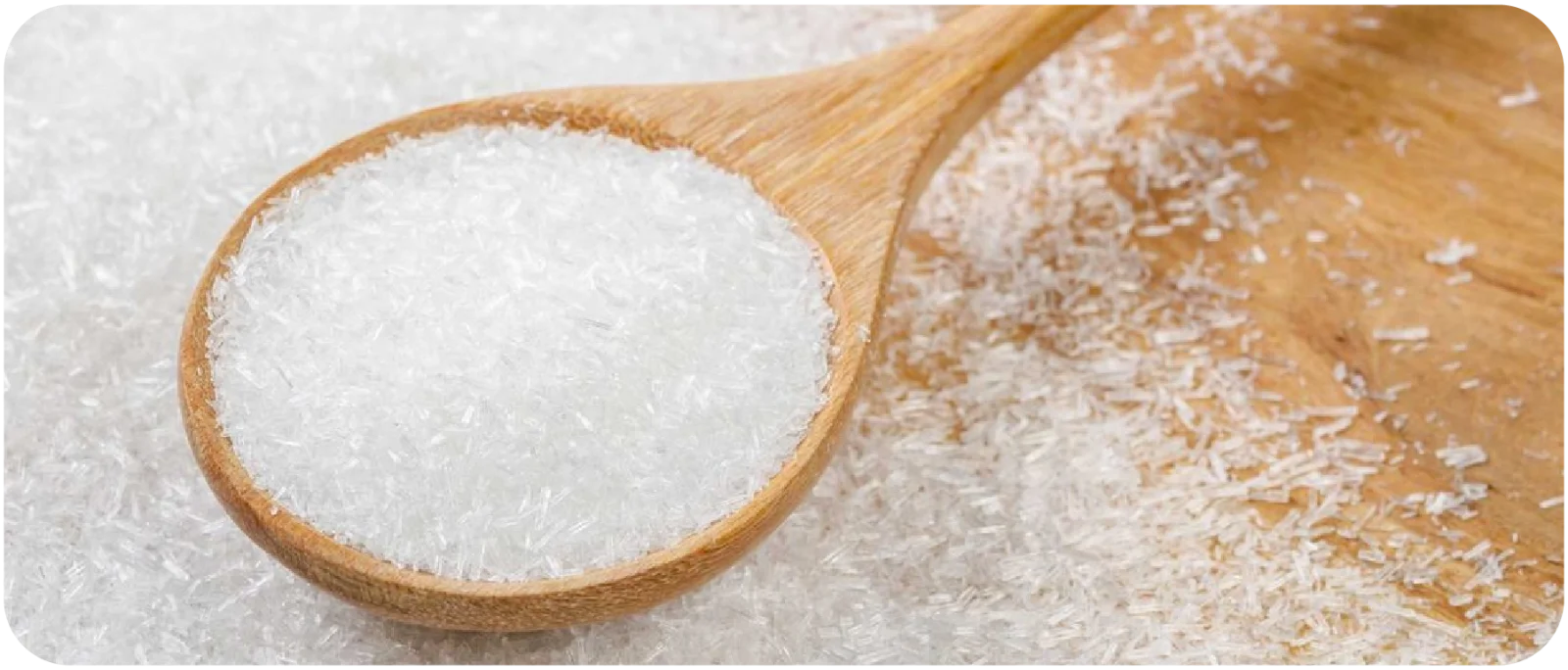
    Aji-no-moto is a spice known as the secret spice, it is made out of monosodium glutamate, now this might sound too chemical but it is a natural salt obtained usually from the fermentation of sugarcane, sugar beet or corn.

    It is a compound found in food with proteins like meat, milk and some vegetables and our body produces it and uses it for many processes.

    Aji-no-moto, also known as monosodium glutamate ( MLG for short), is the sodium salt of glutamic acid. It’s one our most common naturally occurring amino acids and it can be found in many foods we eat on a daily basis like meat or fish; dairy products such as yogurt & milk; eggs plus tomatoes! The proteins make up about 20% with 2%.

    When a protein containing the amino acid glutamic is broken down, for example through fermentation or digestion in our body it becomes glutamate. The savory taste known as umami can then be elicited by tasting this flavor with its unique rich mouth feel that has been compared to beef broth’s bouillon cubes (sodium).

    AJI-NO MOTO® doesn’t contain any salt which may make some people think otherwise since there are no added flavors like spices; however what you’re experiencing here upon eating each bite isn’t just sodium chloride but also involves other ingredients

    such as calcium pantothenate (a vitamin B5) & potassium chloratum – these ensure your tongue gets all of those vital nutrients its craving every time!

    Best Digital Marketing services Visit Here

    What can we use the ajinomoto spice for?

    Ajinomoto is a brand name for monosodium glutamate (MSG), a flavor enhancer commonly used in Asian cuisine. Ajinomoto spice can be used in a variety of dishes to enhance their flavor, including:

    1. Stir-fries: Ajinomoto can be added to stir-fries to enhance the savory umami flavor of the dish.
    2. Soups and broths: Ajinomoto can be added to them to deepen their flavor and make them more savory.
    3. Marinades and rubs: Ajinomoto can be used in marinades and rubs to add flavor to meats and vegetables.
    4. Seasoning for rice and noodles: Ajinomoto can be sprinkled over rice or noodles to add flavor and depth.
    5. Snacks: Ajinomoto can flavor snacks like popcorn, roasted nuts, and chips.
    6. Sauces and dressings: Ajinomoto can be added to sauces and dressings to enhance flavor.

    It is essential to note that some people may be sensitive to MSG and experience adverse reactions such as headaches, sweating, and flushing. Therefore, as with any food ingredient, using Ajinomoto in moderation and according to personal preference is recommended.

    Is it safe to eat aji-no-moto?

    Many investigations have been made and found that eating aji-no-moto represents no harm, such as:

    • It is not harmful in small portions for pregnant women or kids (The human milk has a great concentration of monosodium glutamate).
    • It has also been shown that it is not an allergenic substance, nor a carcinogenic substance.
    • It won’t produce any special effects or conditions on the brain.

    There is no limit established on how many aji-no-moto a person may eat, but since it is used in small quantities on each meal there should be no worries on any second effect on our body.

    Check out:  FIELD CUACUA WAFER COVERED CHOCOLATE FLAVOR 

    Why Peruvian Cuisine uses Aji-no-moto spice?

    The Peruvian gastronomy usually uses a lot of spices and peppers, most of them are originally from Peru, but they are some exceptions.

    The Peruvian cuisine is the product of a mixture of different continents like Europa, Asia, and Africa, of course considering the Incas gastronomy influences.

    The Aji-no-moto spice is a condiment used in Peru as a result of the Asian influences in their gastronomy and it has been well received thanks to its great taste.

    Where can you find Aji-no-moto spice?

    Nowadays, the aji-no-moto spice is produced by a company with the same name and it can be found in different stores or in websites specialized in Chinese and Peruvian food. Here in KOSMOS Peru you can find different presentations of this spice, check them here.

    Aji-no-moto is a popular monosodium glutamate (MSG) brand, a flavor enhancer most commonly used in Asian cuisine. MSG is a white crystalline powder derived from glutamic acid, an amino acid found naturally in many foods, including meat, fish, and vegetables. MSG is known for its ability to enhance the savory umami flavor of foods, making them more delicious and satisfying.

    Aji-no-moto is a Japanese MSG brand widely available in many parts of the world. It is sold in small packets or jars and is typically found in the Asian section of grocery stores and specialty stores selling Asian food products. In addition, aji-no-moto can be purchased online from retailers like Amazon, Walmart, and Asian food specialty stores.

    Check out: INCA’S FOOD YELLOW HOT PEPPER 7.5 OZ.

    In Japan, Aji-no-moto is used in various dishes, including soups, stews, stir-fries, marinades, and dressings. It is also commonly used as a seasoning for rice and noodles. In addition, Aji-no-moto is used in many processed foods, such as instant noodles, snacks, and frozen meals, to enhance their flavor.

    Outside of Japan, Aji-no-moto is also popular in many other Asian countries, including China, Korea, Thailand, and Vietnam. In these countries, Aji-no-moto is used, similarly to Japan, to enhance the flavor of various dishes and foods.

    In the United States, Aji-no-moto can be found in most Asian grocery stores and some mainstream grocery stores that carry a selection of international foods. It is also available for purchase online from various retailers.

    When shopping for Aji-no-moto, it is important to note that MSG is often used in other brands of flavor enhancers as well. Therefore, it is important to read the label carefully to ensure that the product you are purchasing is indeed Aji-no-moto.

    Additionally, it is essential to note that some people may be sensitive to MSG and experience adverse reactions such as headaches, sweating, and flushing. Therefore, as with any food ingredient, using Aji-no-moto in moderation and according to personal preference is recommended.

    In conclusion, Aji-no-moto spice can be found in most Asian grocery stores, as well as in some mainstream grocery stores and online retailers. It is a popular monosodium glutamate (MSG) brand widely used in Asian cuisine to enhance foods’ savory, umami flavor.

    Aji-no-moto is used in various dishes, including soups, stews, stir-fries, marinades, dressings, and as a seasoning for rice and noodles. As with any food ingredient, using Aji-no-moto in moderation and according to personal preference is essential.

    How does the fermentation process work?

    Fermentation is a fascinating process that humans have used for centuries to preserve foods and enhance their taste. Fermented drinks include beer, wine, kombucha tea…

    In addition, it’s been shown in recent years how valuable fermented food can be when we’re seeking better digestibility of grains like rice or beans as well as vegetables such legumes which may otherwise not get digested properly without the aid from acids produced during fermentation.

    AJI-NO-MOTO® is made of naturally occurring substances through a modern version of that process, using microbes to transform feedstocks like sugarcane into food products. First the glucose in AJINOMotos’and then it’s sent over for fermentation with specific typesets bacteria which turn out all sorts of goodies!

    The Process: The first step involves extracting what you would call “sugar” from Ethanolically fermented Cane Juice (AJI) Moss Agarwal B Vitamins!. This raw material can come separated but needs upgrading before conversion; this sorcery begins when yeast starts snackin’ on sugars.

    Read More: HUACATAY SAUCE: CREAMY AND SPICY

    A team of microbes consumes glucose, converting it to glutamic acid. This neutralized and filtered solution is then evaporated for purity but not before being crystallized with an extractor machine that concentrates its nutrients into a potent cocktail-sized serving.

    AJI NO MOTO®! The entire process has virtually no environmental impact as all coproducts can go back onto our farms where they belong: helping us grow more crops like sugarcane, forming what we call “The virtuous cycle.”

  • How To Make Authentic Ají de Gallina

    How To Make Authentic Ají de Gallina


    Those who want a taste one of the real flavours of Peru, without any doubt must taste the incredible flavors Ají de Gallina can offer. This delicious Peruvian dish has spicy chicken with creamy yellow sauce.

    The chicken is shredded to facilitate the sauce penetration of it.  The main star in this dish is the yellow pepper, a characteristic and really important Peruvian ingredient.


    Know how to prepare it perfectly:

    Ingredients

    • 1 Whole Chicken
    • 33 fl Oz. of water or chicken broth (1 Liter)
    • 1 onion
    • 1 teaspoon of garlic powder
    • 4 Tablespoon of yellow Ají paste
    • 7 Oz.  Bread without the crust (200g)
    • 2 Oz Black olives (55g)
    • 6 fl Oz. Evaporated milk (200ml)
    • 5 Oz. Nuts (150g) 
    • 6 tablespoon of Parmesan cheese 
    • 6 Medium potatoes
    • 6 eggs
    • 6 cups of white rice
    • Oil to taste
    • Salt and pepper to taste 

    You may also Check: INCA'S FOOD YELLOW HOT PEPPER - AJI AMARILLO

    Preparation:

    • First, you need to make some previous preparations: Boil the eggs on hot water until they are hard. Then peel them and cut them into thick slices, keep them apart.


    • The potatoes need to be washed, peeled and boiled on a pot with water until you can nail them with a fork and they fall off from it. Then cut it into thick slices and keep apart.
    • You first need to cut the chicken into pieces (We recommend 8, so the flavors penetrate better each piece and to accelerate the cooking process .


    • Cook the rice adding salt to taste.


    • On a pot pour the water or chicken broth and then add the chicken pieces, bring to boil and heat it over low heat until the chicken flesh is tender. The time this process takes is approximately 1 and a half hour or two hours.


    • Once the chicken is tender, let it cool inside the broth at room temperature.


    • On a big bowl, mix together the bread and the evaporated milk with a mixer until obtaining a smooth mixture.


    • Cut the onion in small cubes.


    • On a pot, pan pour the oil and heat it, then add the onion and fry it until it turns transparent. Then add the garlic powder and the yellow Ají paste and mix together.


    • Add to the pot pan the mixture of milk and bread previously prepared and 2 cups of the chicken broth obtained from boiling the chicken pieces.


    • Cut in small pieces the nuts and grate the cheese.


    • When the chicken is cold enough to handle it, peel the skin off and then shred it with your hands into medium pieces.


    • Add to the pot pan mixture the shredded chicken and mix it with the sauce.


    • Add the cheese to the pot pan; let it boil together for a couple of minutes, if the sauce is too thick, then add more broth.


    • To serve it, first put rice on the dish and then add the slices of potatoes. On top of the rice put the chicken with abundant sauce. Decorate the dish with the olives, nuts and the slices of hard-boiled egg. 

    You may also read: 5 Curiosities about Dulce de Leche/Arequipe.

    The Importance of Dish Presentation in Ají de Gallina

    Presentation plays a crucial role in enhancing the overall dining experience when it comes to enjoying a meal. Ají de Gallina, a beloved Peruvian dish, is no exception. 

    This dish's careful arrangement and thoughtful presentation can elevate its flavors and captivate the senses.

    Firstly, presenting Ají de Gallina with visual appeal adds to the anticipation and excitement of the meal. 

    The vibrant colors of the dish, such as the golden hue of the ají sauce and the bright green of the garnishes, create an enticing visual contrast. Furthermore, a well-presented plate can awaken the appetite, making the dining experience more enjoyable.

    Additionally, the presentation reflects the cultural heritage and traditions associated with Ají de Gallina. This dish is deeply rooted in Peruvian cuisine and carries a sense of pride and history. 

    Therefore, paying attention to its presentation honors the culinary heritage and showcases the cultural richness of Peru.

    To achieve an aesthetically pleasing presentation, consider the following tips. Start by selecting a suitable plate or bowl that complements the dish's colors. 

    For example, a white or light-colored dish provides a neutral backdrop, allowing the vibrant ají sauce and garnishes to stand out.

    Next, ensure the portions are evenly distributed and arranged neatly on the plate. For example, place a generous scoop of ají de gallina in the center and arrange the side dishes artfully around it.

    Read More: NO. 1 INTERIOR DESIGN COMPANY IN UAE

    Properly Serving Ají de Gallina with Complementary Accompaniments

    Ají de Gallina is a versatile dish that can be served in various ways, but some classic accompaniments enhance its flavors and create a well-rounded meal. Let's explore the traditional serving suggestions for Ají de Gallina.

    • Rice: Serve a mound of fluffy white rice alongside the Ají de Gallina. The rice acts as a neutral base that absorbs the flavorful sauce, balancing out the dish's richness.


    • Potatoes: In Peru, potatoes are a staple ingredient and pair exceptionally well with Ají de Gallina. Boil some small yellow potatoes until tender and serve them alongside the main dish. The soft, creamy texture of the potatoes complements the tender chicken and velvety ají sauce.


    • Olives: Ají de Gallina is often garnished with pitted black olives. These salty and savory bites add flavor and a pleasant textural contrast to the dish. Arrange a few olives around the plate or scatter them over the ají sauce.

    To serve Ají de Gallina:

    1. Start by placing a scoop of the chicken and sauce in the center of the plate.

    2. Arrange a serving of rice next to it, creating a visually pleasing contrast of colors.

    3. Surround the dish with either whole or halved boiled yellow potatoes, and add a few pitted black olives as a final touch.

    Tips for Garnishing Ají de Gallina with Fresh Herbs or Cheese

    To take the flavors of Ají de Gallina to the next level, consider garnishing the dish with a lot of fresh herbs or a sprinkle of cheese. These additional touches can elevate the taste profile and add a delightful complexity to the dish.

    • Fresh Herbs: One popular herb to use as a garnish for Ají de Gallina is cilantro. Its bright and fresh flavor pairs well with the richness of the sauce. Before serving, chop a small handful of cilantro leaves and sprinkle them over the dish. Alternatively, you can also use finely chopped parsley or a combination of both herbs for added depth of flavour.


    • Cheese: To add a creamy and slightly salty element, sprinkle a generous amount of grated Parmesan or queso fresco over the Ají de Gallina. The cheese will melt slightly, infusing the dish with its unique flavor. Try using grated feta cheese or crumbled blue cheese for a bolder twist.

    Remember to garnish the dish with herbs or cheese before serving to maintain its freshness and flavor. The herbs will add a pop of color, while the cheese will contribute a satisfying richness.

    Garnishing Ají de Gallina with fresh herbs or a sprinkle of cheese enhances the visual appeal and introduces new layers of taste and aroma. Experiment with different types of combinations to find the perfect balance that suits your preferences.

    By following these serving tips and garnishing suggestions, you can create an enticing and visually appealing presentation of Ají de Gallina that elevates the dining experience and honors the rich culinary heritage of Peru.

  • How to use ají amarillo in all its presentations

    How to use ají amarillo in all its presentations

    There are thousands of types of chilies and peppers around the world, but only a few of them leave a special mark on the people who taste them and become an emblem for a whole country, this is what happens with ají amarillo. 

    If you want to find out what makes this Peruvian pepper so special and exactly how can you consume it and use it in your recipes keep reading! 

    What is ají amarillo?

    Ají amarillo is also known as ají escabeche, ají verde or ají cuzqueño. This pepper is from the family of Capsicum Baccatum cultivated all around the coastal and northern regions of Peru. Ají amarillo is widely exported from Peru to countries like USA, Italy, Spain and even Japan. Peruvian immigration has increased those numbers greatly. 

    Ají amarillo has been grown since 6,500 B.C in the department of Áncash. Being such a prevalent ingredient through time, ají amarillo is actually considered the most important type of ají in Peruvian gastronomy, and one of the most popular ingredients used. 

    Characteristics 

    Ají amarillo can be 4 to 6 inches long, with certain subtypes like ají pacae or ají inca (grown in the southern Peruvian coast) reaching nearly 8 ½ to 10 inches long and considerably wider.

    Ají amarillo has thick, juicy, meaty insides with lots of seeds and veins inside. In spite of its name (which literally means “yellow” in spanish), this type of pepper is actually bright orange when ripe. In its early stages it has a greenish tone. Ají amarillo looks very similar to jalapeño peppers in shape and color, but they tend to grow a little longer and wider.  

    Check out: UMSHA MAZAMORRA MORADA MIX – PURPLE CORN MIX PUDDING

    Properties and flavour of ají amarillo 

    This special and popular ají has very meaty and juicy flesh with a fruity taste. It is also particularly aromatic. Even though some people say the spice is reduced when taking out the seeds and veins, ají amarillo ranks from 30,000 to 50,000 in the Scoville scale; competing with other peppers such as Cayenne pepper and Tabasco chillies. 

    But this pepper is more than just great taste. Some of the many properties of aji pepper are to soothe pains thanks to the great amounts of flavonoids, antibacterial action, improves acne-prone skin thanks to its vitamin A, burns fats naturally and even helps fight bad cholesterol. 

    How can you find ají amarillo

    One of the coolest things about ají amarillo is that it can be enjoyed in several different presentations and keep its delicious taste and spice. The most common ways in which you can find ají amarillo is fresh, frozen and in pastes or powders.

    The fresh version of course is harder to get, specially outside Peru. The frozen peppers can be found in more places, although it loses quality and texture when being defrosted and cooked. 

    The most popular way to consume this pepper is in the form of ají amarillo paste or powder, this means the pepper is dried out (in this state it’s called ají mirasol) and then minced and grinded until a light powder or paste is formed.  

    Popular recipes  

    As we mentioned before, ají amarillo is one of the most used peppers in Peruvian gastronomy, being the star of several delicious recipes. And the fact that you can use it easily in paste or powder form makes ají amarillo perfect to create sauces, creams, reductions and even broths. 

    Some popular recipes that include this pepper are risotto amarillo (which consists of making the risotto and replacing the traditional ingredients with this ají sauce) , anticuchos (peppers, onions, beef and chicken pieces grilled on a stick) dipped in ají sauce, Peruvian tiraditos and of course the traditional Peruvian ceviche (check the full recipe here). If you want to explore some of the best dishes that use ají amarillo click here. 

    As you can see, ají amarillo plays an important role in Peruvian gastronomy, being a part of every kitchen in the country and every traditional recipe. If you just got to know all about this popular bright pepper and you’re dying to taste its spice and flavor, 

    you can get ají amarillo paste and powder here and start learning traditional recipes or why not? Experiment with this exotic ingredient and create new and delicious meals.

    Ají Amarillo is one of the most popular spices in Latin America. This hot chili pepper is a condiment for many dishes and can be used for flavour drinks. Here are some tips on using ají Amarillo in all its presentations!

    Check out: NEGRITA ESENCIA DE VAINILLA X 90 ML.

    Ají Amarillo is a critical ingredient in all sorts of dishes.

    You can use it as a flavour enhancer, in sauces and salsas, or simply as part of your everyday meal. Here are some tips on incorporating ají Amarillo into all your presentations.

    Ají Amarillo is a critical ingredient in all sorts of dishes, but few people know that it can also be used in presentations. 

    Here are some best tips on how to use ají Amarillo in all kinds of displays:

    -Ají Amarillo can be a natural colorant for salads and other dishes.

    -It can also be used to add flavor to soups and stews.

    -Ají Amarillo can even be used as an ingredient in desserts.

    -There are many ways to use ají Amarillo, so be creative and enjoy its unique flavor profile!

    Benefits of using ají Amarillo

    Ají Amarillo is a versatile spice that can be used in many dishes. Here are some benefits of using ají Amarillo in all of your presentations:

    1. Ají Amarillo gives a delicious, zesty flavor to any dish.

    2. It is an excellent condiment for tacos and burritos.

    3. It can also be added to rice and beans for flavor and nutrients.

    4. Ají Amarillo is the main ingredient in soups, stews, and chili recipes.

    5. It can also be used as a garnish on food items such as tacos or salads.

    Check out: PERU FOOD KIKKO SIYAU

    The History of Ají Amarillo

    Ají Amarillo is a chili pepper that originated in the Andes Mountains. It is one of the most popular peppers in the world, with a flavour similar to that of jalapeño pepper. Ají Amarillo can be used in many dishes, which are trendy in Peru and Bolivia. For example, Aji Amarillo is often used as a spice in soups and stews in Peru. Ají Amarillo can also be used as a condiment on sandwiches or tacos.

    Ají Amarillo is a fruit that originates in the Andes Mountains. The fruit is used as a condiment and spice in many dishes. Ají Amarillo is also known for its intense, sour flavor. The history of Ají Amarillo dates back to ancient times. The Inca Empire used Ají Amarillo to add flavor to food. Ají Amarillo is famous throughout Latin America and other parts of the world.

    How to Use Ají Amarillo in Food

    Ají Amarillo (Spanish for “yellow chili”) is a common chili pepper used in Latin American cuisine. The color of ají Amarillo varies depending on the cultivar, but it is generally bright yellow.

    The flavor of ají Amarillo is mild, with a fruity taste and a slightly hot aftertaste. It can be used in many different dishes, from simple rice and beans to complex Mexican main courses. Here are five tips for using ají Amarillo in your food:

    1. Use it in sauces and stews: Ají Amarillo is a great addition to chili sauces and stews. It gives the dish a fruity flavor and a mildly hot aftertaste that will complement the other spices in the recipe.

    2. Use it in quesadillas: Ají Amarillo is perfect for enhancing the flavor of quesadillas. Add it to the mixture before putting it into the pan, or sprinkle it on top before serving.

    3. Add it to soups: Ají Amarillo can add a delicious fruity flavor to soup recipes. Add it directly to the this soup pot or blend it into

    Conclusion

    Ají Amarillo is a powerful spice that can add a pop of color and flavor to all your presentations. We will show you how to use ají Amarillo in various dishes and amp up your presentation’s flavor profile without overpowering your audience. We hope you enjoy learning about this versatile spice and find new ways to incorporate it into your cooking!

    Ají Amarillo is a vibrant and delicious yellow pepper that can add a touch of spice to all your presentations. This article will show you how to use ají Amarillo as an accent in all types of displays, from business meetings to webinars.

    We will provide tips on what foods to pair it with and how best to prepare it for production. You will be able to enjoy the flavour and brightness of ají Amarillo without having to worry about any fiery consequences!

    Check out: GUARANITA BACKUS ORIGINAL SODA