Author: admin

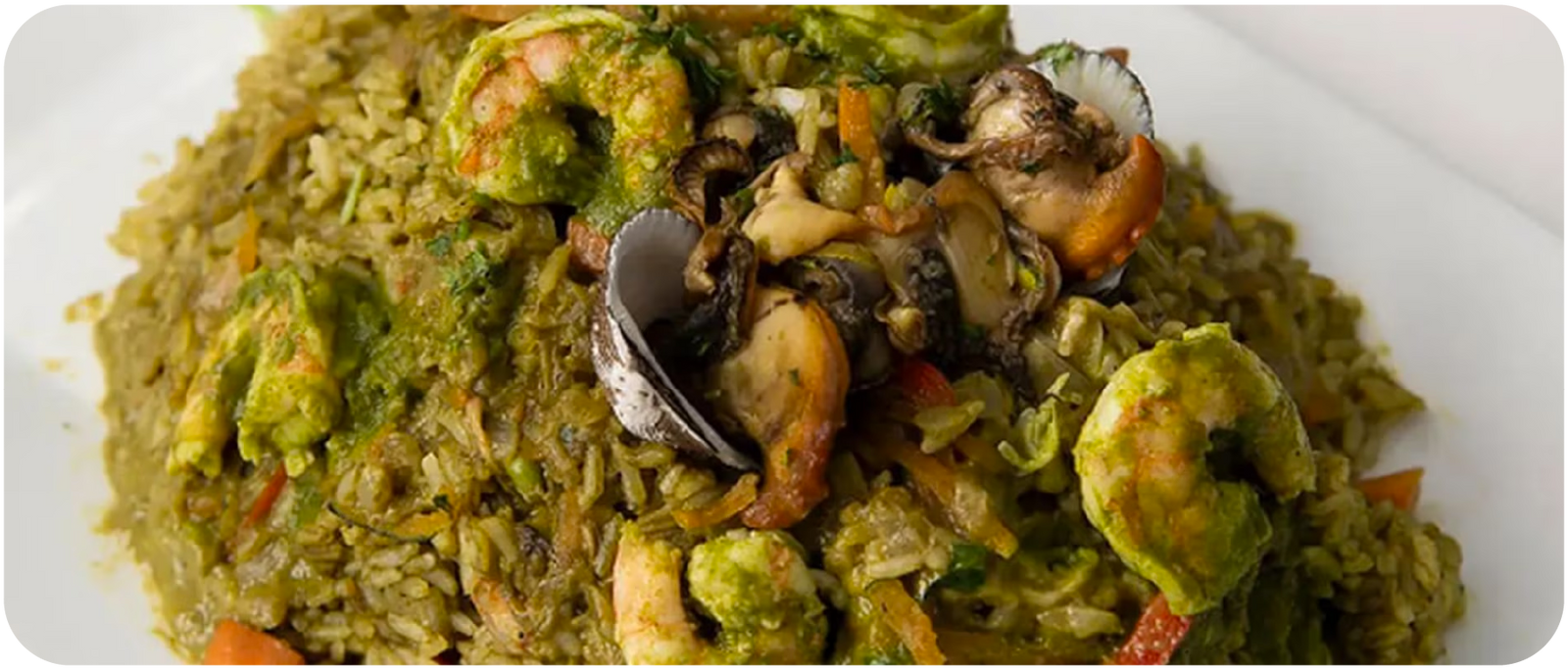
  • Arroz Verde con Mariscos – Peruvian Delicious Green Rice with Seafood Recipe

    Arroz Verde con Mariscos – Peruvian Delicious Green Rice with Seafood Recipe

    A great preparation with seafood is a big meal such as the Arroz verde con mariscos. Perfect for a dinner with everyone you love, this Peruvian recipe will definitely give a different twist to your meetings.

    Arroz verde con mariscos also known as the green rice with seafood is a Peruvian preparation like the Spanish Paella. The main difference is the different taste based on the spices and Peruvian peppers, the experience is great for those who love the seafood and we recommend using the preparation with the fish broth made with the fish heads since it brings better taste.

    If you don’t have the fish broth don’t worry, you can use dried flavouring and prepare it according to its instructions. Try this special food recipe and enjoy a big seafood meal.

    Check out: MAGGI POLLADA X 45 GR.

    Ingredients (10 portions)

    • 5 cups of white rice
    • ½ cup of vegetable oil
    • 5 cups of concentrated broth of fish
    • 1 red onion chopped into small cubes
    • 2 tablespoon of ají Amarillo paste
    • 1 cup of black beer
    • 1 cup of culantro paste
    • 12 fresh prawns
    • 12 fresh mussels
    • 9 oz. of fresh squid rings
    • 9 oz. of octopus pre-cooked and cut into rings
    • 2 heads of fish
    • ½ cup of corn cooked and shelled
    • ½ cup of cooked green peas
    • ½ cup of carrot chopped into small cubes
    • ¼ cup of pepper chopped into small cubes
    • 1 oz. of grated parmesan cheese
    • Salt to taste.

    Preparation

    1. On a medium pot, add 5 cups of water and a little bit of salt, set it on medium heat. Once it boils, add the previously washed and cleaned prawns, the mussels, the squid and the fish heads.
    2. Let it boil for 5 minutes, then take away all the seafood and put them on a bowl with cold water, this is for stopping the cooking process quickly.
    3. The fish heads should keep boiling until they are well cooked; it takes usually around 15 minutes. When they are ready, strain the fish broth and keep it apart.
    4. On a large pot, add vegetal oil and sauté the red onion with the garlic paste. When the onion looks transparent, add the rice cups and sauté them for 3 minutes.
    5. Add the fish broth previously prepared and complete with water if necessary for the proper quantity of liquid according to the rice preparation. Add salt to the taste and cover the pot.
    6. When the water boils up, turn low the heat and keep cocking it until the rice is ready, it should take approximately 15 minutes. Once the rice it’s cooked, turn off the heat and let it rest for 5 minutes.
    7. On a pan, add ¼ cup of vegetable oil and set the heat high. Add the chopped onion and the garlic paste, sauté it for 2 minutes
    8. Add the culantro sauce and the ají Amarillo. Fry them for 3 minutes or until most of the liquid evaporates.
    9. Add the black beer and cook it until, again, most of the liquid evaporates. Remember this will work as a sauce for the rice.
    10. Lastly, incorporate on a big recipient the cooked vegetables, the seafood (Except the mussels), the rice and the Parmesan cheese. Mix them until the color of the rice is homogeneous. Place the mussels on the top of the rice and let it rest for 5 minutes. It’s ready for serving.

    Arroz Verde is a popular dish in Peru with green rice, seafood, and various seasonings. This recipe for Arroz Verde con Mariscos is easy to make and perfect for a family dinner. Serve with some diced tomatoes and shredded cheese on top for extra deliciousness.

    Check out: MAGGI BRASA X 45 GR.

    What is Arroz Verde?

    Arroz Verde is a dish made from white rice and seafood. It is typically served with steamed vegetables or a fruit sauce. “Arroz Verde” comes from the Spanish word for “green rice.”

    Arroz Verde is a dish made from white rice and seafood. It is typically served with steamed vegetables or a fruit sauce. “Arroz Verde” comes from the Spanish word for “green rice.” The dish is popular in Peru and various Latin American countries but has also become popular in the United States. There are many variations of Arroz Verde, but the most common recipe calls for green peas, shrimp, and crabmeat.

    How to Make Arroz Verde with Seafood

    Many recipes call for Arroz Verde, a dish of white rice cooked with vegetables and seafood. This Peruvian version features shrimp, scallops, and calamari tossed in a lime vinaigrette. The word is delicious and healthy, perfect for a warm evening.

    Tips for Making a Perfect Arroz Verde

    Peruvian Arroz Verde is a delicious and nutritious dish perfect for any occasion. Here are some tips for making the word perfect every time:

    1. Use fresh, high-quality seafood. Arroz Verde is all about the seafood, and using fresh; quality ingredients will make a massive difference in the final product. Try using shrimp, scallops, mussels, or clams in your recipe.

    2. Don’t overcook the rice. Like with any other rice dish, overcooking will produce a mushy texture and bland flavour. Cook the rice until it is tender but firm to the bite.

    3. Be sure to season your Arroz Verde correctly. Too much salt or spices will overpower the delicate flavours of the seafood and vegetables. A light hand is vital when it comes to seasoning this dish. Try using cumin, chili pepper flakes, or other basic spices.

    4. Use fresh herbs and vegetables whenever possible. The fresher the ingredients, the better the flavour will be in your final product. Add diced tomatoes or green onions to add some extra boost of flavour to your dish.

    Check out: INCA’S FOOD ADEREZO ANTICUCHO BROCHETTE SEASONING

    What to Serve with Arroz Verde

    There’s no need to complicate matters when it comes to serving Arroz Verde, which means “green rice.” A simple plate of steamed green rice with seafood is all you need to transport your taste buds to Peru.

    Seafood options for Arroz Verde are endless, but some favourites include shrimp, scallops, calamari, mussels, and clams. The key is mixing things up so everyone can find something they enjoy. Then, add a squeeze of lime before serving for a refreshing touch.

    How to Cook Arroz Verde With Seafood

    The best way to enjoy a delicious and nutritious meal is to cook it yourself. And what could be more satisfying than cooking up a dish made with your favourite seafood? This great recipe will show you how to cook Arroz Verde, a popular Peruvian dish made with rice and seafood.

    To make this dish, you’ll need some essential ingredients: uncooked white rice, garlic, onions, galangal, ginger, cumin, turmeric, salt, and black pepper. You can find these spices at most grocery stores or markets.

    Next, you’ll need some seafood: squid ink pasta (if you can’t find it), shrimp, scallops, clams, or mussels. Be sure to buy fresh seafood; frozen seafood will not work in this recipe.

    Once the ingredients are ready, cook the rice according to the package instructions. Once the rice is cooked, add your chosen seafood and spices to the pot. Cook everything until the seafood is cooked and the flavors melded together. Serve hot and enjoy!

    Check out: INCA’S FOOD SUPER PICANTE ROCOTO HOT PEPPER

    4.Serving suggestions for Arroz Verde con Mariscos

    Are you looking for a delicious and colourful dish to serve at your next party? Try Arroz Verde con Mariscos! This Peruvian dish is made with fresh seafood and steamed green rice.

    To make this dish, you will need:

    -1 pound shrimp, peeled and deveined

    -1/2 cup cooked white rice

    -1/4 cup finely chopped red onion

    -1/4 cup finely chopped cilantro

    -2 tablespoons olive oil

    -1 teaspoon chili powder

    -1 teaspoon salt

    -1/4 teaspoon black pepper

    To prepare the seafood, you will need:

    -1 can (14.5 ounces) diced tomatoes, undrained

    -2 tablespoons tomato paste

    -2 tablespoons fresh lime juice

    -1 tablespoon olive oil

    -1 clove of garlic, minced

    To make the sauce, you will need:

    -3 tablespoons vegetable broth or chicken broth -juice of 1 lemon -chopped fresh cilantro leaves –salt to taste –freshly ground black pepper to taste

    Conclusion

    If you’re looking for a delicious and nutritious dish that will fill you up without weighing you down, look no further than this Arroz Verde con Mariscos recipe. It is made with fresh seafood and green rice and will be a favourite at your next dinner party or potluck.

    Not only is it filling and tasty, but it’s also easy to make – perfect and best for those busy weeknights when you don’t have time to spend in the kitchen. So give it a try tonight!

    Check out: INCA’S FOOD ROCOTO RED HOT PEPPER

  • 5 Essential ingredients for Peruvian Food

    5 Essential ingredients for Peruvian Food

    Peruvian Food is nowadays one of the most sophisticated and variated cuisines in the word. The creation of this cuisine is based on the pre-Inca’s and Inca’s traditions, but also combines the European, African and Asian cuisines, producing a really variated gastronomy that uses many ingredients and spices to achieve unique experiences that combines the flavors, colours and fragrances of four continents in just one dish.

    As a creative and prosper cuisine, Peruvian Food uses many different ingredients such as the scent of wild herbs, a wide variety of seafood and meats in order to bring not only great nutritional values but also a delicious festival of flavours.

    With so many ingredients some Peruvian cuisine enthusiasts might be a bit overwhelmed, but there is no need for this, since it’s possible to delimitate the main a basic ingredients needed for most of the Peruvian food recipes.

    Check out: DOÑA ISABEL HARINA DE CHUNO 12 OZ.

    Basic ingredients

    If you ever walk into a Peruvian kitchen, the smells and different colours will be the first things you might notice. Here are the five essentials ingredients you will need for most of Peruvian Food preparations.

    1- Red Onion:

    This variety of onion with sweeter and stronger taste really used in the Peruvian cuisine, with a great colour it is used as basic ingredient of any preparation. The flavour it brings after sautéing it is great for beef and stews preparation. This variety of onion can also be used in salads, but it is recommended to neutralize it a little before washing it with water or boiling it since it can be too strong.

    2- Aji Amarillo

    One of the main ingredients in most of Peruvian recipes, it is a variety of chili pepper from Peru that is hotter than a jalapeño but also brings a strong fruity flavor, similar to the taste in raisins. It can be use in salads, as a garnish or it can be blended as a paste and be used in different sauces and preparations. 

    3-Potatoes

    One of the favourites accompaniments, usually present in all the Peruvian dishes. They are used in Peru since the Incas civilisation and its nutritional value makes it one of the most important ingredients in Peruvians food. There are different variates of potatoes, and all of them are used in different Peru recipes. It is used for smash potatoes, fresh fries and different traditional dishes such as Causa Rellena.

    4-Corn:

    One of the most ancient ingredients, the Peruvian Cuisine uses different kind of corns of variated colours and sizes. Some are prepared to be eaten directly as a snack. One of the more emblematic kinds of corn is the purple corn, used in the preparation of food and beverages, like “Chicha morada” a refreshing drink made with boiled ground purple corn with pineapple, cinnamon, spices, sugar and lemon.

    5-Camote:

    This tuberous root is a large, starchy and sweet ingredient with high nutritional value; it is usually used instead of potatoes in different recipes. Is one of the ingredients with highest values of vitamin A, as 100g of camote have more vitamin A than 100g of carrots.

    Peru has many spices, fruits, and vegetables necessary for any Peruvian dish to be done well. If you’ve just arrived from Peru or are not great at cooking yet, here are some essential Peruvian ingredients that will make your dishes more seamless!

    Check out: IBERIA EXTRA VIRGIN OLIVE OIL X 68 FL.OZ.

    What is the Peruvian Food Staples?

    Peruvian cuisine is known for its diverse and delicious food staples. Below is a list of some of the most popular Peruvian food items and their corresponding ingredients.

    1. Cuy (a type of roasted guinea pig) 

    2. Aji de gallina (a Peruvian chili sauce) 

    3. Queso Blanco (a fresh cheese) 

    4. Achuarí (a type of wild anteater) 

    5. Pisco sour (a Peruvian cocktail)

    6. Chupe de palomilla (a type of lamb stew) 

    7. Arequipeño (a type of fish stew)

    The Peruvian Food Pyramid

    Peruvian food is a mix of indigenous Andean cuisine and European influences. The three main food groups are seafood, chicken, and beef. The most popular Peruvian dish is ceviche, a cold seafood dish made with lime, salt, onion, and chili pepper. 

    Another popular Peruvian dish is avocado, a type of stew made with potatoes, chilies, garlic, and other spices. Peru also has its versions of French fries and tacos.

    Peru’s Most Famous Dishes

    Peruvian cuisine is heavily influenced by the indigenous cultures that predate the Spanish colonisation of the country. In particular, the Inca and pre-Inca cultures left a lasting impression on Peruvian cuisine. It can be seen in various spices, herbs, and fruits unique to Peru.

    Some well-known Peruvian dishes include ceviche, a seafood dish made with lime, salt, and chile peppers; Arroz chaufa, a type of rice pudding made with evaporated milk and dulce de leche; and Sopa de Lima, a thick soup made from chicken or beef broth, potatoes, macaroni or other vegetables, and usually some meat or seafood.

    Check out: INCA’S FOOD ROCOTO HOT PEPPER 7.5 OZ.

    How to Cook Peruvian Cuisine

    If you’re looking for a yummy and authentic way to cook Peruvian cuisine, you’ll want to try one of the recipes featured on this blog! Whether you’re new to Peruvian cooking or want to tweak a recipe, we’ve covered you. Here are some essential ingredients for cooking Peruvian food:

    -Chili peppers: A staple in Peruvian cuisine, chili peppers add heat and flavor to many dishes. Try using different types and amounts depending on your recipe. For example, use less heat in a soup or stew while adding more to a dish like a sauce or stir-fry.

    -Cilantro: Another common ingredient in Peruvian cuisine is fresh and dried cilantro. Try using it in dishes as a fresh herb or dried and ground into a powder for added flavour.

    -Lima beans: A legume often used in Peru as a protein source, lima beans are also an essential ingredient in many Peruvian dishes. Try using them, either cooked or canned, depending on your recipe.

    -Salt: An essential seasoning in many Peruvian dishes, salt helps bring out the flavors of various ingredients. Try using different

    Recipes for a Sample Night’s Menu from Lima

    If you want a delicious and nutritious meal that will please the whole family, look no further than this sample night’s menu from Lima. These dishes are really perfect for a quick and easy dinner or to show your guests that Peruvian cuisine isn’t just about spicy chicken dishes!

    Peruvian food is traditionally rich in flavour and packed with healthy ingredients. Here, we’ve included some of our favourite recipes that showcase these qualities.

    For starters, try our Crispy Avocado Salad with Aji Amarillo Dressing. It is light and refreshing, perfect for a hot summer day. Or try our Slow Cooker Spicy Lime Pork Tenderloin, which is so succulent and flavourful you won’t believe it’s made in the slow cooker!

    For a heartier meal, try our comforting Andean Stew with Rice. This dish is filled with tender chunks of beef and hearty vegetables, making it the perfect meal to warm you up on a cold winter night. Or try our Quick and Easy Peruvian Salmon with Cilantro-Lime Dressing – it’s so simple to make and will be a hit at any dinner party!

    And finally,

    Check out: FOCH SALSA PARA TALLARIN SALTADO

    Are There Any Vegetarian or Vegan Dishes in Peru?

    Yes, vegetarians and vegans can find a variety of vegetarian and vegan dishes in Peru. In particular, Puno is home to some of the best vegetarian and vegan restaurants in Peru. Some of Puno’s best vegetarian and vegan dishes include the causa (a potato dish), alpaca stew, French-style lentil soup, and tiradito de choclo (a type of corn dish).

    Conclusion

    If you’re planning on traveling to Peru, it’s essential to be familiar with the different food types available in the country. From traditional dishes like ceviche and aji de gallina (chicken stew) to more modern fare like tiradito (a Peruvian take on sushi), we’ve compiled a list of the essential ingredients you’ll need for Peruvian meal.

    So whether you’re looking to explore some of the most iconic restaurants in Lima or want to prepare some of your delicious meals while traveling, our guide will have everything you need!

    Check out: FANNY MERMELADA DULCE CON FRESA Y PULPA DE MANZANA

  • How to make Peruvian Anticuchos

    How to make Peruvian Anticuchos

    The Peruvian Anticuchos is a recipe created since long ago in Peru. Its preparation uses heart beef cuts prepared in brochettes with a delicious sauce made with Peruvians peppers and spices. It is an alternative from usual beef cuts and will definitely give a new experience to your senses.

    Peruvian Anticuchos are such an important dish that it even has a National Day in Peru, on October 17th. The name Anticuchos is a derivation from the quechua “antikichu” which means Andean Cut.

    Originally for this dish, the meat used was llama meat but over the years the preparation changed to Heart beef since it’s similar and easier to get.

    Even though eating the heart beef is not usual in many cultures, this recipe has emigrated to other countries and has earned a reputation because of its great taste.

    We recommend you this recipe is you are willing to try true Peruvian gastronomy and of course, using the authentic seasonings and peppers is fundamental to obtain a great flavour.

    If you are not a big fan of using heart beef, you may try with regular beef and still experience the great flavour of this recipe. The focus here is to have a great experience and offering a meal for everyone to be happy.

    Check out: SIBARITA AJI PANCA PEPPER SAUCE – NON SPICY

    Ingredients (For 4 portions)

    • 1 Heart beef
    • ½ Tablespoon of pepper
    • ½ tablespoon of cumin
    • 2 Teaspoon of ground oregano
    • ¾ cup vinegar
    • Brochette sticks
    • Corn Leaves
    • Salt to taste

    Preparation

    • The first step is to clean the heart, which means cut off the fat and the membrane that covers the heart, use a knife for this. Keep just with the flesh of the heart.
    • Cut the heart making diagonal cuts, each cut should be 1 inch approximately.
    • On a medium bowl, mix all the condiments: The garlic paste, salt, pepper, cumin and oregano until you obtain a homogeneous mixture.
    • Pour the vinegar to the previous mix and stir together.
    • Macerate the pieces of beef heart with the mixture prepared for at least 2 hours, if possible; leave it macerate the whole night.
    • Prepare brochettes with the pieces of marinated beef. It is recommended 3 for each stick
    • Now take the brochettes to the grill, it is recommended to grill them for the better taste, but if you want to, you may cook them on a pan with oil.
    • Make sure they are well cook on both sides and with a cocking brush cover them with more of the marinate sauce.
    • They are ready, serve them and enjoy them with your favourite accompaniments.

    For the accompaniments of this dish you may prepare some French fries, your favorite salad or you can try with other Peruvian food recipes such as the Papa a la Huancaina, you also can prepare delicious dips to take your Peruvian Anticuchos to another level of experience, for this we recommend chimichurri as a perfect sauce to use with beef cuts.

    Check out: INCA’S FOOD ADEREZO ANTICUCHO BROCHETTE SEASONING

    How to make Peruvian Anticuchos

    If you’re a spicy food fan, then you’ll love Peruvian Anticuchos. These skewers are made from strips of anticucho meat that have been marinated in a complex blend of spices. The skewers can be grilled or barbecued, perfect for a quick and easy meal.

    What are Anticuchos?

    Peruvian anticuchos are a popular street food made from grilled skewers of chicken covered in a spicy condiment. This great dish is usually served with rice and a side of salad.

    Peruvian anticuchos are a dish made from a specially seasoned and grilled pork skewer. They are a portion of popular street food in Peru and can be found at many local restaurants. The anticucho is traditionally served with a sour cream sauce and fried onions, but you can also enjoy it plain or with a side of white rice.

    How to make Peruvian Anticuchos

    Peruvian anticuchos are a popular dish in Peru, and for a good reason. These skewers of chicken or pork are both delicious and easy to prepare. Here is how to make them:

    1. Cut your chicken or pork into 1-inch cubes. You can use any meat, but we recommend using chicken or pork because they’re both relatively easy to cook and skewer.

    2. Thread the cubes onto skewers, making sure they’re evenly spaced apart on the skewer. We recommend using bamboo skewers for this recipe because they’re durable and easy to clean.

    3. Preheat your grill or grill pan over medium-high heat. Once it’s hot, place the skewers onto the grill and cook until the meat is cooked through, about 5 minutes per side.

    4. Serve the anticuchos hot with a dipping sauce of your choice (our favorite is a soy-based teriyaki sauce). Enjoy!

    Check out: FOCH SALSA PARA TALLARIN SALTADO – 500 CC.

    How to prepare the chilies

    To make authentic Peruvian Anticuchos, you’ll need to start with some quality chilies. You can be either get them from a local market or create your own. Here are instructions for both methods:

    How to Get Chilies from a Local Market

    If you’re looking to get chilies from a local market, ask the vendor what type of chili they have and how spicy it is. Generally, the hotter the chili, the better it will taste in anticuchos.

    To prepare your chilies, start peeling and slicing them into thin strips. Then, ensure they are fresh and fragrant before using them in your anticuchos recipe.

    How to make the anticuchos

    If you’re a fan of Peruvian cuisine, then you’ll love anticuchos. These skewers are made from various cuts of chicken and are best served with a dipping sauce. Whether you’re cooking for yourself or entertaining a group, these skewers are a quick and easy dish to make.

    First, prepare your chicken cuts. You’ll need breasts, thighs, and wings. Cut the breasts into thin strips, the thighs into inch-thick slices, and the branches into small pieces.

    Then, mix salt, pepper, and cumin powder in a bowl. Rub this mixture all over the chicken pieces.

    Next, prepare your skewers by threading them through the chicken so that they’re standing upright. Make sure that the meat touches each other so that they cook evenly.

    Finally, heat some oil in a large skillet over medium heat. Once hot, add the skewers and cook for about 3 minutes per side until golden brown and cooked. Serve with your choice of dipping sauce.

    Check out: FOCH SALSA PARA TALLARIN SALTADO

    How to serve the anticuchos

    One of the most popular dishes in Peru is anticuchos or skewered chicken hearts. Here’s how to make them at home!

    Ingredients:

    • 1/2 small onion, diced
    • Three cloves of garlic, minced
    • 1/2 teaspoon cumin seeds
    • One teaspoon of smoked paprika
    • 1/4 teaspoon chili powder
    • 1/4 teaspoon ground ginger
    • 1/4 teaspoon ground cinnamon
    • Kosher salt and freshly ground black pepper, to taste
    • Eight chicken hearts (about 2 1/2 pounds), trimmed of any visible fat and cut into 1-inch cubes
    • Fresh cilantro leaves for garnish

    For the marinade: 

    2 cups chicken stock, 1/4 cup white balsamic vinegar, two tablespoons olive oil, one tablespoon honey Kosher salt, and freshly ground black pepper, to taste 

    To make the anticuchos, preheat a grill or pan over medium-high heat. In a small bowl, combine the onion, garlic, cumin seeds, smoked paprika, chili powder, ginger, cinnamon, salt, and pepper. Add the chicken cubes and toss to coat. Marinate for at least 30 minutes or overnight in the refrigerator

    Check out: D’ONOFRIO BONBONS BOMBONES X 72 ML.

  • The Secret of Peruvian food: Why is it so Delicious?

    The Secret of Peruvian food: Why is it so Delicious?

    It is not a secret that Peruvian Food is well known as one of the most diverse and rich of the world. The preparation of unique dishes has earned world wide attention and you may be wondering: Why is Peruvian food so tasty?

    What is so special about it? The secret involves all the influences and cultures that come together in Peru. We invite you to learn more from Peruvian Gastronomy.

    It’s not just because of the ingredients and spices, but also because of the people. The Peruvian people have a very special way of cooking food that, even if you’re not from Peru, you can easily appreciate.

    The Secret of Peruvian food is that it is rich in spices and herbs. It has an intense flavour, which makes it a favourite among the locals. These ingredients are what make the taste so unique and one-of-a-kind. The dish also comprises of rice, potatoes, chicken or beef, cilantro, onion and tomatoes.

    Peruvian food is the combination of ingredients and spices that make up the cuisine. The most important ingredient is aji amarillo, which is a yellow pepper paste. The technique for making this spice blend varies from region to region, but all dishes are made with aji amarillo.

    It can be easily prepared in an oven or on the stovetop. It’s also very easy to transport as it doesn’t need to be cooked in advance.

    The Secret of Peruvian food has been passed down through generations and generations of cooks who have learned how to prepare these recipes with ease and perfection. It is also one of the most popular cuisines in the world.

    Peru is located in the southern part of South America, which means it has a lot of natural resources and good climate. This makes it possible for Peruvians to grow their own food, which makes their food even more delicious and healthy.

    Check out: CHICHA LIMENA TRADITIONAL CHICHA MORADA DRINK

    We need to take a look at the past

    When we hear Peru, it is possible that the first thing that comes to our mind is the ancient city  of Machu Picchu, one of the most important places of World Heritage and a small window to the past about the Inca culture. We must consider that the big Inca civilization was in Peru hundreds of years ago because the Inca culture was the foundation of the Peruvian Gastronomy.

    · Variety was important

    In the ancient Inca gastronomy, they used different animals to create nutritious dishes since they believed the more variety your meals, the healthier you would be. Of course, at the present the variety of animals used are less but instead it is a common practice in Peruvian Cuisine to use different parts of the animals in order to prepare the traditional dishes. For example, the use of beef heart for the Peruvian Anticuchos. (If you want to check this recipe, read this article).

    · Herbs used for a better taste

    The use of herbs is also a great influence from the Inca culture and one of the main traits of Peruvian Food. Using herbs like coriander and Parsley in order to add a fresh taste and variety of colours to the dishes is an important aspect of Peruvian Food.

    The combination of different regions  

    Over the years, Peru has gone through big and unique cultural exchange with different cultures such as Chinese, Japanese, Italian, African and Cantonese. This exchange has influenced Peruvian Food, adding ingredients and techniques for creative preparations, as well as tropical version of many dishes from other regions of the world.

    Check out: INCA'S FOOD YELLOW HOT PEPPER - AJI AMARILLO

    The ingredients importance In Peruvian Food

    Peru enjoys a tropical climate most time of the year, this makes it easier to produce crops of various kinds and of course, to easily produce crops from other regions and countries.

    This is an important fact because it helps keep all kind of fresh ingredients all through all the year. With all the ingredients at hand you are free to try different combinations and use them for creating amazing dishes.

    The fresh herbs and variety chilies are of great importance for the preparation of Peruvian Food. Obtaining these ingredients is terribly hard if you are not located in Peru, which is why many websites offer authentic Peruvian ingredients like here in KOSMOS Peru, were we bring you a vast variety of Peruvian ingredients in different presentations, to help you explore all the flavours Peruvian Food has to offer.

    Check out: INCA'S FOOD YELLOW HOT PEPPER 10.5 OZ.

    The diverse mix of ingredients creates new flavours around every corner. One thing that makes Peru’s cuisine so interesting is that it uses fresh ingredients from the land, sea and sky to make amazing dishes.

    What are some famous Peruvian dishes?

    - Juliana’s famous pork chops topped with a creamy sauce and fruit on top

    - Cuy (guinea pig) cooked in green sauce wrapped in banana leaves

    If you’re new to the wonderful world of fusion food, Peru might be the place to start. With delicious dishes that incorporate different cultures into a single dish, Peru is home to some amazing fusion foods.

    These blended dishes originated in Spain and Portugal and were famously brought over by the Spanish conquerors in the 16th century.

    Many current-day Peruvian cuisines are derived from these contributions - from paella to tiradito. Peruvian-style cocktails have become very popular in recent years, with many countries across the globe having adapted the unique flavours.

    This country has also been known for creating stunning drink recipes; like a Perhaps one of the most popular drinks in Peru is the Pisco Sour. It's a traditionally made drink with Pisco brandy.

    But now, some restaurants have started to offer a new entry point into Peruvian cuisine with the pineapple juice variation. They have found that this fusion can be quite enjoyable, as many people find a prominent flavour in pineapple that works well with the liquor.

  • Exploring Peruvian Delights in the Heart of Nashville

    Nashville, Tennessee, isn’t just about country music and hot chicken anymore. This vibrant city has been quietly and deliciously embracing a new culinary trend – Peruvian food.

    In this blog post, we’ll embark on a journey through Nashville’s blossoming Peruvian food scene, exploring the tantalizing flavors, rich history, and where you can savor these incredible dishes.

    The Heart and Soul of Peruvian Cuisine

    Peruvian cuisine is more than just food; it’s a reflection of the country’s history, geography, and diverse cultural influences. Imagine a culinary canvas where indigenous ingredients like quinoa and potatoes meet the flavors of Spanish conquistadors and the culinary traditions of African, Chinese, and Japanese immigrants.

    The result is a remarkable fusion of tastes and textures that leaves a lasting impression on anyone fortunate enough to experience it.

    Signature Peruvian Dishes to Savor

    Ceviche: Let’s kick things off with Peru’s crowning jewel – ceviche. It’s a dish that’ll transport you straight to the sun-kissed beaches of Lima. Fresh fish or seafood, marinated in zesty lime juice, and mixed with onions and cilantro create a mouthwatering explosion of flavor. Served with sweet potato and crunchy cancha corn kernels, it’s a refreshing dish that’s a true delight.

    Lomo Saltado: If you’re in the mood for a hearty and savory dish, Lomo Saltado is your answer. Tender strips of beef, sautéed with onions, tomatoes, and French fries, and served with rice, create a flavorful stir-fry that’s a perfect example of the Chinese influence on Peruvian cuisine. It’s comfort food with a kick!

    Aji de Gallina: Creamy, comforting, and rich in flavor, Aji de Gallina is like a warm hug on a plate. Shredded chicken in a creamy yellow chili pepper sauce, often served with rice, potatoes, and hard-boiled eggs, is a harmonious blend of mild spice and luscious texture that you won’t soon forget.

    Anticuchos: For the adventurous foodie, Anticuchos are a must-try. These skewers of marinated and grilled beef heart, typically served with a spicy peanut sauce, offer a unique and flavorful dining experience that’ll broaden your culinary horizons.

    Papa a la Huancaina: Potatoes are a cornerstone of Peruvian cuisine, and Papa a la Huancaina showcases their versatility beautifully. Boiled yellow potatoes drenched in a creamy sauce made from cheese, yellow chili peppers, and evaporated milk, and topped with hard-boiled eggs and olives, is a symphony of flavors and textures that’ll leave you craving more.

    Inca Kola and Chicha Morada: To complement your meal, don’t forget to sip on some quintessential Peruvian beverages. Inca Kola, often called “the golden cola of Peru,” is a sweet, luminous yellow soda with a unique flavor that’s both hard to describe and impossible to forget. Chicha Morada, a non-alcoholic purple corn beverage infused with cinnamon, cloves, and fruit juices, provides a refreshing counterpoint to the bold flavors of Peruvian cuisine.

    Where to Experience Peruvian Delights in Nashville

    1. Machupicchu Peruvian Cuisine: Nestled in the heart of Nashville, Machupicchu Peruvian Cuisine is a beloved restaurant renowned for its authentic Peruvian dishes. With a menu featuring everything from ceviche to Aji de Gallina, it’s the perfect spot to savor the true essence of Peruvian flavors in a cozy, welcoming atmosphere.

    2. Limón Jungle: Limón Jungle offers a fusion of Latin American cuisines, including Peruvian, in a chic setting. Their Lomo Saltado and inventive ceviche options are a must-try. Be sure to explore their signature cocktails to enhance your dining experience.

    3. Taste of Peru: This family-owned gem is dedicated to serving traditional Peruvian dishes made from scratch. Their commitment to authenticity shines through in every bite, from their savory empanadas to their tantalizing seafood dishes.

    4. Gochi Sushi Fusion: While primarily a sushi haven, Gochi Sushi Fusion takes you on a culinary adventure with Peruvian-infused sushi rolls and dishes like Nikkei-style ceviche, showcasing the influence of Japanese immigrants on Peruvian cuisine.

    5. La Hacienda Taqueria: A charming fusion of Peruvian and Mexican flavors, La Hacienda Taqueria offers a unique experience. While you can indulge in classic Mexican fare, don’t miss their Peruvian specialties like Papa a la Huancaina and the delightful Chicha Morada.

    Conclusion

    Nashville’s culinary landscape has evolved to embrace the diverse and exciting flavors of Peruvian cuisine. From the zesty ceviche to the hearty Lomo Saltado and the comforting Aji de Gallina, there’s something to please every palate.

    Whether you’re a Peruvian food aficionado or an adventurous eater looking to expand your horizons, Nashville’s Peruvian restaurants promise a delectable journey through the enchanting world of Peruvian cuisine.

    So, when you find yourself in Music City, don’t hesitate to embark on this unforgettable culinary adventure. Your taste buds will thank you!

  • Peruvian Food NYC

    New York City, a melting pot of cultures and cuisines, has always been a welcoming canvas for culinary experimentation and innovation. It’s no surprise that Peruvian restaurants have found a thriving home in the city that prides itself on its diverse gastronomic offerings.

    The emergence of Peruvian restaurants in NYC can be traced back to the early 2000s, with a steady rise in popularity. What began as a few hidden gems tucked away in immigrant neighborhoods has now blossomed into a culinary trend across the boroughs.

    These restaurants vary in size and style, from small, family-owned establishments to upscale dining experiences. Each offers a unique interpretation of Peruvian cuisine, blending traditional recipes with modern twists to cater to the eclectic tastes of New Yorkers and visitors alike.


    The Cultural Significance of Peruvian Cuisine

    Peruvian cuisine isn’t just about food; it reflects the country’s rich history and cultural diversity. It’s a story told through ingredients and recipes, each dish offering a glimpse into the traditions and influences that have shaped Peru’s culinary landscape.

    At its core, Peruvian cuisine is a fusion of indigenous ingredients and techniques with those brought by immigrants over the centuries. The result is a harmonious blend of flavors and textures that reflect the country’s multicultural heritage.

    Peruvian food celebrates the bounty of the land and sea, with staples like quinoa, potatoes, and an array of chili peppers playing starring roles. The significance of these ingredients in Peruvian culture cannot be overstated; they are not only the foundation of the cuisine but also integral to the identity of the Peruvian people.

    Moreover, Peruvian cuisine carries a sense of community and togetherness. Many Peruvian dishes are shared family-style, emphasizing the importance of gathering around a table and enjoying a meal with loved ones. This communal aspect resonates deeply with the diverse and close-knit communities in NYC.


    How Peruvian Food Fits into the Diverse NYC Food Scene

    New York City’s food scene is renowned for its diversity, with offerings from virtually every corner of the globe. With its unique blend of flavors and cultural significance, Peruvian cuisine has seamlessly woven itself into this tapestry of tastes.

    Peruvian food stands out in NYC for its freshness and vibrancy. Using high-quality, locally sourced ingredients combined with an array of herbs and spices ensures that every dish has a burst of flavor. Whether indulging in the tangy and refreshing ceviche or savoring the bold and savory lomo saltado, Peruvian cuisine has something to satisfy every palate.

    But what truly sets Peruvian food apart is its ability to adapt. It seamlessly incorporates influences from China, Japan, Africa, and Spain, making it a culinary chameleon that appeals to various tastes. Whether you’re an adventurous foodie or someone who prefers familiar flavors, there’s a Peruvian dish that will capture your heart.

    Peruvian cuisine has found its niche in a city where culinary experimentation is encouraged and celebrated. It’s a cuisine that offers something for everyone, making it a delightful addition to the ever-evolving and ever-diverse NYC food scene. Whether you’re a local or a visitor, exploring Peruvian food in the heart of NYC is a culinary adventure you will want to experience.


    Ceviche: The Fresh and Flavorful Seafood Dish

    Ceviche is the jewel in the crown of Peruvian cuisine, a dish that encapsulates the essence of freshness and flavor. This delectable creation is a seafood lover’s dream, offering a compelling combination of citrus-marinated fish or seafood, onions, and a kick of chili heat.

    Originating from Peru’s coastal regions, ceviche is a testament to the country’s abundance of incredibly fresh seafood. The key to its brilliance lies in the technique of “cooking” raw fish or seafood using the acidic juices of freshly squeezed limes or lemons. This method imparts a zesty tang and gives the dish a beautifully tender texture.

    In NYC, you’ll find countless variations of ceviche, each with its unique twist. From traditional versions featuring firm white fish to inventive combinations like shrimp and mango, Peruvian restaurants offer a wide array of ceviche experiences across the city. Whether you’re savoring it as an appetizer or making it the star of your meal, ceviche is an absolute must-try when exploring Peruvian cuisine in NYC.


    B. Lomo Saltado: A Fusion of Chinese and Peruvian Flavors

    Lomo Saltado is a prime example of how Peruvian cuisine has embraced global influences and made them its own. This stir-fry dish marries the bold flavors of Chinese cuisine with the hearty ingredients of Peru, resulting in a fusion dish that’s both comforting and exciting.

    At its core, Lomo Saltado features strips of beef or other proteins sautéed with onions, tomatoes, and a medley of Peruvian spices. What sets it apart is the use of soy sauce, a nod to the Chinese immigrants who brought their culinary traditions to Peru in the 19th century. The dish is typically served with french fries and fluffy rice.

    In NYC, you’ll find Lomo Saltado on the menus of many Peruvian restaurants. The interplay of savory and umami flavors and the delightful textures make it a beloved choice for those craving a hearty and satisfying meal with a touch of international flair.


    C. Aji de Gallina: The Creamy Chicken Stew with a Kick

    Aji de Gallina is the embodiment of comfort food in Peruvian cuisine. With its rich and velvety sauce, this creamy chicken stew is a beloved classic that has found its way onto the tables of countless Peruvian households and restaurants.

    The star of this dish is the creamy yellow sauce made from aji amarillo, a distinctive Peruvian chili pepper that lends its vibrant color and a mild, fruity heat to the dish. The sauce is thickened with ground walnuts and bread, creating a luxurious texture that envelops tender pieces of shredded chicken. Aji de Gallina is typically served with rice and boiled eggs, adding layers of flavor and texture.

    This dish is a favorite in NYC among those seeking traditional Peruvian comfort food. The interplay of creaminess and spice in Aji de Gallina is a testament to Peruvian cuisine’s complex yet harmonious flavors.


    D. Anticuchos: Grilled Skewers of Marinated Meat


    For those who crave the smoky and savory flavors of grilled meat, Anticuchos are a quintessential Peruvian delight. These skewers of marinated meat, typically made from beef heart or other cuts of meat, are seasoned to perfection and grilled to smoky perfection.

    What sets Anticuchos apart is the marinade, a bold blend of aji panca (another Peruvian chili pepper), garlic, cumin, and vinegar. This combination infuses the meat with layers of flavor and a touch of heat, creating a truly unforgettable experience.

    In NYC, Anticuchos can be found in many Peruvian restaurants, often served with a side of potato or corn. The grill marks and the charred edges of the meat add a delightful smokiness, making each bite a savory revelation.


    E. Inca Kola: Peru’s Beloved Soft Drink

    Inca Kola is more than just a soft drink; it’s a cultural icon in Peru and an essential part of the Peruvian dining experience. Known for its vibrant golden color and sweet, fruity flavor, Inca Kola holds a special place in the hearts of Peruvians and anyone who has had the pleasure of trying it.

    This fizzy, yellow soda is often described as having a bubblegum-like taste, refreshing and nostalgic. It’s the perfect companion to balance the spiciness of Peruvian dishes, offering a cooling contrast to the bold flavors.

    You’ll find Inca Kola served in Peruvian restaurants alongside traditional dishes in NYC. Whether you’re sipping it to quench your thirst or complement the fiery flavors of Peruvian cuisine, Inca Kola is a unique and delightful beverage worth trying.


    F. Pisco Sour: The Iconic Peruvian Cocktail

    All exploration of Peruvian cuisine is complete with raising a glass of Pisco Sour, the iconic Peruvian cocktail. This delightful concoction combines Pisco, a grape brandy, with freshly squeezed lime or lemon juice, simple syrup, and a frothy egg white foam.

    The result is a cocktail that’s both tart and sweet, with a silky-smooth texture and a hint of aromatic bitters on top. Pisco Sour is the embodiment of balance, and it’s the perfect way to kick off a Peruvian meal or toast to a special occasion.

    In NYC, Pisco Sour has become a beloved cocktail in the city’s vibrant bar scene. Many Peruvian restaurants offer unique twists on this classic, making it an ideal choice for those looking to savor a taste of Peru in liquid form.

    From the tantalizing freshness of ceviche to the heartwarming comfort of Aji de Gallina, and from the smoky delights of Anticuchos to the effervescent joy of Inca Kola and Pisco Sour, exploring these Peruvian culinary treasures in NYC promises a delightful journey for your taste buds. 

    Each dish and beverage offers a unique window into Peruvian cuisine’s vibrant and diverse world, leaving you with a lasting impression of the flavors and traditions that make it so extraordinary.


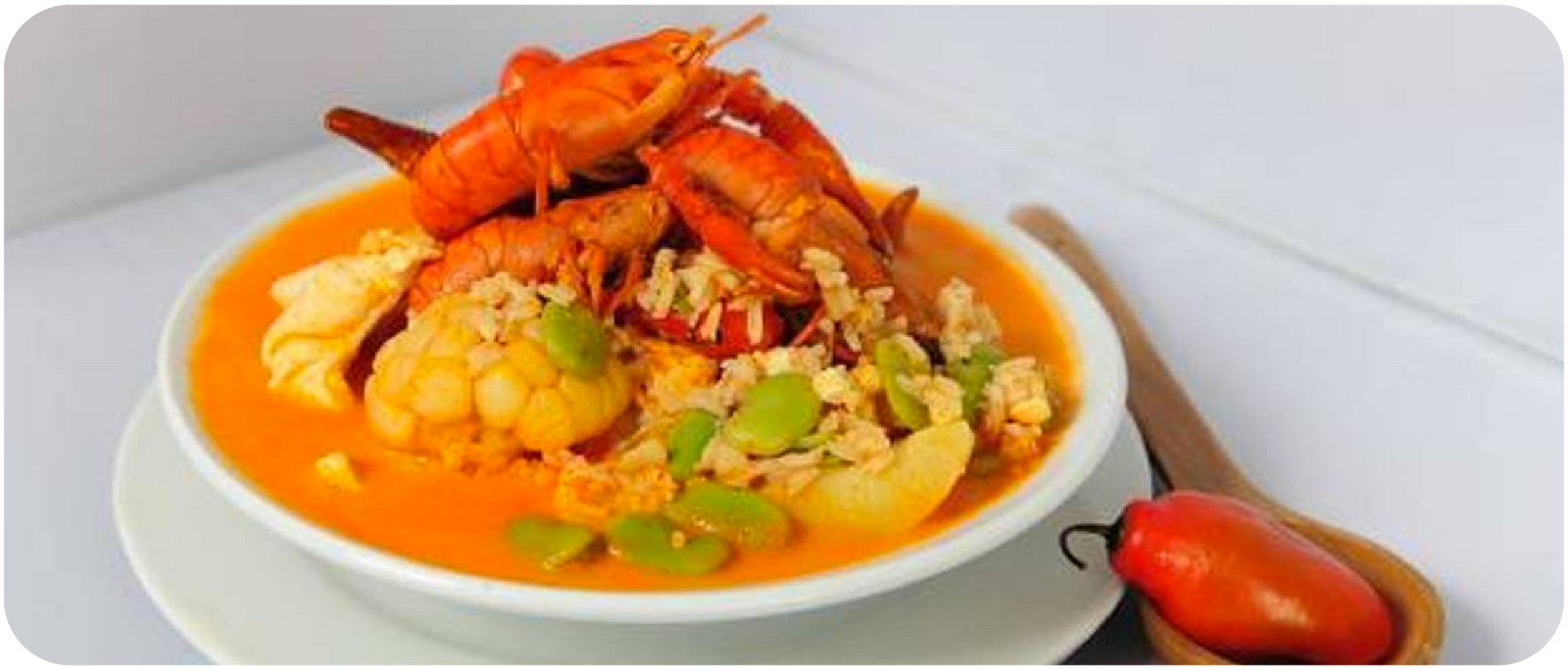
  • Peru Food Recipe: Chupe de Camarones – Shrimp Soup

    Peru Food Recipe: Chupe de Camarones – Shrimp Soup

    There’s nothing quite like a warm bowl of soup on a chilly day, and if you’re looking for a healthy and hearty dish, you can’t go wrong with a classic Chupe de Camarones soup. This traditional Peruvian dish is flavorful, featuring shrimp, potatoes, corn, and other veggies and spices. But making a delicious Chupe de Camarones soup at home can be intimidating, especially if you need to familiarize yourself with the recipe or the ingredients.

    That’s why I’m here to guide you through the process, step by step. In this article, we’ll explore the history of Chupe de Camarones, discuss the benefits of making it at home, and provide you with an easy-to-follow recipe to impress your friends and family. So grab your apron, and let’s get cooking!

    The Peruvian food and gastronomy is well known for the delicious recipes with seafood, the Peruvian Chupe de Camarones (Shrimp Soup) is a clear example of this.  This delicious soup is perfect for a big meal on weekends, with all your friends and family because the best way to eat it is with a good company.

    Peruvian dishes usually use different kind of peppers for achieving the distinctive taste, you might try them without the authentic spices and peppers, but we strongly recommend using the true Peruvian ingredients for the chupe de camarones.

    As a final advice, we recommend cleaning well all the shrimps you will use, don´t leave them with the head shell since the shrimp has part of the intestines there. Also, you may add the vegetables you prefer to the soup. Try out this recipe, it will bring the Peru food right to your dining table. 

    Ingredients (6 portions)

    • 35 oz. of shrimps
    • 17 oz. potatoes (Yellow potatoes are better for this recipe)
    • 1 cup of lentejon (Lentils)
    • ¼ cup of rice
    • 5 fl oz. of evaporated milk
    • 1 red onion
    • 1 tablespoon of aji panca paste
    • 1 tablespoon garlic paste
    • 2 tablespoon of oil
    • 1 egg per serving (In this case we are considering 6 portion)
    • 5 oz. of fresh cheese
    • 1 tablespoon of ground oregano
    • Salt and pepper to taste 

    Preparation

    1. Clean the shrimps and keep apart. Also, on another bowl, keep the “coral” which is the orange liquid that comes out of the shrimps head when you squeeze them gently. Add a bit of water to the coral and strain them, so there are no shrimp shells left.
    2. Cut the red onion into small cubes and keep it apart. Peel the potatoes and cut them into medium cubes, keep them apart on another bowl.
    3. On a pot, warm some oil with high heat and fry the onion, the garlic paste, the aji panca, salt and pepper.
    4. Once the onion seems transparent, add the “corals” from the shrimps previously cleaned. Stir a bit.
    5. Add 2 liters of water to the pot preparation. Mix well all the ingredients and keep the high heat.
    6. When the water starts boiling, add the rice and the lentejon. Stir well the ingredients and keep the high heat.
    7. After a few minutes, when the lentejon are a bit soft (Half cooked) add the potatoes. Let them boil together for a couple of minutes and check them from time to time.
    8. When the potatoes are soft, add the already cleaned shrimps to the preparation and low the heat.
    9. Wait 2 minutes and then add some fresh cheese chopped in small cubes. Add the eggs scrambled and the ground oregano. Stir everything together.
    10. After 1 minute the cheese had melt and the eggs are cooked, add the evaporated milk and integrate all the ingredients together. It’s ready to serve and enjoy the Peruvian Chupe de Camarones.

    Nutritional Benefits of Chupe de Camarones Soup

    Chupe de Camarones is a nutritious and delicious soup packed with vitamins and minerals. Shrimp is an excellent source of protein, while potatoes and corn provide fiber and complex carbohydrates. The soup is also rich in vitamins A and C and iron, calcium, and other essential nutrients. 

    One of the best things about making Chupe de Camarones soup at home is that you can control the ingredients and adjust the recipe to suit your health goals. For example, you can use low-sodium broth or reduce the amount of salt in the recipe to make it more heart-healthy. You can also add more veggies, like bell peppers or spinach, to boost the nutritional content of the soup.

    Chupe de Camarones soup is also an excellent option for it losing or maintaining a healthy weight. The soup is low in calories and fat but still filling and satisfying. It’s a great way to get a healthy dose of protein and veggies in a single meal.

    Serving Suggestions and Accompaniments for Chupe de Camarones Soup.

    Chupe de Camarones soup is delicious on its own, but it’s even better when served with some tasty accompaniments. Here are some ideas:

    – Crusty bread or crackers: Serve the soup with some crusty bread or crackers to soak up the broth.

    – Avocado or guacamole: Top the soup with some creamy avocado or guacamole for a delicious addition.

    – Ceviche: Serve the soup as a starter to a Peruvian-style meal, with a side of ceviche.

    – Salad: Serve the soup with a simple green salad for a complete meal.

    Frequently Asked Questions About Chupe de Camarones Soup.

    Q: Can I use frozen shrimp for this recipe?

    A: Yes, you can use frozen shrimp, just be sure to thaw them before cooking.

    Q: Can I make this soup in advance?

    A: Yes, you can make the soup in advance and reheat it before serving. The flavors will actually develop more over time.

    Q: Can I use a different type of cheese?

    A: Yes, you can use any crumbly cheese, like queso blanco or goat cheese, instead of queso fresco or feta.

  • What makes ají panca so special?

    What makes ají panca so special?

    The History of Ají Panca

    Ají panca is a Venezuelan dish made of shredded raw beef cooked on a grill or in the oven. The meat is then mixed with onions, garlic, and chili powder and served with rice and salsa. Ají panca has a unique flavor that is not found in other dishes.

    Some people believe that the sauce was created by a chef in Venezuela who was cooking for Fidel Castro. The sauce is said to have been a favorite of Castro’s because it had a strong chili flavor. Ají panca became very popular in Venezuela after it was featured on the television show “Chef’s Table.”

    What is Ají Panca?

    Ají panca (also spelled aji panca) is a type of peyote native to the Andes region in South America. It is a small, fat, green pod that can be eaten fresh or dried and has a nutty flavor. Ají panca is an ingredient in traditional South American dishes like Ecuadorian tamales and Venezuelan arepas.

    There are flavours you only have to try once to fall in love with them. Some people deeply enjoy sweets and desserts, others have strong salty cravings and some other like to go from place to place trying all kinds of spicy dishes.

    For those who want to experience the most exotic types of chilli and pepper, there’s one that stands out from the crowd. We’re talking about the ají panca. 

    This strong, juicy and delicious pepper is the perfect companion for some of the most recognized Peruvian recipes, adding its flavour and texture to the mix. If you want to know where this mesmerising ingredient comes from and how to use it in the kitchen keep reading.

    Check out: Inca’s Food Yellow Hot Pepper

    Where does ají panca come from?

    Ají panca (also known as the Peruvian red pepper), is a special variety of chilli pepper called Capsicum Baccatum, but it’s also associated with the Capsicum Chinese kind. Ají panca is a pepper mainly grown in the coastal and warm areas of Peru, although it can be grown in any  humid and fertile ground at sea level, with warm temperatures and great sun exposure.

    Even though it’s quite simple to grow ají panca in many places, this is a pepper most known around Peru as it is the key ingredient for many Peruvian recipes. Maybe the peppers are not usually grown outside Peru, but nowadays it’s quite simple to get ají panca in its most popular presentations. 

    Characteristics of this ají

    The ají panca has some very peculiar characteristics that make them taste the way they do. This kind of pepper measures 3 to 5 inches long (including the stem) by 1 to 1 ½ inches at their widest point. They are a green orange-ish color but when they are ripe they turn a deep red or brownish color.

    Like other big peppers, the ají panca has thick flesh and plenty of seeds inside. This chili actually looks a lot like some other peppers from the same family, like the pasilla peppers (also known as the chilaca before being dried out), ancho pepper, (known as poblano before dry) or even the chipotle pepper. 

    Check out: Inca’s Food Rocoto Hot Pepper

    Flavour of ají panca

    Ají panca is ranking at 1,000-1,500 in the Scoville scale of spiciness, which means that this pepper has a relatively mild spice.

    Despite its name, ají panca is much less strong and spicy than all the other kinds of ajíes, like the ají amarillo or the Peruvian ajíes. In fact, ají panca actually has a sweet tinge similar that reminds us of berries, and it contains smoky undertones which make it ideal to cook with beef and other types of meat.

    Ají panca is the perfect pepper to dry out and grind to use in its powder form. Making a panca paste might be lots of work, thankfully you can find ají panca powder or paste.  

    Most popular dishes made with ají panca 

    Ají panca takes part in one of the most popular Peruvian dishes known worldwide, the anticuchos. Anticuchos are beef or chicken pieces, marinated with garlic, vinegar, pepper, ají panca, achiote and salt; all placed on wooden sticks to grill. Anticuchos are the most sold street food around Peru. If you want to learn the full recipe for anticuchos click here. 

    And even though ají panca has a very mild spice, it is said that removing the seeds and veins reduces the spice even more; leaving only a smoky and berry-like taste. This makes this pepper perfect for dishes such as chupes, adobo, escabeches, carapulcra, pachamanca, parihuela and chanfainita. 

    This might not be the spiciest pepper in the world, but if there’s one thing we know for sure is that ají panca will make any recipe taste ten times better. Whether you boil it, seed it and chop it, mince it to make it a paste or dry it out to make it a strong powder, this kind of ají has the ability to turn any ordinary meal into a real gastronomic experience. 

    It’s no secret why Peruvians love to make dishes with ají panca, so if you want to give it a try to check out our recipes, get a bag of ají panca paste and put your cooking skills to test. We assure you it will be the best meal of your life! 

    Check out: Inca’s Food Yellow Hot Pepper

    Health Benefits of Ají Panca

    Ají panca is a type of hot pepper that is native to the Amazon rainforest. It is one of the most popular peppers in the world and has many health benefits.

    1. Ají panca is a hot pepper with high antioxidant activity. Researchers found that aji panca extract has higher antioxidant activity than red and black pepper. This means that aji panca can help protect against damage to cells caused by free radicals.

    2. Ají panca is also high in anti-inflammatory properties. In studies, aji panca was shown to have anti-inflammatory effects comparable to those of ibuprofen. As a result, it can help reduce pain and inflammation associated with various medical conditions, such as arthritis and migraines.

    3. Ají panca can help improve blood circulation. In studies, aji panca was found to increase blood flow and improve circulation throughout the body. This benefit may be beneficial for people who have difficulty getting the blood flowing to their extremities due to low blood pressure or diabetes.

    4. Ají panca can help reduce cholesterol levels. In studies, aji panca was shown to lower cholesterol levels by

    Taste and Precautions With Eating Ají Panca

    What makes ají panca so unique?

    Ají pepper is a unique type of chili pepper that is native to Peru. The name ají comes from the Quechua word for “hot pepper.” Ají peppers are long, thin, and have a mild flavor. They are often ground into a paste and used in sauces and stews. Ají panca is the most common type of ají pepper and contains the most heat.

    Ají panca can cause extreme heat relief, which is why it’s often used as an ingredient in hot sauce. However, people with limited heat tolerance should avoid eating ají panca because it can be extremely spicy. Some other precautions to take when eating ají panca include:

    • Being aware of your body’s tolerance level.
    • Avoiding dehydration.
    • Resting if you experience any adverse effects.

    Check out: We Drink Mango Chia Drink

    Where to Find Ají Panca in the U.S.?

    Ají panca is a type of sauce made from aji amarillo peppers. It is a popular condiment in Latin America. It can be found in many restaurants across the U.S. Ají panca is used to add flavor to foods such as tacos, burritos, and quesadillas.

    Ají panca (aji sauce or aji pepper sauce) is a hot sauce made from peppers, vinegar, and spices. Ají panca can be found in most Latino and Asian markets and some mainstream supermarkets.

    The key ingredients in ají panca are the aji peppers, typically a type of chili pepper from Peru or Bolivia. The other main ingredient is vinegar, which gives the sauce its sour, acidic flavor. Other spices may include cumin, garlic, salt, and sugar.

    Ají panca can be used as a condiment or dip for various foods. It is commonly used in Peruvian cuisine but can also be found in Mexican and Chinese cuisine.

    How to Cook Ají Panca

    Ají panca (or aji panca sauce) is a popular condiment in Peru and Bolivia. It is made from aji Amarillo peppers, garlic, salt, and vinegar. Ají panca can be served in nearly any dish but is especially complementary to potatoes and meats.

    Tips for Making Ají Panca Perfectly

    Many things make ají panca so unique, but one of the most important factors is the quality of the sauce. It is essential to use fresh ají peppers and never cook them with canned ingredients. The pepper also needs to be chopped very finely to create a flavorful mixture that can be used as a dipping sauce or as a main dish.

    In addition, it is essential to simmer the pancake over low heat so that the flavors meld and the pancake turns crispy on the outside. Finally, always serve ají panca with fresh cilantro, sour cream, and diced tomatoes for a perfect taste experience.

    Check out: Inca’s Food Canned Yellow Hot Pepper

    Ají Panca as a Meal or Side Dish

    In Peru, ají panca is considered a meal or side dish. The dish is made of fried Ají peppers served with rice and various toppings such as chicken, fish, or even plantains. Ají panca can also be found in some Peruvian restaurants abroad.

    Conclusion

    Ají panca is a unique chili pepper most commonly found in the coastal areas of Peru and Chile. This pepper has a fruity, spicy flavor that makes it an excellent addition to any dish.

    Ají panca is also high in antioxidants, making it beneficial for your health. So, if you want a flavorful and nutritious chili pepper to add to your menu, ají panca should be at the top of your list. Thanks for reading!

    Get your Best Dream Jobs now! Visit Easy Recrute 

  • Huacatay Sauce: Creamy and Spicy, A Popular Sauce in Peru

    Huacatay Sauce: Creamy and Spicy, A Popular Sauce in Peru

    Huacatay sauce is a creamy and spicy sauce that can be enjoyed on fried yuca, potatoes or Peruvian corn. This popular dish originated in Peru and the huacatay plant is one of the most common herbs found there.

    The huacatay plant has been used for centuries as both a cooking ingredient and medicine, but it wasn’t until recently that huacatay sauce became so well known around the world.

    It’s difficult to find this delicious food outside of Peru, but today we’re going to show you how to make huacatay sauce at home!

    Read More About: What you should know about Huacatay

    Huacatay is a great choice for those who like their food with that perfect spiciness level!

    You can find it at any traditional market in Peru but if you want to taste the original one you need to visit us here in Cusco so we can prepare it together at our Cooking Class!

    Don’t miss out on this delicious creamy sauce because there’s no other recipe similar than ours around the world! We guarantee 100% authenticity and fresh ingredients everyday just for you!

    Check out:  INCA’S FOOD HUACATAY

    Huacatay sauce may be a new thing for many people, but in Peru , Huacatay is one of the most popular sauces there.

    It is originated from the Huallaga District of central Peru  and is made using the leaves of an herb called Huacatay which are very aromatic and are found mostly in mountainous areas.

    It has been used by indigenous Peruvians since ancient times when their healers, the “curanderos” (healers), used Huacatay as a way to cure infections and various other diseases. Some even believed Huacatay could cure cancer.

    Huacatay is packed with many nutrients that help combat bone problems, stomach issues, arthritis and helps with inflammation which is great for athletes who need something to reduce pain and discomfort after games or training sessions.

    Besides Huacatay Sauce, La Flor de la Canela also offers Huacatay Paste which can be used in different dishes or alone.

    Huacatay Paste is usually eaten with fish , meats, rice dishes, salads and so much more.

    Read More about: Best Halloween Products

    Huacatayan sauce is one of the most popular sauces in Peru . It’s little known outside the country (except for those who like to read articles like this one ) and it’s not as famous as Aji de Gallina  or Lomo Saltado , but those who have tasted it, they know it deserves more attention.

    Although huacatay is one of the most consumed sauces in Peru , it’s still only known inside the country. Why? First, because not everyone has tried Peruvian food .

    Second, it’s difficult to find huacatay sauce outside Peru . And third, perhaps its name sounds weird or hard to remember or even scary for English speakers. But don’t worry.


    Huacatay Sauce


    Nutritional value or benefits of Huacatay: 

    Huacatay, known in English as “black mint,” is the most important herb in Peruvian cuisine. Huacatay’s taste can be bittersweet, with lingering aftertastes of cloves and oregano.

    Huacatay has beneficial properties such as anti-spasmodic, bactericide, antiviral (because of its thiophene content), carminative, fungicide, and some more. Huacatay is the perfect choice for those who rely heavily on herbal medicines to treat ailments.

    The most popular Peruvian recipes with Huacatay: 

    Huacatay has become an essential ingredient in Peru’s economic and cultural food patrimony. Huacatay enhances the flavor of many foods, including potatoes, chicken, fish, beef, or pork dishes. Huacatay’s unique taste is unmistakable!

    Check out: INCA’S FOOD CANNED YELLOW HOT PEPPER

    Here are some mouthwatering Huacatay recipes for you: Huacatay Pesto:

    Ingredients: – Huacatay (60g) – Fresh Cheese (30g) – Olive Oil (2 tablespoons) – Ground Peanuts (1/3 cup) – Salt and Pepper to taste. Method: 1- Put all ingredients into a blender and blend until it becomes a creamy paste. Huacatay rice:

    Ingredients: – Huacatay (1 cup) – Rice (2 cups) – Salt and Pepper to taste.

    Method: 1– Put Huacatay in the water for 10 minutes with salt and pepper, then remove it from the water and drain all of it. 2- Heat a frying pan with a tablespoon of olive oil, then add the Huacatay and fry it for 5 minutes.

    3- Now, bring water to a boil in a saucepan and add salt. 4- Once the water is boiling, pour the rice and stir thoroughly. 5- When the rice starts to boil again, reduce the temperature to low. 6- Cover the saucepan with a lid and cook for 20 minutes.

    Check out: https://amazonoman.net/

    Health benefits of Peruvian Huacatay: 

    Huacatay is a very popular medicinal plant in the Peruvian Amazon region. Huacatay leaves have been used by the people living in the Amazon Region for generations to cure stomach aches, flatulence, and diarrhea.

    Huacatay has also been traditionally used as a carminative, bactericide, antiviral (due to its thiophene content), fungicide, and more.

    In Peru, Huacatay is included in many dishes such as Huancaina Potatoes, Tacacho etc. Huacatay can be found worldwide in online stores or at Peruvian grocery shops. It´s a good idea to add Huacatay to your next grocery shopping list and give Huacatay a chance to be included in your daily dishes.

    Given the high nutritional value of Huacatay, this plant should not miss from our garden or kitchen! Huacatay has many benefits for our health, and it tastes great too! Therefore, Huacatay is an excellent choice for relying heavily on herbal medicines to treat ailments. Huacatay is rich in calcium, folic acid, vitamin A, B1(thiamine), B2 (riboflavin), vitamin C, E, and other minerals.

    It also contains essential oils whose quality depends on its country of origin. For example, Huacatay grown in the Amazon region tend to have more beneficial properties due to its natural environment.

    Huacatay leaves are rich in flavonoids with anti-inflammatory, nutritious, and rejuvenating properties. Huacatay has bactericide, fungicide, analgesic and anti-spasmodic properties 

    How to use Huacatay:

    Huacatay can be used fresh or dried. There is no particular method for drying Huacataya leaves. You pick the driest ones and let them dry in the shade without putting too much direct sunlight on them because this would destroy their nutrients. Once dried, you can chop Huacataya up to obtain your desired consistency.

  • Recipe: Locro de Zapallo

    Recipe: Locro de Zapallo

    From all the wonders Peruvian cuisine has to offer, it seems like most of them are packed with beef, chicken, lamb or other sort of meat.

    Whether because you’re a vegetarian or you simply enjoy lighter dishes once in a while; you’re probably here looking for a Peruvian recipe that is packed with vegetables to feed your soul and belly. 

    Luckily for you, Peruvian food is as abundant in meat based meals as it is in dishes cooked entirely with vegetables. A very popular plant- based recipe is Locro de Zapallo. A stew ready to make you feel at home the moment it touches your mouth and that will charm your family. 

    The word zapallo might sound very exotic and confuse you, but there’s really nothing weird about it. Zapallo is a vegetable from Central America also known as ahuyama, calabacín or, in simpler words, pumpkin.

    Zapallo has numerous nutrients such as fiber, potassium and vitamin E, C and B; giving us great benefits such as antioxidant and anti-inflammatory properties. 

    Check out: DOÑA ISABEL BOTIJA BLACK OLIVES 20 OZ.

    First off… What is Locro de Zapallo? 

    Originally called “rocro” in Quechua tongue, Locro de Zapallo is a delicious stew with potatoes, ají amarillo, corn, fresh cheese, and other ingredients including, of course, zapallo.

    It is a dish perfect for vegetarians because of its flavour, texture and abundant nutrients; it was said that in pre columbian times people used to have Locro de Zapallo for dinner and head straight to dinner because of how light it is. 

    Locro de Zapallo is considered a crossbreed meal. It’s the perfect combination of native ingredients such as zapallo, potatoes and ají amarillo; and european ingredients such as onions, cheese and milk.

    If you enjoy the sweet taste of fruits such as pumpkin, Locro de Zapallo is the meal for you. 

    Locro de Zapallo is considered a Peruvian entree, it takes 15 minutes to prepare and a cooking time of 45 minutes; resulting in a total of 1 hour for a meal that serves four portions. Keep reading to learn the full recipe. 

    Ingredients for Locro de Zapallo:

    • 2 tablespoons of vegetable oil
    • 1 medium onion, chopped finely
    • 3 garlic cloves, chopped into small pieces
    • 2 tablespoons of ají amarillo paste, you can get it here
    • 1 kg. chopped zapallo (you can also scrape it from the peel and get a squash presentation)
    • 2 white potatoes, peeled and chopped
    • 1 cup of yellow or white corn, grained 
    • 2 cups of vegetable broth
    • Salt and pepper to taste
    • ½ cup of peas
    • ½ cup evaporated milk
    • 1 cup fresh cheese diced 
    • 1 tablespoon of huacatay paste, you can get it here  
    • White rice, cooked

    Check out: NOUGAT SAN JOSE – TURRON 500 GR.

    Preparation:

    • Heat the vegetable oil at medium fire in a pan and fry the onion and garlic until they’re both tender. Ad the ají amarillo paste and cook for 4 more minutes. 
    • Add the zapallo, potatoes, corn, vegetable broth, salt and pepper. 

    If the peas that you’re going to use are ripe add them alongside the rest of the ingredients, if they’re softer add them right before you finish so that they don’t mash. 

    • Set the fire on low, cover the pan partially and let the mix cook, stirring occasionally until all the ingredients are soft enough and the zapallo disintegrates.
    • Turn off the fire, add the evaporated milk and fresh cheese, stir well to heat everything up. Add herbs and serve immediately with the white rice. 

    The best thing about Locro de Zapallo is that, even though it’s a very light meal because it’s mainly vegetables; but if you feel there’s something missing you can easily mix it up and take it to another level by adding beef, lamb or chicken.

    You can even make a gourmet version of Locro de Zapallo by lightly cooking small shrimps and adding them to the mix.

    So there you have it! Another amazing recipe that requires very little ingredients and has a preparation so simple an amateur can cook it.

    And don’t get fooled by it’s strange appearance, Locro de Zapallo can be the main dish of a fancy dinner if you work on its presentation, or it can be a side dish of a juicy steak of chicken. 

    Read More: How to Make Perfect Yogurt Ice Cream